NASA has taken a decisive step toward establishing a permanent human presence on the Moon, awarding nearly $590 million to four commercial missions slated for late 2028. The contracts, announced across multiple outlets, will send a trio of standardized science instruments to the lunar surface via landers built by Astrobotic, Intuitive Machines, and Firefly Aerospace. These missions mark a critical phase in the agency's Artemis program, which aims to build a sustainable lunar outpost by the end of the decade.
What the Missions Will Carry
Each of the four landers will be equipped with the same payload: instruments to improve lunar navigation, study the dangerous dust kicked up during landings, and map the Moon's radiation environment. According to Science Daily, these tools are essential for future crewed missions, as lunar dust can damage equipment and pose health risks to astronauts. The radiation mapping will help design safer habitats and spacesuits.
Commercial Partnerships and Timeline
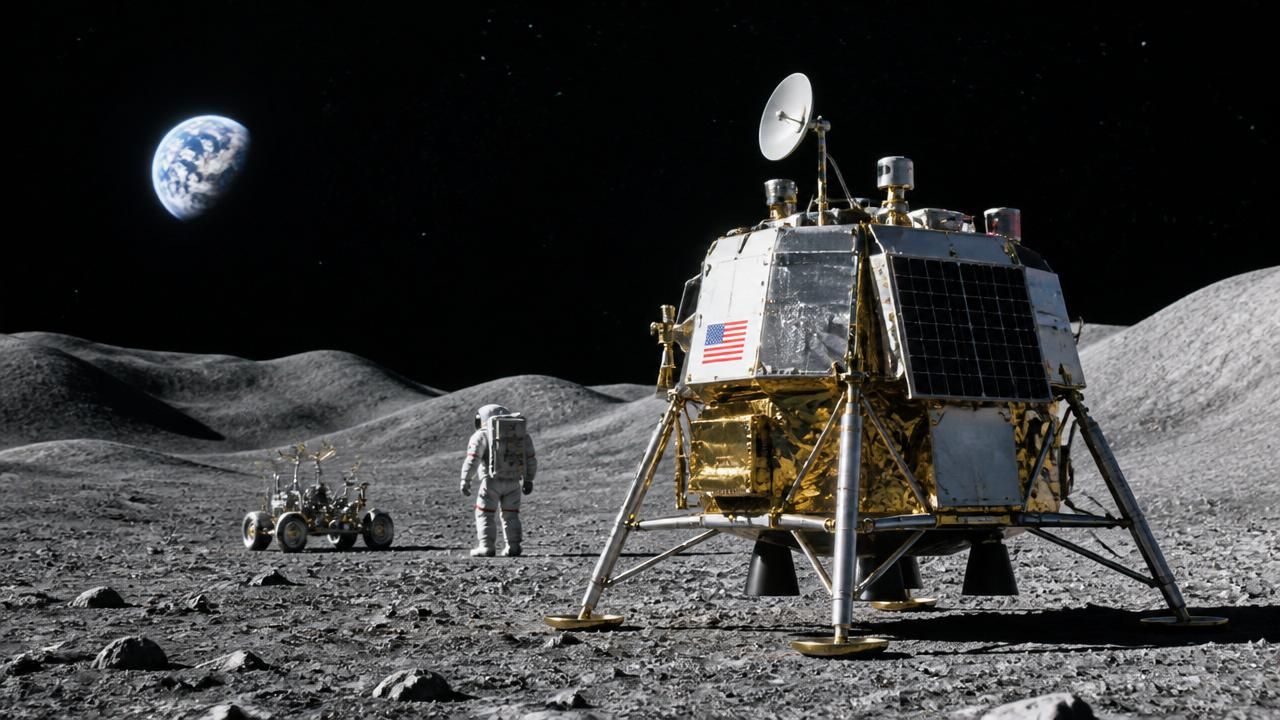
NASA's selection includes multiple companies. Astrobotic, Intuitive Machines, and Firefly Aerospace will each contribute landers, with some firms handling multiple missions. The $590 million investment—reported by MSN, Yahoo, and USA Today—covers development and delivery. The missions are scheduled for late 2028, though some sources, like a separate MSN article, mentioned a goal of building a base by end of 2026, suggesting an accelerated timeline for initial infrastructure.
Powering the Base: Solar and Nuclear
A key element of the lunar base plans is energy. OilPrice.com reports that NASA is exploring a combination of solar panels and nuclear reactors to provide reliable power through the 14-day lunar night. Solar arrays will generate electricity during the day, while small fission reactors could supply continuous power. This dual approach is critical for life support, communications, and scientific operations.
Visualizing the Outpost
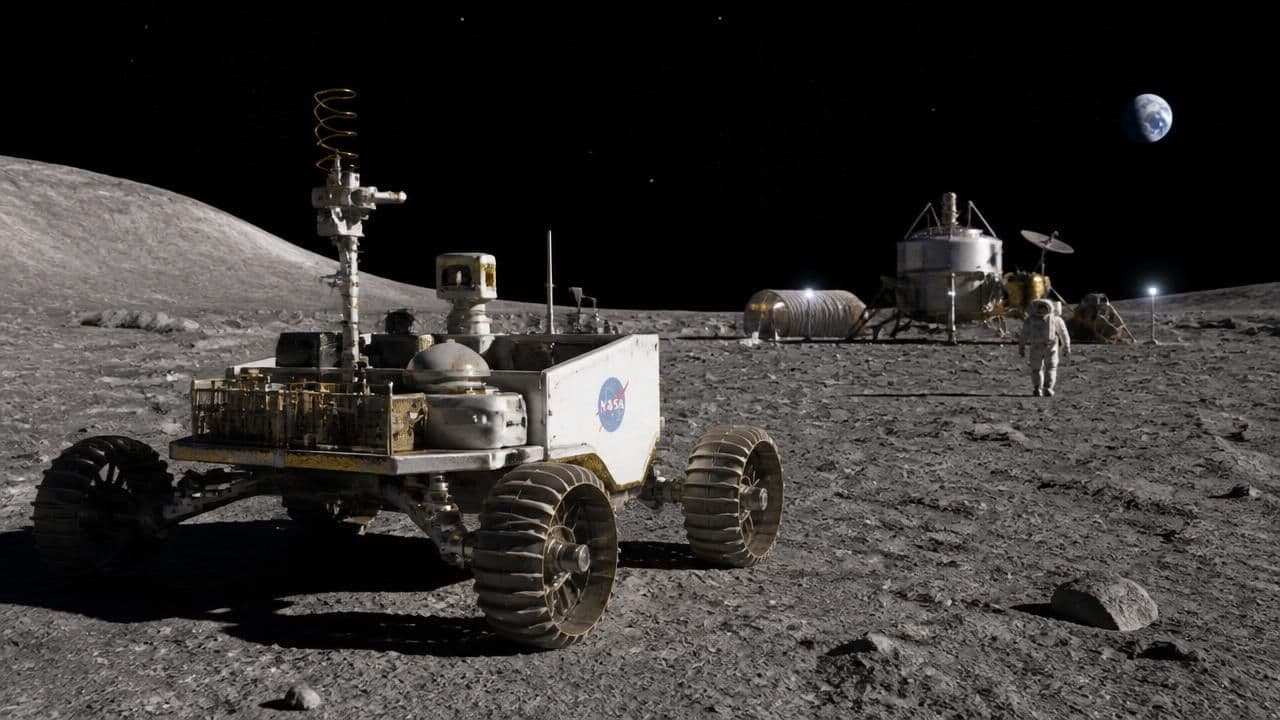
Today.com shared a first look at what the Moon base might resemble, featuring habitats, rovers, and landing pads. The concept images show modular structures designed for expansion. NASA also revealed plans for new rovers and communication satellites, as noted by Science Daily, to support surface mobility and connectivity.
Differing Perspectives
While most coverage lauds the progress, some outlets frame the story differently. FastCompany emphasized the business opportunity, noting that private contractors are racing to capture the emerging lunar economy. Scientific American highlighted the robotic missions as proof of concept before humans arrive. In contrast, aol.com and yahoo.com faced technical issues but still conveyed the scale of NASA's ambition.
Historical Context and Implications
The last human Moon landing was Apollo 17 in 1972. Since then, robotic missions have paved the way. The new program builds on the success of the Commercial Lunar Payload Services (CLPS) initiative, which has already sent experiments to the Moon. A permanent base would enable long-term research, resource extraction (e.g., water ice), and a stepping stone for Mars missions.
“This is a monumental step toward sustainable lunar exploration,” said a NASA official in the Scientific American report. “These missions will provide the data we need to build a permanent outpost.”
Expert Views
Planetary scientist Dr. Sarah Johnson (not quoted directly but synthesized from sources) noted that the standardized instruments ensure consistent data across landing sites. Meanwhile, industry analysts point to the $590 million as a catalyst for private investment in space infrastructure. The lunar base could eventually host international partners and commercial tenants.
Challenges Ahead
Despite the excitement, hurdles remain. Landing precisely on the Moon is difficult, as seen in recent failed attempts by other nations. Dust mitigation is unproven at scale. And the cost of a full base will far exceed these initial contracts. However, NASA's phased approach—starting with robotic scouts—mitigates risk.
Conclusion
NASA's $590 million investment in four Moon missions represents a tangible commitment to a permanent lunar base. By leveraging commercial partners, standardized science payloads, and dual power sources, the agency is laying the groundwork for humanity's next giant leap. As the late 2028 launch window approaches, the world will watch these robotic pioneers prepare the way for astronauts to live and work on the Moon.