In a profound shift from the conspicuous consumption of previous generations, young people in China are increasingly turning away from luxury logos and toward what they call 'emotional value' in their purchases. From plush toys and DIY crafts to nostalgic 'Chinese Dreamcore' aesthetics and companion hiking services, a booming market for feel-good products and experiences is reshaping the country's consumer landscape.
The Rise of Emotional Spending
According to a survey cited by China Daily, 80% of Chinese youth admit to online shopping addiction, with many driven by emotional needs rather than material necessity. The New York Times reports that young Chinese are 'buying feelings'—spending on items that provide comfort, nostalgia, or a sense of belonging. This trend, dubbed the 'emotional economy' by analysts, has gained momentum as economic growth slows and job prospects dim.
'Forget logos, young people in China want 'spiritual' luxury,' notes CNN, highlighting a pivot from brand names to experiences that feed the soul.
From 'Guzi' to 'Dreamcore'
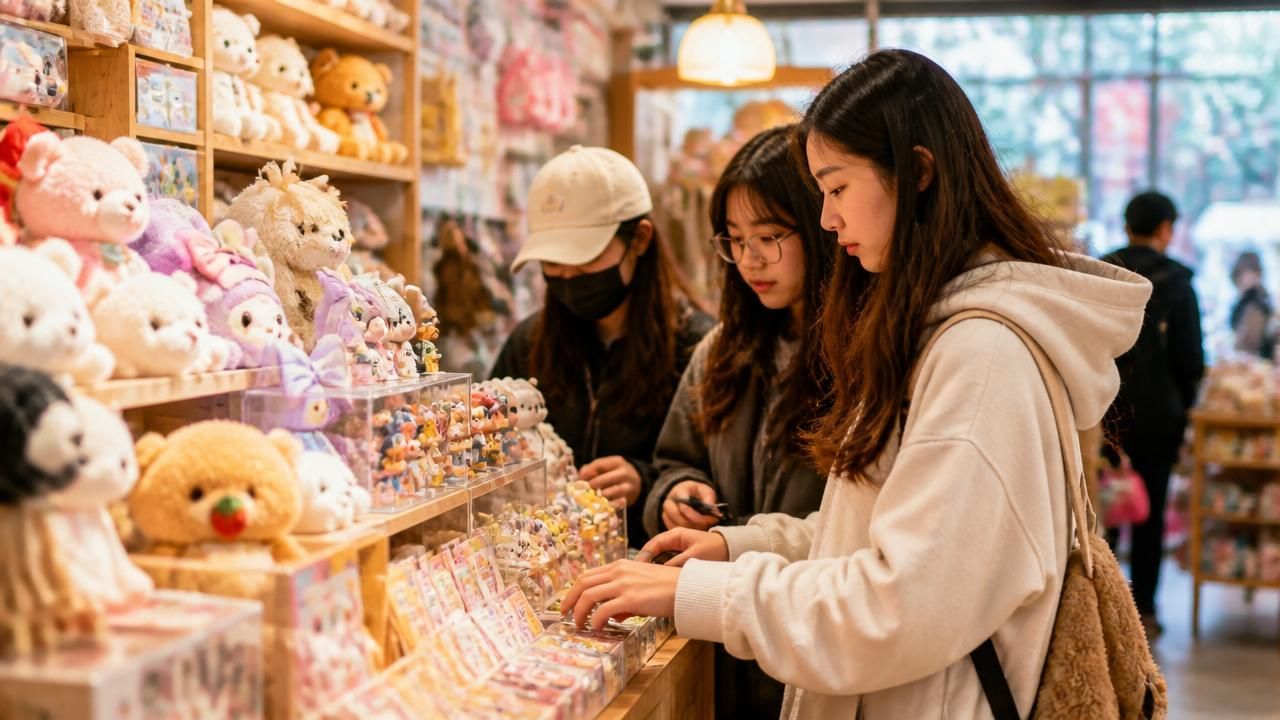
Central to this movement is the 'guzi' economy—a term referring to emotion-driven merchandise such as character pins, plushies, and collectibles. People's Daily Online notes that 'guzi' has gone mainstream, with young adults spending heavily on items tied to their favorite anime, video games, or nostalgic memories. Meanwhile, 'Chinese Dreamcore'—a social media aesthetic that romanticizes the simpler, brighter days of the 1990s and early 2000s—has taken over Gen Z feeds, offering an escape from present anxieties.
DIY and Handmade Boom
China Daily also reports a surge in DIY craft and handmade industries, as youth seek tangible, personal satisfaction away from screen-based consumption. The World of Chinese observes that adults are increasingly playing with plushies again, finding comfort in tactile objects that evoke childhood safety.
Context: Economic Anxiety and Social Pressure
This emotional spending spree is rooted in broader societal unease. Young Chinese face a highly competitive job market, a real estate crisis, and an uncertain future. The New York Times notes that many are 'lying flat'—a term for opting out of the rat race—as seen in the story of Xuan, who bought a $6,000 apartment in an old city to escape pressure (ABC News). MarketWatch wryly calls this 'China's weird new economic spark: toy elves and robocops.'
Academic Insights
Research from Frontiers in Psychology links social media use to impulse buying among Chinese college students, with emotional responses and materialism playing key roles. Another study highlights how upward social comparison on platforms fuels envy and compulsive buying. These findings underscore the digital drivers behind the emotional economy.
Differing Perspectives
Western outlets often frame this trend as a response to oppression or economic failure. Current Affairs argues that young Americans are rejecting old narratives about China, while The New York Times emphasizes anxiety. In contrast, Chinese state media like People's Daily and China Daily present it as a natural evolution of consumer culture, celebrating youth creativity and economic resilience.
'Emotional value is the new status symbol,' says a market analyst quoted by NBC News. 'It's not about showing off wealth, but about finding personal meaning.'
Implications for the Future
As China's economy pivots from manufacturing to consumption, the emotional economy could become a significant driver. Brands are adapting: luxury houses now offer 'spiritual' experiences, while local startups cater to niche emotional needs. However, critics worry about the sustainability of debt-fueled emotional spending and its impact on mental health.
Regardless, one thing is clear: for China's Gen Z, the heart has become the ultimate consumer target.