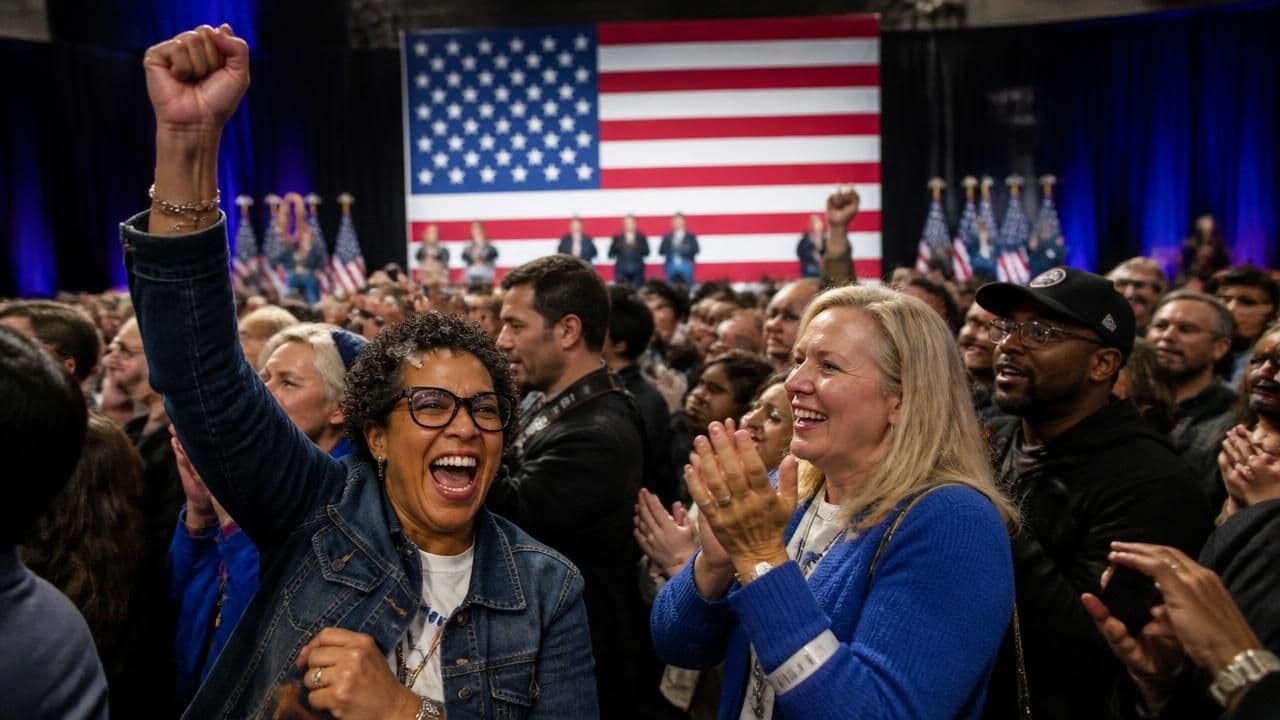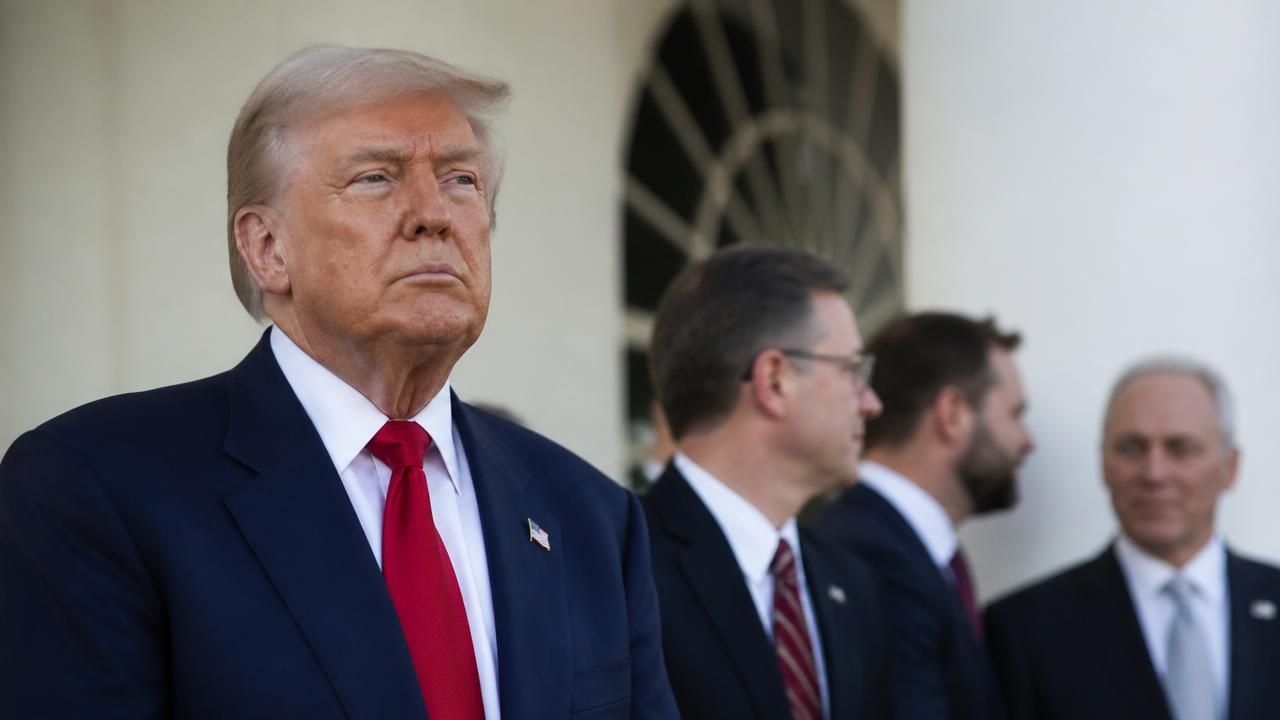
Republicans are sifting through the wreckage of a midterm election that handed Democrats both chambers of Congress, and the recriminations have begun almost as quickly as the counting. President Trump, according to reporting from The New York Times, has appeared publicly unmoved by the scale of the defeat, even as allies and advisers privately absorb the message voters delivered about some of his administration's most contentious policies.
The result amounts to a sharp reversal of fortune for a president who had spent the cycle tying dozens of candidates to his own record, and it instantly reshaped the balance of power in Washington. Democrats are now outlining their agenda for the new Congress, while Republicans confront a narrower and more hostile political landscape than at any point in Trump's second term.
A rebuke at the ballot box
The breadth of the Democratic sweep has become the central fact of the post-election conversation. Democratic victories in both the House and Senate give the party subpoena power, control of the legislative calendar and a platform to challenge the White House on domestic and foreign policy alike. The party's leaders moved swiftly to describe the outcome as a mandate, publicly sketching out priorities for the opening weeks of the new Congress.
The picture is not entirely uniform. The BBC's live coverage noted that at least one contest — a knife-edge vote in Alaska — remained unresolved even as the national trend became unmistakable. That gap between a national landslide and a handful of unsettled races has itself become a talking point, with partisans on both sides cherry-picking returns to argue the result was either a rout or something narrower.
Inside Trump's response
The most closely watched reaction, as ever, has been the president's. The New York Times reported on how Trump's public demeanor — one of studied indifference in the days after the losses — compares with what he has shared behind closed doors about voters' frustration with elements of his policy program. That contrast between the outward face and the private reckoning has defined the immediate aftermath, with the Times's White House correspondent Maggie Haberman detailing the gap.
Trump "appeared unmoved" in public after Republicans suffered "massive midterm election defeats," the Times reported, even as questions mounted privately about voters' frustration with some of his policies.
Other outlets cast the same behavior in harsher terms. Analysis pieces circulated describing a "midterm reckoning" in which either repudiation or vindication awaited the president, and the BBC's Anthony Zurcher argued that the "midterm carnage" weakens Trump even as he continues to wield considerable power for now — a framing that emphasizes diminished leverage rather than immediate paralysis.
The blame game begins
Finger-pointing inside the Republican coalition escalated within days. The Times reported that Trump and leading Republicans had begun assigning fault for the drubbing, a familiar pattern after wave elections but one made more acute here by the size of the losses.
Vice President JD Vance offered one of the most striking explanations, attributing the party's defeats in part to the Iran war. Trump responded publicly to Vance's remarks, and the exchange became a test of how far the administration is willing to acknowledge that an overseas conflict weighed on domestic races. The Associated Press reported on the president's reaction to Vance's assessment, drawing attention to a rare public airing of disagreement over the causes of the defeat.
Rank-and-file Republicans were blunter. Coverage of grassroots and party reactions described a "sweeping defeat" and, in the words of one radio program, a "midterm massacre" for the GOP — language that signals how quickly the post-mortem has turned from analysis into an internal fight over the party's direction.
The world weighs in
The election resonated well beyond the United States. Iran said Americans had effectively rejected Trump's war, a pointed interpretation from a government that has been on the receiving end of his pressure campaign. NBC News reported that Iranian officials cast the results as a verdict on military policy, a claim that carries obvious propaganda value but also reflects how adversaries intend to use the outcome.
Across the Middle East, the Associated Press reported, governments and commentators were recalibrating their assumptions about American foreign policy over the next two years. Other international reaction coverage tracked how allies and rivals alike were parsing whether a Democratic Congress can constrain the White House on sanctions, military aid and diplomacy.
In Britain, the BBC's Chris Mason framed the results as a turning point that "will change Trump," and — in a measure of how thoroughly the story has been absorbed into other countries' domestic politics — asked how British political figures would respond to the new reality in Washington.
Obama, Kimmel and the peanut gallery
Former President Barack Obama publicly reacted to the Democratic landslide, lending his voice to a party still searching for a coherent national message heading into the new session. Late-night television moved faster: Jimmy Kimmel mocked Trump's response to the Democrats' victory on "Kimmel Live!" while Rosie O'Donnell, a longtime Trump critic, marked the losses with a scathing public message.
Voters themselves offered a split screen. The BBC spoke with citizens who said Democrats "got their wish," capturing both satisfaction among the party's base and lingering skepticism about whether Washington will actually function differently.
Down-ballot arithmetic
Beneath the national headline, the granular results matter for 2028 and beyond. In Florida, attention turned to the fate of Trump's midterm endorsements — which candidates he backed who won, and which went down — a scorecard that will shape his influence over the party's next primary cycle.
Democrats, meanwhile, must convert a negative verdict on the president into a governing agenda. Their leaders have begun outlining aims for the new Congress, but the party inherits a polarized electorate and a White House still capable of unilateral action on foreign policy and regulation.
What comes next
History offers a caution against overreading wave elections. Midterms have repeatedly punished the incumbent president's party, only for the pendulum to swing back. Yet the scale of this defeat — control of both chambers, a foreign war invoked as a cause, and public second-guessing from the vice president — leaves the administration with less room to maneuver and a Republican coalition openly debating what it stands for. The next few weeks, as Alaska's results finalize and the new Congress organizes, will determine whether this becomes a reset or a rout the party cannot shake.