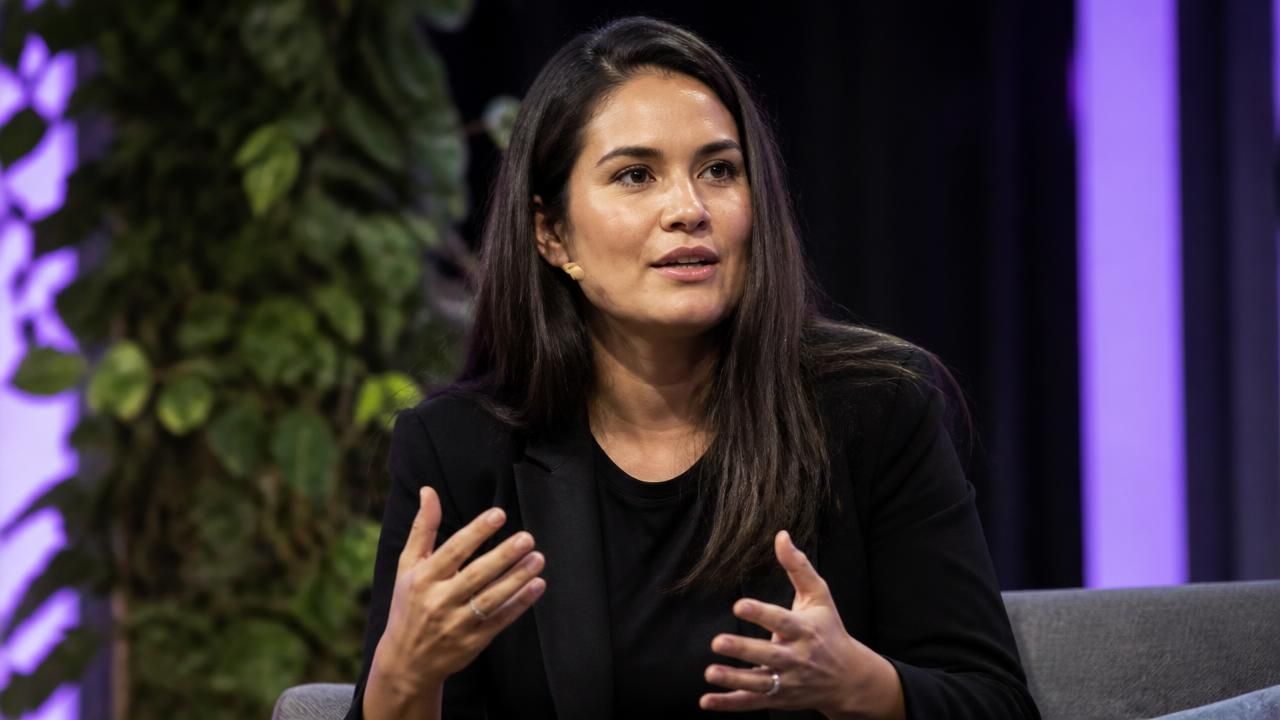
Canva is cutting 1,271 jobs, or 22 percent of its workforce, co-founder and CEO Melanie Perkins told staff, in one of the most significant contractions at a major design-software company in recent years. The Australian platform, which has spent more than a decade building a browser-based alternative to traditional design suites, framed the move as a structural reset rather than a routine cost-cutting exercise.
The Verge reported that Perkins announced the changes in a note to staff, saying the company had explored alternatives before concluding that incremental adjustments would not be enough. The note indicates the impact will not be uniform: some employees will see their roles change or be asked to relocate to centralised hubs, while others will leave the company entirely.
“For some people, this will mean changes to their roles or being asked to relocate to centralised hubs,” Perkins wrote. “Sadly, it will also mean saying goodbye to teammates and friends who have helped build Canva into what it is today.”
Perkins described the decision in stark terms. MSN's coverage highlighted her framing of the layoffs as the “hardest moment in our 13-year history,” a phrase that captures how even fast-growing software companies are being forced to reassess staffing and organizational structure. In the note, she said small changes would not suffice.
“After exploring a wide range of alternatives, I’ve come to the difficult conclusion that small changes won’t be enough,” she wrote. “To set ourselves up for the next decade, we need to refound Canva, getting back to our roots of small…”
A reset, not just a layoff
The language of “refounding” is significant. Canva is not presenting the cuts as a short-term response to a single bad quarter, nor as a blunt retreat from its product ambitions. Instead, Perkins frames the changes as a way to rebuild the company for its next phase, with centralized hubs and adjusted roles intended to make the organization more focused. That rationale echoes a broader pattern in the technology industry, where executives increasingly package layoffs as strategic reorganizations rather than mere cost reductions.
For employees, the practical effect is twofold. Some will lose their jobs outright, while others will be asked to change roles or relocate. Relocation demands can be especially disruptive, affecting not only careers but families, housing, and visa arrangements. The sources reviewed did not include a full breakdown of severance terms, regional impact, or which teams will be most affected, leaving many details unclear beyond the headline numbers.
Why AI is the subtext
The most pointed framing came from an MSN analysis whose headline asked why a design giant was cutting 22 percent of staff “without once naming AI.” The observation is not proof that AI caused the cuts. Canva's official note, as reported, emphasizes organizational design, centralized hubs, and the need to refound the company. But the absence of AI from the stated rationale is notable because generative AI is rapidly reshaping design software, from image generation and copywriting to template creation and editing assistance.
Canva has itself marketed AI-powered features, and competitors such as Adobe have pushed generative AI deeper into creative tools. In that context, observers are debating whether AI is an unspoken efficiency driver behind white-collar layoffs or simply the backdrop against which a broader reset is taking place. The distinction matters: if AI is a direct cause, the cuts may signal a longer-term shift in how design work is done. If it is not, Canva's changes may say more about organizational bloat, growth expectations, and the maturing of a once-explosive startup.
How coverage framed the story
- The Verge focused on the operational details: the number of affected staff, Perkins's note, role changes, relocation to centralized hubs, and the “refound” language.
- MSN's headline coverage emphasized the emotional and historical weight of the decision, framing it as the hardest moment in Canva's 13-year history.
- A second MSN analysis seized on what was not said, asking why a design company would announce such a large cut without naming AI.
- Webtech360 treated the news as a “what we know” explainer, reflecting how quickly the basic facts became the anchor of coverage: 1,271 people, 22 percent of staff, and a CEO-confirmed restructuring.
What it means
For Canva, the immediate challenge is execution. A 22 percent reduction is large enough to reshape the company's culture and internal dynamics. Canva must preserve momentum in its core design platform while managing morale among remaining staff and supporting departing employees. The decision also tests Perkins's argument that shrinking the company can make it more focused and better positioned for the next decade.
For the wider tech industry, the layoffs add to a familiar narrative of recalibration after years of rapid hiring. But Canva's case is distinctive because of how explicitly the company avoids naming AI while making a cut that many observers will view through an AI lens. Whether the “refound” effort is remembered as a disciplined reset or a missed opportunity to address AI's role directly will depend on what Canva discloses next and how the company performs in the months ahead.