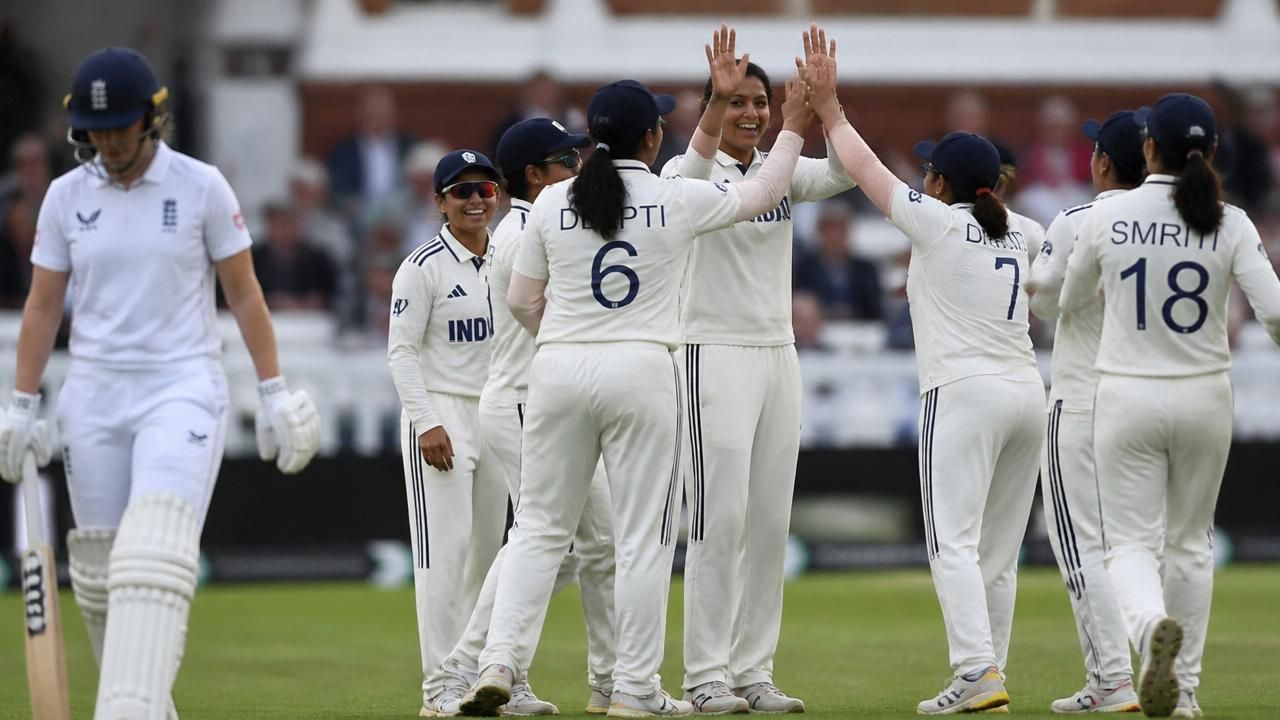
In a historic first women's Test match at Lord's, India outplayed England by 270 runs, securing a crushing victory that showcased their dominance. However, the match's significance was overshadowed by scheduling conflicts and the announcement of Brendon McCullum's sacking as England men's Test coach, prompting questions about the relevance of women's Test cricket.
A Landmark Match at Lord's
The Test, held from June 14-17, 2025, was the first women's Test ever played at the iconic Lord's Cricket Ground. India's emphatic win was built on strong batting performances and disciplined bowling, with the team outclassing England in all departments. Despite the historic setting, the match struggled to capture the public's attention, partly due to its timing and the concurrent news cycle dominated by McCullum's departure.
Struggling for Relevance
BBC Sport reported that the scheduling of the game and the announcement of Brendon McCullum's sacking left the historic Lord's Test struggling for relevance. The match was played during a busy cricket calendar, and with limited media coverage, it failed to generate the buzz expected for such a milestone. Critics argue that women's Test cricket remains a niche format, with few matches scheduled and little promotion compared to men's Tests or women's limited-overs cricket.
"Is women's Test cricket struggling for relevance after historic Lord's match?" – BBC Sport
This question echoes across multiple sources, as the match's significance was dampened by external factors. The lack of consistent scheduling and investment in women's Tests has led to debates about the format's future.
India's Dominance and England's Struggles
India's victory was comprehensive, with the team scoring heavily in both innings and bowling England out for low totals. The win highlighted the growing strength of Indian women's cricket, which has seen increased investment and talent development. England, meanwhile, faced criticism for their performance, with their batting lineup failing to cope with India's spin attack.
Reuters noted that India's win was a statement of intent, showcasing their ability to perform on the biggest stage. The match also featured notable individual performances, including a century from India's captain and crucial wickets from their bowlers.
Historical Context
Women's Test cricket has a long but sparse history. The first women's Test was played in 1934, but the format has been marginalized by the rise of limited-overs cricket. Only a handful of women's Tests are played each year, compared to dozens of ODIs and T20Is. This disparity has led to calls for more Test matches to develop the format and provide players with opportunities to excel in the longest form of the game.
Kreedon.com highlighted the scope of women's cricket in India, noting that while the sport has grown rapidly, Test cricket remains a rare occurrence. The article emphasized the need for more matches to build experience and fan engagement.
Differing Perspectives
The coverage of the match varied across sources. BBC focused on the relevance debate, questioning whether women's Test cricket can thrive in a crowded calendar. Reuters provided a straightforward match report, emphasizing India's dominance. MSN and AOL echoed similar sentiments, with AOL highlighting the historic nature of the first women's Test at Lord's.
Some sources, like Kreedon, took a broader view, discussing the growth of women's cricket in India and the barriers that remain. The varying angles reflect the complex narrative surrounding the match: a historic achievement overshadowed by broader concerns about the format's sustainability.
What's Next for Women's Test Cricket?
The future of women's Test cricket remains uncertain. The International Cricket Council (ICC) has not committed to a regular calendar, and individual boards schedule Tests sporadically. For the format to thrive, experts argue that more matches need to be played, with better promotion and integration into the global cricket calendar.
For now, the historic Lord's Test will be remembered as a landmark moment for Indian women's cricket, but also as a reminder of the challenges facing women's Test cricket. As the sport evolves, the balance between tradition and relevance will continue to be debated.
In the words of one commentator, "This match was a step forward, but the journey is far from over." Whether women's Test cricket can find its place in the modern game remains to be seen.