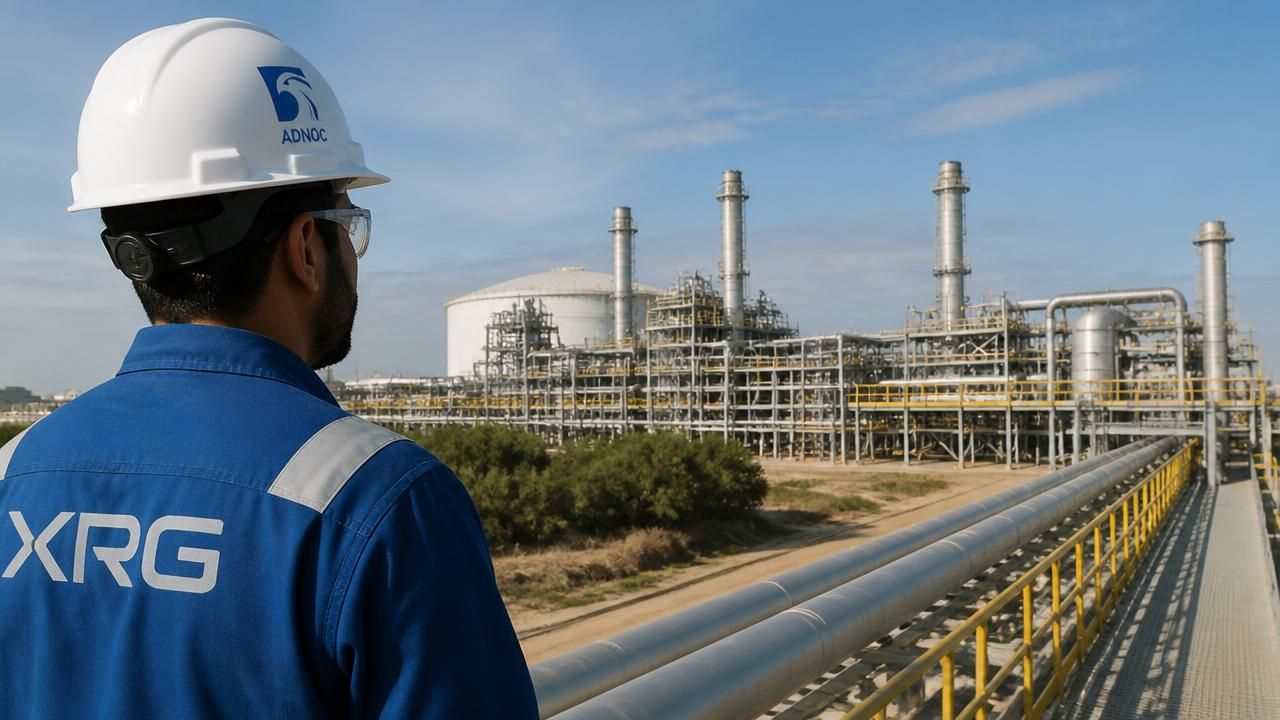
Abu Dhabi's XRG, the international investment arm of the emirate's state oil producer ADNOC, has agreed to pay $1.45 billion for Shell Plc's stakes in an Australian natural gas project, according to Bloomberg Markets, in the latest in a rapid series of overseas acquisitions by the Gulf energy giant.
The transaction, reported first by Bloomberg and subsequently carried by MSN and the energy trade press, would hand XRG a position in an Australian upstream gas asset just months after the vehicle was formally launched to house ADNOC's international low-carbon, gas, chemicals and overseas holdings. Separately, people familiar with the matter said XRG is weighing a stake in LNG Canada, the Shell-operated export terminal in Kitimat, British Columbia, as its partners consider a potential capacity expansion.
The Australian acquisition
The $1.45 billion purchase covers Shell's interests in an Australian natural gas project — assets the Anglo-Dutch major has been seeking to divest as part of chief executive Wael Sawan's drive to concentrate capital on fewer, higher-return businesses. Shell has sold a string of upstream positions across Asia, Africa and Europe over the past two years, pruning portfolios that were judged sub-scale or capital-intensive.
For XRG, the deal is a ready-made foothold in Australia's gas economy, which is one of the world's largest LNG-exporting industries and a critical supplier to Asian buyers in Japan, South Korea, Taiwan and China. Bloomberg characterised the move as part of a broader pattern:
The energy investment arm of Abu Dhabi's state oil producer agreed to pay $1.45 billion for Shell Plc's stakes in an Australian natural gas project, the latest in a series of deals as it seeks to expand around the world.
Neither XRG nor Shell disclosed detailed terms or a timeline for completion, and the agreement is expected to require regulatory clearance in Australia. ADNOC and its affiliates have been among the most active cross-border dealmakers in energy, having pursued assets in Azerbaijan, Mozambique, the United States and Europe over the past 18 months.
Canada moves onto the radar
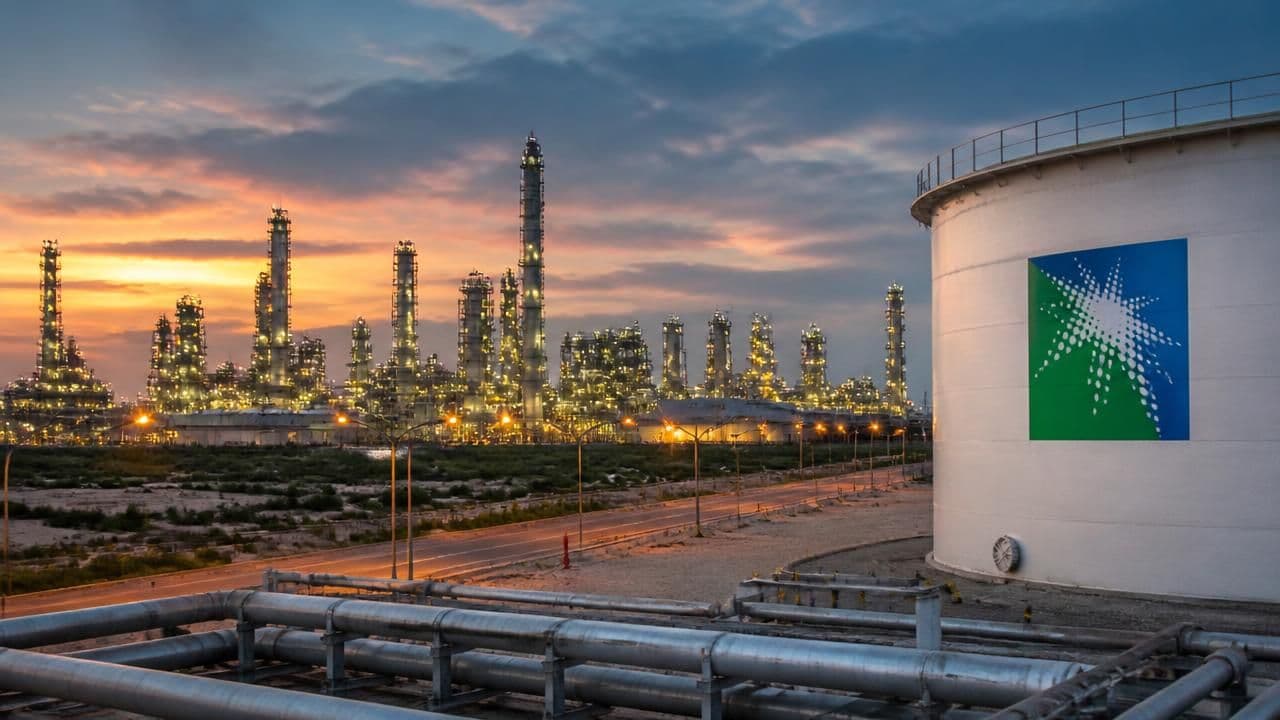
The second strand of the story, first flagged by Bloomberg and picked up by both MSN and trade publication World Oil, is exploratory: XRG is evaluating a stake in LNG Canada, the C$40 billion-plus project at Kitimat that shipped its first cargo in 2025 and is now the largest energy infrastructure investment in Canadian history.
LNG Canada is owned by a consortium — Shell (40%), Malaysia's Petronas (25%), PetroChina and Mitsubishi (15% each) and Korea Gas Corp. (5%) — with two liquefaction trains capable of producing roughly 14 million tonnes per annum in its first phase. The partners have been studying a second phase that would add two more trains, a decision that has been complicated by cost inflation, labour constraints and shifting global gas prices.
An XRG entry, if it materialises, would not necessarily mean a partner is exiting: the consortium has structured the project so that existing shareholders can adjust their positions ahead of any final investment decision on expansion. World Oil framed the development squarely as a pre-expansion move by the partnership, noting that the Canadian venture's owners are weighing whether to build out capacity while Gulf capital circles the asset.
Why gas, why now
The twin developments reflect a strategic bet by Abu Dhabi that natural gas will remain a durable pillar of global energy supply through the transition, even as Western policymakers tighten emissions rules and financiers scrutinise new fossil-fuel commitments.
- Demand outlook: Global LNG demand is projected to grow sharply through 2030, driven by coal-to-gas switching in Asia and European efforts to replace pipeline imports.
- Supply race: The United States, Qatar and Canada are all adding liquefaction capacity, creating competition for long-term offtake contracts.
- Capital recycling: European majors such as Shell, BP and TotalEnergies are selling non-core upstream assets, creating openings for state-backed buyers with longer investment horizons.
- Diversification: XRG was created to hold ADNOC's international bets, spanning gas, chemicals, low-carbon fuels and infrastructure, and has signalled an ambition to deploy tens of billions of dollars abroad.
The comparison with Qatar is instructive. QatarEnergy has spent the past four years buying equity stakes in LNG projects from Texas to Namibia to secure market position, and Abu Dhabi appears to be adopting a similar playbook — using sovereign balance-sheet strength to buy into assets that Western companies are shedding.
How the coverage frames it
The story has been told in three registers. Bloomberg, breaking the Australian deal, framed it as a transaction story: a dollar figure, a counterparty, and a sentence about XRG's global ambition. The MSN aggregations took a different angle entirely, leading on Canada and the mere possibility of an LNG Canada stake — a reminder that headline framing can shift a story from a completed deal to a speculative one. World Oil, serving the energy trade, connected the Canadian interest to the commercial logic of expansion, treating the Gulf interest as one input into a decision the existing partners must make.
Read together, the reports describe a single strategy in two acts: a completed acquisition in Australia, and an exploratory conversation in Canada. Both are about gas. Both are about Asia-facing supply. And both are about a Gulf producer converting hydrocarbon revenue into a permanently international portfolio.
What to watch
The immediate question is regulatory: Australian approval for the Shell divestment will test how Canberra views state-linked buyers in a sector that is politically sensitive and a major source of export revenue and domestic supply obligations. In Canada, the more consequential question is whether XRG's interest accelerates a Phase 2 decision at LNG Canada — or whether it simply provides liquidity for an existing partner seeking to rebalance its holdings.
Either way, the direction of travel is clear. As European majors retreat from non-core gas and Asian demand keeps growing, the Gulf's state-backed investment vehicles are positioning themselves as the buyers of last resort — and increasingly, as the partners of first choice.