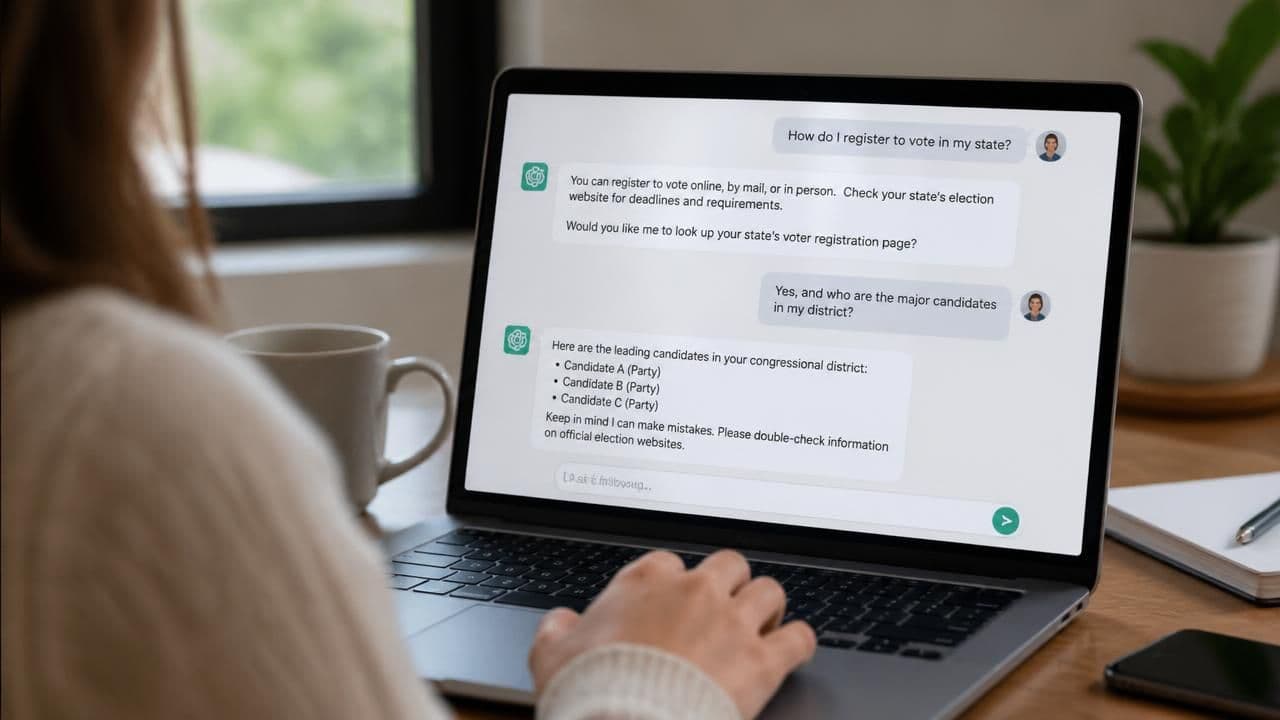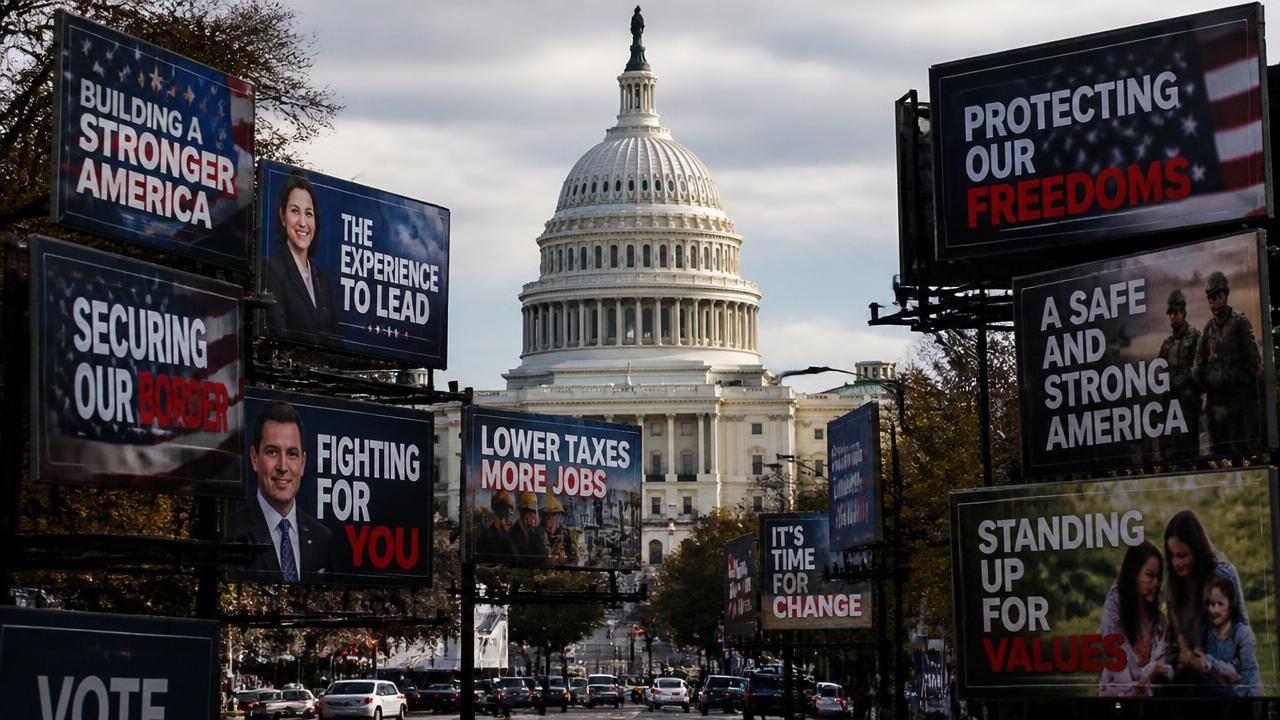
American voters are being deluged by the most expensive midterm campaign in U.S. history. The New York Times reports that more than $11 billion has been spent on advertising in the 2026 midterm elections, a record sum that is reshaping how candidates communicate, how outside groups influence races and how voters experience the closing weeks of the campaign.
The $11 Billion Ad Blitz
NYT national political correspondent Shane Goldmacher breaks down where the money is going, from broadcast and cable television to digital platforms, streaming services and targeted online ads. The total dwarfs previous midterm cycles and reflects a convergence of competitive House and Senate maps, deep-pocketed donors and a regulatory environment that has made it easier for outside groups to spend. The ad spending is not merely a measure of enthusiasm; it is a structural advantage that can drown out local voices and force candidates to spend precious time fundraising rather than governing or campaigning.
The New York Times reports that the 2026 midterm election is the most expensive national midterm election in U.S. history, with more than $11 billion in ad spending.
Dark Money and Megadonors Break Records
KALW reports that megadonors and dark-money groups are breaking election-spending records. Dark money—political spending by nonprofit groups that are not required to disclose their donors—has become a central feature of modern campaigns. Critics argue that it allows wealthy individuals and corporations to influence elections with little accountability, while defenders say it protects donors from harassment and supports robust political debate. In 2026, the sheer scale of undisclosed spending is raising new concerns about transparency and voter trust.
AIPAC, AI and Concentrated Influence
The Intercept focuses on how AIPAC and AI spent their money this midterm election, highlighting the role of well-funded interest groups and emerging technology in political influence. AIPAC, the pro-Israel lobbying powerhouse, has become a major force in Democratic and Republican primaries alike, while AI—whether referring to artificial intelligence companies, AI-generated political content or AI-focused political committees—adds a new dimension to the spending landscape. The Intercept's framing suggests that the story is not only about the total price tag but about who is writing the checks and what they expect in return.
Courts and Prediction Markets
MSN reports that the Supreme Court is shaping the midterm elections. Decisions on campaign finance, voting rules and redistricting set the boundaries within which candidates and outside groups operate. Those rulings can determine which ads can run, which donors can give and which voters can cast ballots. The court's role is especially consequential in a cycle where control of Congress may hinge on a handful of districts and states.
At the same time, prediction markets are attracting big money for the midterms despite state laws and regulations, MSN reports. Platforms that allow users to wager on election outcomes are drawing interest from traders and political operatives, raising questions about whether they function as financial markets, gambling operations or informal polling. State regulators have taken divergent approaches, creating a patchwork of rules that campaigns and investors must navigate. Supporters say prediction markets aggregate information and can forecast outcomes more accurately than polls; critics warn that they can be manipulated, create perverse incentives and blur the line between election analysis and election betting.
Historical Context and Local Ripples
Archived Wikinews campaign-trail dispatches from July and August 2016 and July and August 2020, along with a 2020 interview with Melbourne lord mayor candidate Wayne Tseng, offer a reminder that the mechanics of campaign coverage—tracking ads, donors and outside groups—have long been part of election reporting. But the scale in 2026 is different. What was once measured in millions is now measured in billions, and the same forces that dominate national races can trickle down to local contests, where money and media attention can be equally decisive.
Why It Matters
The competing frames tell a larger story. The New York Times emphasizes the ad spending arms race. The Intercept emphasizes interest-group influence, including AIPAC and AI. KALW emphasizes dark money and megadonors. MSN emphasizes the courts and prediction markets. Together, they describe a midterm election in which outside forces—donors, nonprofits, courts, technology platforms and financial markets—are shaping the political landscape before many voters have cast a ballot.
The implications are substantial. Record spending can increase voter exposure to political messages, but it can also fuel cynicism and make it harder for lesser-funded candidates to compete. Dark money can distort accountability. Court rulings can alter the rules mid-game. Prediction markets can turn elections into tradable assets. And the rise of AI adds new questions about authenticity, misinformation and the cost of political persuasion.
For voters, the challenge is to cut through the noise. For policymakers, the challenge is to decide whether the current system—record spending, limited disclosure, patchwork regulation and a Supreme Court that has repeatedly loosened campaign finance rules—is sustainable. For the candidates, the challenge is simpler and more urgent: in the most expensive midterms in American history, survival may depend less on what they say than on who is spending on their behalf.