Iran is signaling that it could reopen the Strait of Hormuz within days — possibly as few as two — if Washington accepts a set of conditions, even as Tehran simultaneously prepares for an all-out war and tightens its administrative grip on the waterway. The offer, relayed through regional mediators and reported across a dozen outlets on Monday and Tuesday, has produced a rare burst of diplomatic optimism shot through with contradiction: timelines have varied from two days to seven, and President Trump has alternately described the talks as nearly finished and claimed he had rejected the proposal outright.
Iranian officials said some progress had been made in negotiations to reopen the strait, according to The New York Times, while cautioning that military preparations were continuing in parallel. A Qatari delegation arrived in Tehran on Monday to meet Foreign Minister Abbas Araghchi and continue talks, and Omani officials have reportedly made separate progress on a parallel track.
A Proposal With Shifting Clocks
The core of the offer is straightforward, if the details are not. Iran would restore commercial passage through the strait — the chokepoint carrying roughly a fifth of global oil consumption and a comparable share of liquefied natural gas — in exchange for the easing of American military pressure and, in the maximalist version outlined by Iranian military figures, the withdrawal of U.S. forces from the region.
What varies sharply between reports is the timetable. Iranian officials and Qatari mediators have spoken of a two-day reopening window. Al Jazeera and Outlook India described a seven-day plan that included a ceasefire of the same length and a resumption of nuclear negotiations with the United States. Still other accounts, including MSN and CNBC, cited a six-day framework conditioned on Washington easing military pressure, while CBS News reported that both the reopening and a seven-day ceasefire remained "on the table."
The discrepancies are themselves a story: they suggest a proposal still being negotiated in real time, with different Iranian channels authorized to float different versions, or deliberately designed to test American responses.
"The strait will reopen if America leaves the region," an Iranian army spokesperson said, adding that "the global economy will improve" if U.S. forces depart the Middle East.
Trump: 'Largely Negotiated,' but Rejected
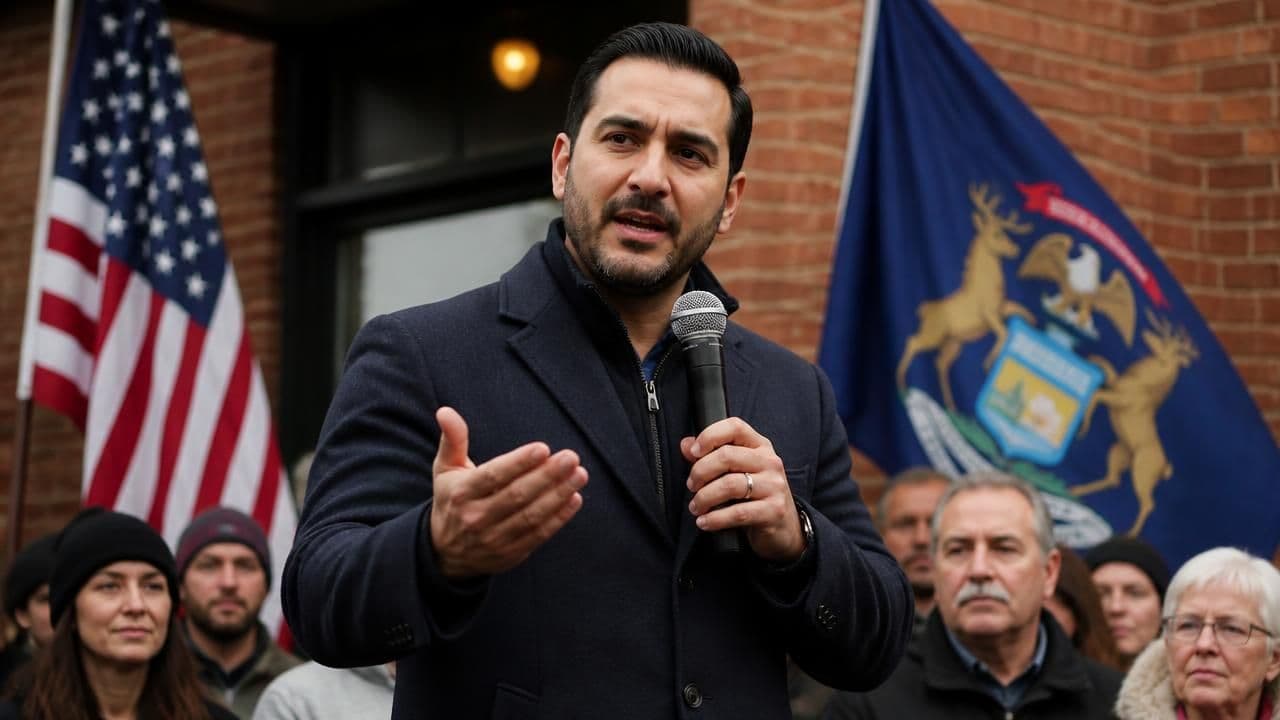
Washington's messaging has been equally fluid. In one set of remarks, Trump said a deal to reopen the Strait of Hormuz was "largely negotiated" and would be announced soon. In another, he said he had rejected the Iranian proposal. Secretary of State Marco Rubio, meanwhile, told reporters that Trump "hasn't made a decision" on whether to resume strikes against Iran — leaving open the possibility that diplomacy collapses even as talks advance.
Trump has also said the war in Iran will be "put away very soon, one way or the other," a formulation that encompasses both a signed agreement and a decisive military conclusion. The ambiguity is characteristic of a negotiating posture that keeps maximum pressure on Tehran while preserving the appearance of imminent success for domestic audiences.
Tehran Builds a Shipping Authority
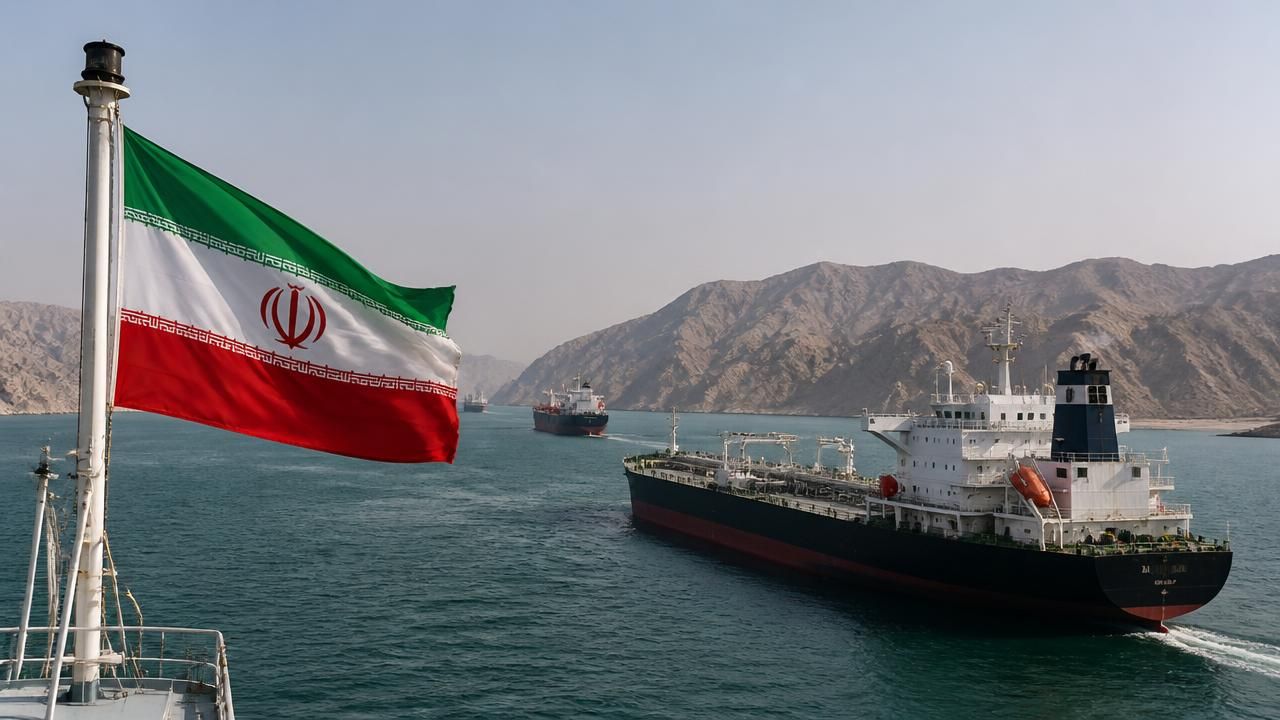
Alongside the diplomacy, Iran has created a new agency to control shipping in the Strait of Hormuz — a move that reads less like de-escalation than the institutionalization of leverage. Officials have said the body will manage transit while the government reviews the peace deal with Washington. For shipping companies and insurers, the new authority raises a practical question: whether reopening the strait would mean returning to the pre-war status quo, or to a new regime in which Tehran formally administers passage and, potentially, collects fees or vets vessels.
The maritime risk remains acute. Live coverage from The Times of India reported that an oil tanker caught fire after striking a mine in the strait, a reminder that even a political agreement would leave ordnance, damaged hulls and skittish underwriters in its wake. War-risk premiums and rerouting costs have already reshaped global shipping lanes.
How the World Is Reading It
- The New York Times framed the story around cautious progress paired with war preparation, emphasizing that Iranian officials spoke of movement at the negotiating table even as they readied for conflict.
- Al Jazeera and Outlook India focused on the substance of the seven-day plan and its linkage to renewed nuclear talks, positioning the strait as the entry point to a broader bargain.
- Fox News foregrounded Iran's demand for a U.S. withdrawal, casting the offer as a bid to expel American forces rather than a humanitarian gesture on trade.
- CNBC and business outlets led with market implications and the condition of eased military pressure, reflecting investor anxiety over oil and gas flows.
- CBS News kept attention on the still-live ceasefire track, noting that neither element had been formally withdrawn.
Why the Strait Matters
The Strait of Hormuz has been the world's most consequential maritime choke point since the Tanker War of the 1980s, when Iraq and Iran attacked hundreds of vessels and the U.S. Navy escorted reflagged Kuwaiti tankers. Roughly 20 million barrels of oil a day normally transit the narrow channel between Iran and Oman. Any credible threat of closure moves crude prices within hours; an actual closure would force Gulf exporters onto pipelines with a fraction of the capacity.
That asymmetry explains why Tehran treats the waterway as its most valuable non-nuclear card, and why Washington has committed so much naval power to keeping it open. It also explains the involvement of Qatar and Oman, whose economies depend on unimpeded export and whose diplomats have spent years serving as the West's most reliable channel to Tehran.
What Comes Next
The immediate question is sequencing: whether Iran will reopen the strait before conditions are met, or insist on reciprocal steps first. A second is verification, given the new shipping authority's role. A third is whether the nuclear file — revived in the seven-day framework — can be folded into an agreement without collapsing the narrower maritime deal.
For now, both sides are keeping the offer alive while keeping their options open. The coming days will reveal whether the two-day version was a genuine opening or a negotiating feint, and whether a war that has already disrupted global energy markets ends at a table in Tehran, Muscat or New York — or escalates further.