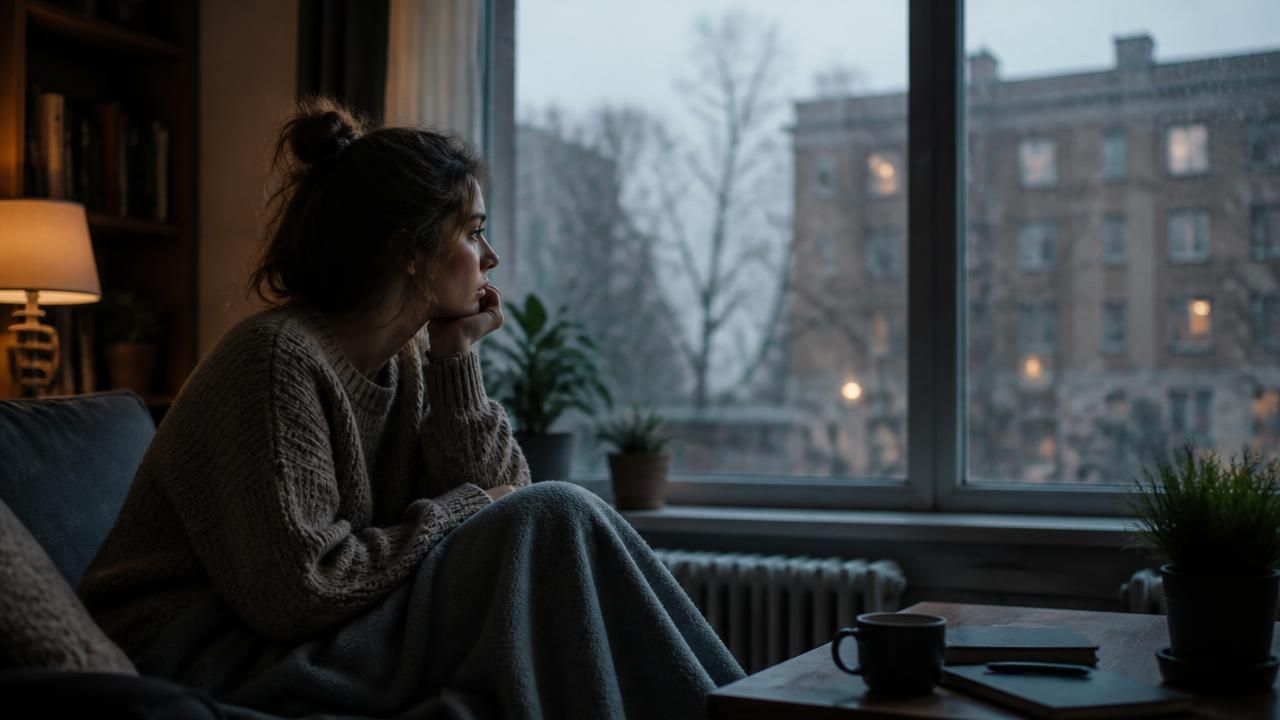
As daylight hours shrink across the Northern Hemisphere, a familiar slump settles over millions of people: the urge to sleep more, eat more, and withdraw from the world. For many, it is a passing case of the "winter blues." For others, it is something clinically distinct — seasonal affective disorder, or SAD — a condition that experts say is widely misunderstood, frequently undiagnosed, and eminently treatable.
This year, a wave of coverage from outlets including NPR, Mayo Clinic, CNN, Vox, The New York Times, Healthline, The Seattle Times and Psychology Today has converged on a single message: SAD is more than feeling sad, and it is not something sufferers simply have to endure.
More Than a Bad Mood
The Mayo Clinic's Q&A framing captures the central confusion: SAD is "more than feeling sad." Psychology Today draws the same line, asking whether a person is dealing with seasonal affective disorder or merely the winter blues. Healthline goes further, comparing SAD directly with major depression — noting that while the two share symptoms such as low mood, fatigue and loss of interest, SAD follows a seasonal pattern, typically emerging in late fall and winter and lifting in spring.
The distinction matters because the two conditions can require different treatment approaches. SAD is recognized as a subtype of depression with a seasonal pattern, and clinicians stress that a formal diagnosis — not self-diagnosis — should guide care.
The 'Hibernating Bear' and the Science of Light
Dr. Norman Rosenthal, who published the first research on SAD, told NPR that the syndrome can make people feel like a "hibernating bear" — sleeping excessively, craving carbohydrates, gaining weight and pulling away from social life. That metaphor has stuck because it captures something intuitive: the body responding to diminished light as though preparing for winter.
"The syndrome can make people feel like a hibernating bear." — Dr. Norman Rosenthal, pioneer of SAD research
The leading explanation centers on the disruption of the body's circadian clock by shortened daylight hours, which in turn affects mood-regulating neurotransmitters such as serotonin and melatonin. That understanding underpins the most widely recommended intervention: bright light therapy, typically delivered through a light box used for 20 to 30 minutes each morning.
The New York Times' product review coverage of the best light therapy lamps reflects how mainstream the devices have become — though clinicians caution that intensity, timing and consistency matter far more than brand names, and that light therapy should be discussed with a doctor, particularly for people with certain eye conditions or bipolar disorder.
Why This Winter May Feel Worse
Several outlets — including The Times of India and MSN — have framed this season as one in which SAD may hit harder than usual. The reasons are layered: the disruption of routines and social contact carried over from recent years, economic stress, and the ordinary compounding of isolation that dark, cold days already encourage.
Vox's guidance takes a geographic angle, arguing that the winter blues can be managed "no matter where you live" — including in sunnier latitudes where shorter days still affect some people's internal clocks and where the condition is often overlooked.
Not Only in Winter — and Not Only in Adults
One of the most persistent myths is that SAD is exclusively a winter phenomenon. The Seattle Times notes plainly that seasonal affective disorder doesn't only happen in the winter; a smaller share of people experience a summer-pattern version marked by insomnia, agitation and anxiety.
Children are also affected. Reporting from Wisconsin and the University of Utah Health highlights that kids can experience seasonal affective disorder too, often showing it through irritability, declining school performance and changes in sleep rather than through language adults easily recognize. Parents are advised to watch for shifts that track the calendar and to consult pediatricians or school counselors.
Personal accounts underscore the stakes. One veteran's story, circulated via MSN, carries a message of recovery: "You can get your life back." Mental health advocates say such testimony helps counter the shame that keeps people from seeking help.
Self-Care and Treatment: What Actually Helps
CNN's consumer guidance distills practical steps into a handful of self-care tips, echoed by experts in Maine and elsewhere:
- Get morning light. Use a light therapy box or spend time outdoors early in the day to anchor the circadian rhythm.
- Move your body. Regular exercise, even indoors, has measurable mood benefits.
- Keep a schedule. Consistent sleep and wake times help stabilize the body clock.
- Stay connected. Deliberately scheduling social contact counteracts the withdrawal SAD encourages.
- Talk to a professional. Cognitive behavioral therapy has strong evidence for SAD, and antidepressant medication may be appropriate in some cases.
- Plan ahead. People with a history of SAD are advised to begin treatment before symptoms peak, not after.
Maine-based experts emphasized that winter mental health is a community issue, not just an individual one — and that workplaces, schools and families can help by maintaining connection and normalizing the conversation.
The Bottom Line
The through-line across these reports is simple: feeling low when the days get short is common, but suffering through an entire season is not inevitable. Whether the problem is the winter blues or full seasonal affective disorder, the advice is the same — check in with a doctor, take the symptoms seriously, and start treatment early. As one veteran put it, recovery is possible: you can get your life back.