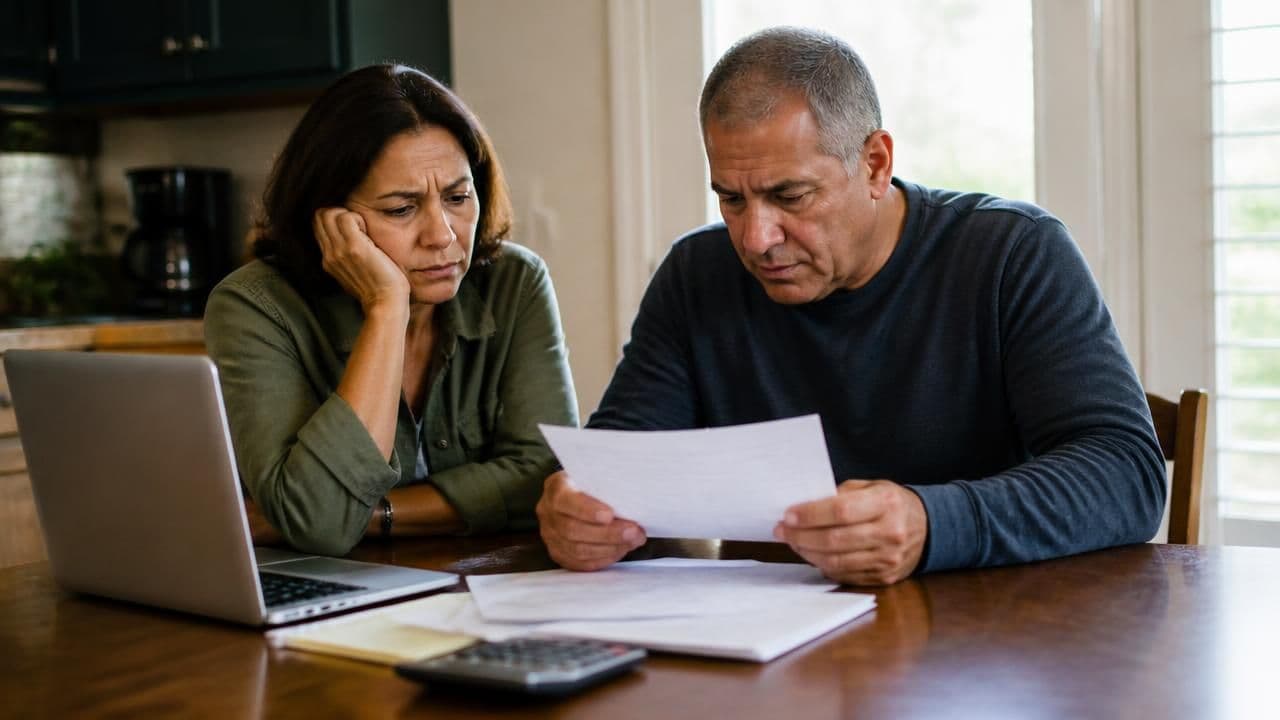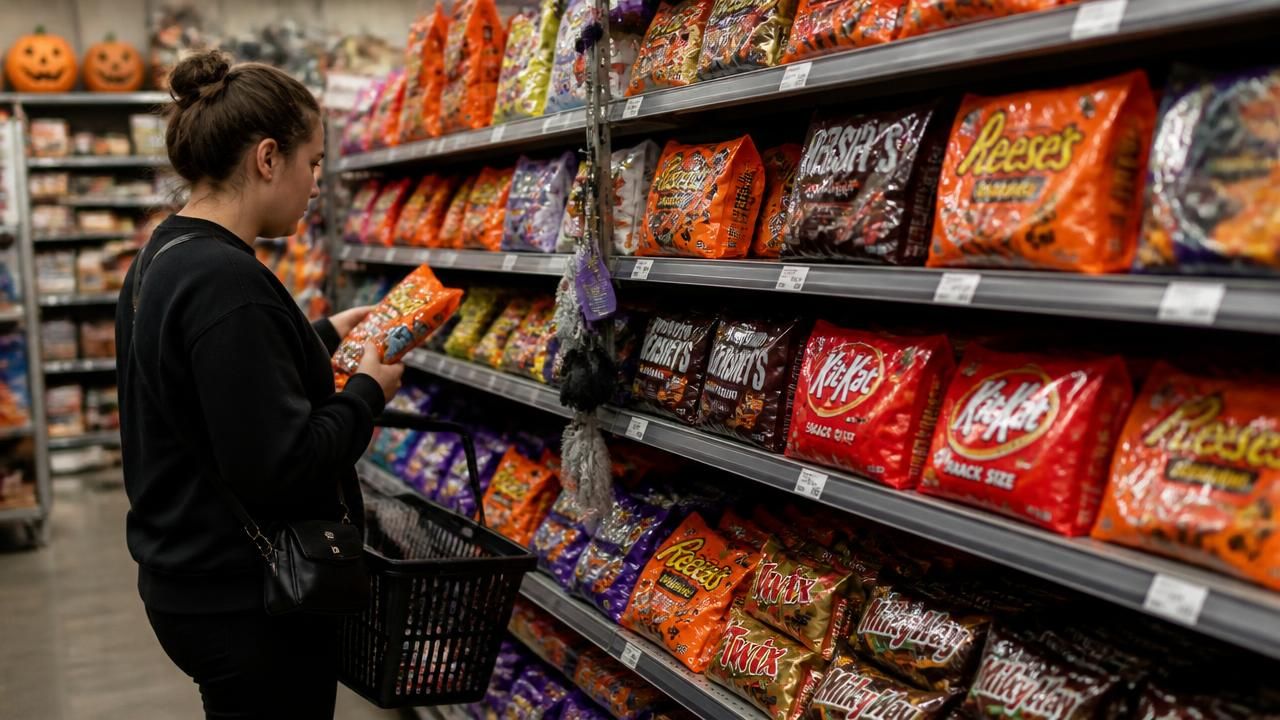
Halloween is supposed to be the one night when fright is fun. This year, the scariest number in the holiday is on the price tag. Across the candy aisle, families are finding that bags of chocolate and other treats cost noticeably more than they did a year ago, as higher labor, energy and transportation costs work their way through the food supply chain — and straight into trick-or-treat buckets.
At Stew Leonard's, the family-run grocery chain in the New York metro area, the shift is visible at the register. Chief executive Stew Leonard Jr. said bags of popular candy are up roughly 50 cents from last year, a change small enough to escape notice in a full grocery cart but large enough to change behavior when shoppers are buying multiple bags for a class party, a trunk-or-treat event and the front porch.
“Bags of popular candy are up about 50 cents from last year, and some shoppers are trading down to cheaper options,” Leonard said in comments to Bloomberg Businessweek Daily, describing how affordability concerns are reshaping consumer choices heading into the holiday.
Why candy costs more
The increase is not the result of any single shock. Instead, it reflects the cumulative pressure on food manufacturers and retailers: wages, electricity and fuel, freight and packaging have all risen, and chocolate makers in particular have faced elevated cocoa and sugar costs. Those expenses are passed along in small increments — a few cents per unit, a few dozen cents per bag — that compound into a meaningful holiday premium.
Coverage of the trend has converged from several directions. Outlets focused on consumer wallets, such as CALW and SEE News, framed the story around families facing broad price pressures and asked what Halloween would actually cost this year. Business outlets, including Bloomberg and MarketScreener, led with corporate warnings — notably from Hershey, which has cautioned that rising living costs may spook Halloween shoppers and weigh on seasonal spending. MSN's business coverage put it more bluntly: Halloween is getting pricier as chocolate costs climb, and Hershey may feel the pinch.
Hershey's Halloween test
For the confectionery industry, Halloween is not a minor holiday. It is the single largest candy-selling season in the United States, and for Hershey — whose portfolio leans heavily on chocolate — it is a critical revenue moment that arrives this year against a softer consumer backdrop.
The company's caution reflects a familiar dynamic in consumer staples: volume, not price, becomes the vulnerability. When manufacturers raise prices to protect margins, shoppers may absorb some of the increase, but they also respond by buying less, buying cheaper, or buying different. Hershey's warning that stretched household budgets could dampen seasonal spending is essentially an acknowledgement that the pricing lever has limits.
The gummy insurgency
Where chocolate has struggled, alternatives have gained. Yahoo Finance's coverage captured a notable shift: gummy candies are taking over this Halloween, as shoppers gravitate toward products that are often cheaper per unit, less exposed to cocoa price volatility, and — importantly — better aligned with changing health preferences.
MSN's reporting added another layer: chocolate makers are getting a Halloween fright as health-conscious U.S. shoppers cut back. That aligns with a broader trend in American snacking, where consumers have become more attentive to sugar content, portion sizes and ingredient labels, and where the rise of weight-management medications has prompted food companies to rethink packaging and formulation. USA Today's framing — that shoppers may find less chocolate in their Halloween bags — points to the same conclusion from the consumer side: the mix is shifting, not just the price.
- Trade-down behavior: shoppers swapping premium or branded chocolate for store brands, bulk bags or non-chocolate alternatives.
- Mix shift: gummies, sour candies and other non-chocolate items gaining share of the Halloween basket.
- Health awareness: greater scrutiny of sugar and portion size, affecting what parents buy for their own homes.
- Deal-seeking: more reliance on promotions and coupons as households try to preserve the holiday on a budget.
The deal hunt and the resilient spend
Retailers are responding on both fronts. MSN's roundup of Halloween food deals for 2026 — free meals, discounts and spooky-themed promotions — illustrates how aggressively chains are using value messaging to keep customers engaged during a higher-cost season. Discounts serve a dual purpose: they blunt the sticker shock of candy and they drive traffic that can translate into broader basket rings.
Yet the picture is not one of retreat. NBC News framed the holiday differently, reporting that to counteract a spooky economy, America is preparing to spend on Halloween candy. That tension — consumers complaining about prices while still buying — is characteristic of the current U.S. consumer economy, where spending has held up even as sentiment sours. Halloween is a relatively low-cost holiday, and parents are often reluctant to cut the one ritual their children look forward to.
What to watch
The key question for the season is whether higher prices translate into higher dollar sales with lower volumes — a pattern that flatters revenue while masking weaker demand. If that happens, expect candy makers to lean harder on promotions, smaller pack sizes at the same price point, and marketing that emphasizes variety over chocolate purity.
For families, the practical advice is straightforward: compare unit prices rather than bag prices, look for multi-buy promotions, and don't assume chocolate is the default. For the industry, the message from this Halloween may outlast the season. A holiday built on indulgence is now a test of affordability — and of whether candy can keep its place in the bucket as tastes, budgets and health priorities all shift at once.