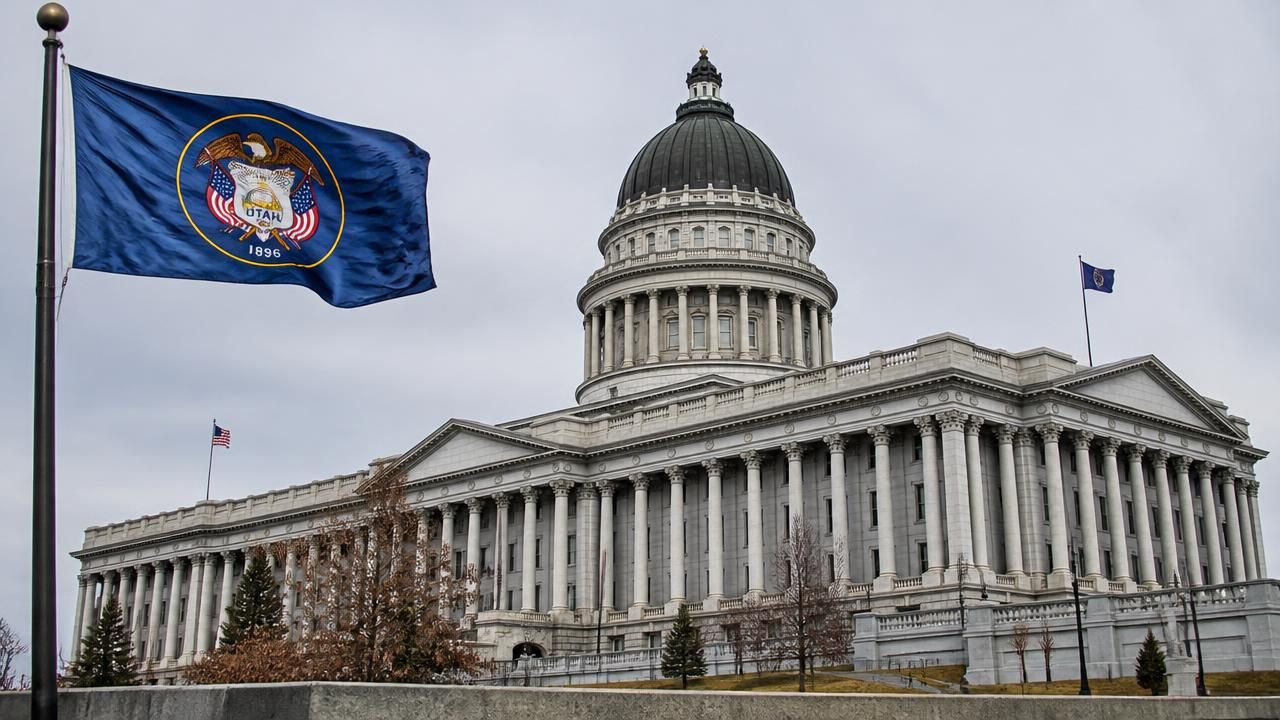
The Trump administration has sued Utah in an effort to stop the state from enforcing its sweeping gambling ban against Kalshi, the New York-based prediction market that has rapidly become one of the most disruptive — and contested — players in American sports and event wagering. The action makes Utah the tenth state the federal government has taken to court in a widening campaign to establish that Washington, not state capitols, has the final say over whether Kalshi may operate.
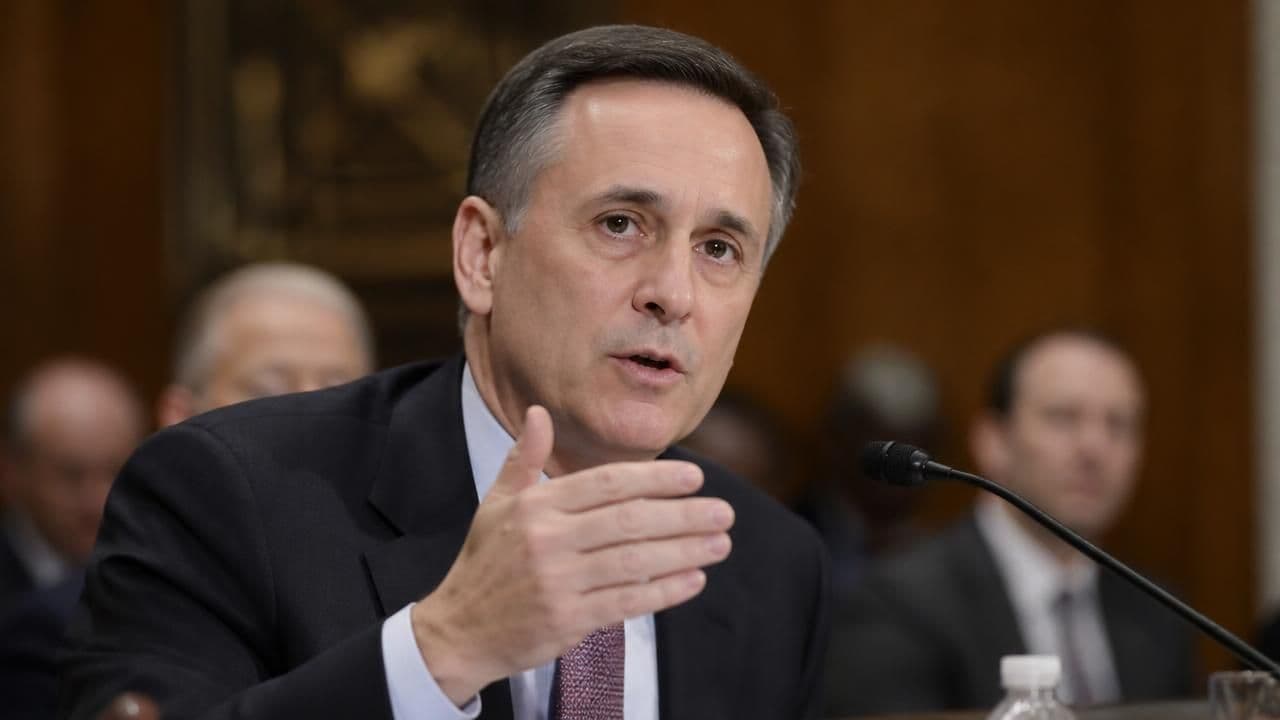
The suit follows a complaint filed by Utah in state court last week seeking an order barring Kalshi from offering contracts on sports, elections, politics and other events. Utah Attorney General Derek Brown, a Republican, was blunt in announcing the action.
“Kalshi runs an online casino in Utah and calls it a prediction market. That violates Utah law. Not only do our state laws ban gambling but Utah is one of only two states where gambling is also prohibited under the state constitution. For 130 years, Utah has been clear: gambling has no place here, and we will enforce our laws.”
The Federal Counterattack
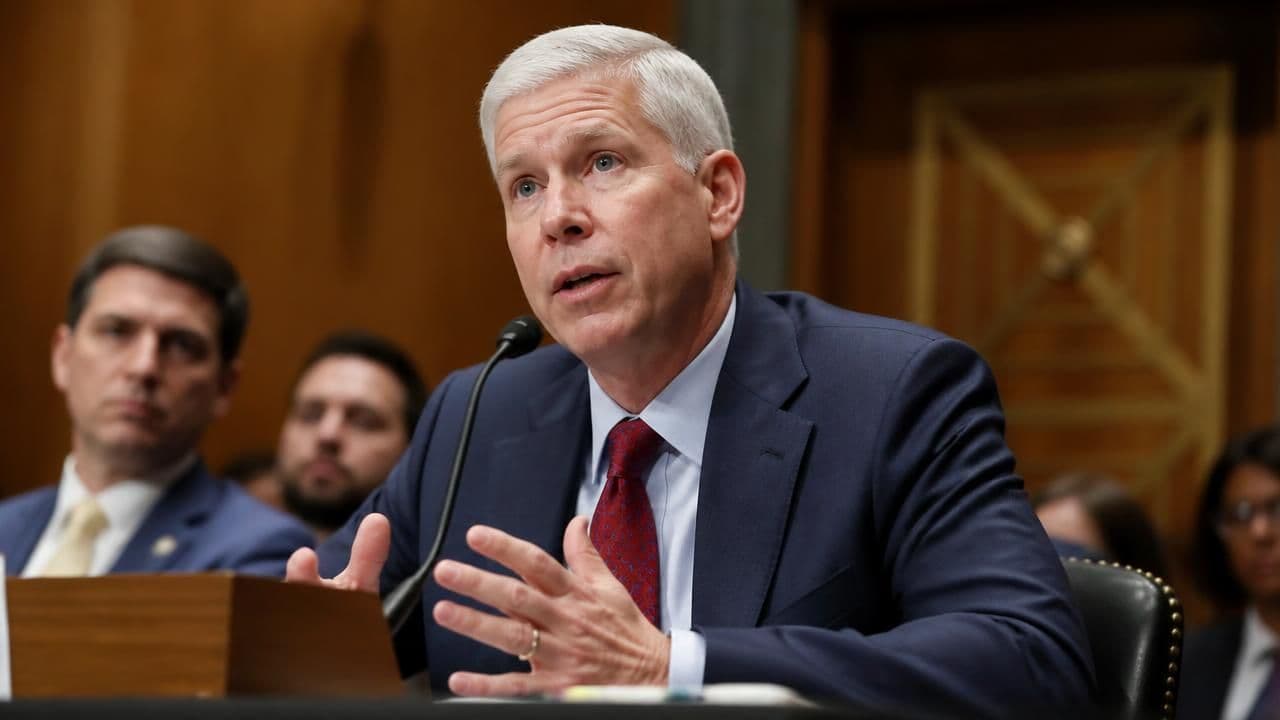
The federal complaint, brought by the agency that regulates prediction markets — the Commodity Futures Trading Commission — argues that Kalshi operates as a CFTC-designated exchange under federal commodities law and that states cannot shut it down through their own gambling statutes. The same argument has now been deployed in ten states, a coordinated strategy that legal observers say is designed to create a single, definitive ruling rather than a patchwork of state court losses.
The clash is a textbook preemption fight. Utah says gambling regulation has always been a police-power prerogative of the states, and that its constitutional prohibition — one of only two such bans enshrined in a state constitution, alongside Hawaii — predates the federal commodities statute by decades. The federal government counters that Congress created a uniform national framework for derivatives and event contracts, and that allowing individual states to criminalize a federally approved exchange would render that framework meaningless.
How Kalshi Got Here
Kalshi spent years fighting for the right to list event contracts, winning a pivotal 2024 ruling in federal court in Washington, D.C., that blocked the CFTC from refusing to allow contracts on which party would control Congress. That decision, upheld on appeal, opened the door to a much larger prize: sports. Kalshi now lists contracts on games, elections, economic data releases and pop-culture events, and its sports volume in particular has exploded — placing it in direct competition with licensed sportsbooks and, increasingly, in the crosshairs of state gaming regulators.
The company's founder has signaled he is prepared to take the regulatory fight all the way to the Supreme Court, and the rhetoric around the case has grown sharply personal. Coverage of the Utah action has featured barbed references to a “manager of a back-alley gambling den,” language that captures how both sides now frame the dispute — Kalshi and its allies cast state-level crackdowns as parochial protectionism for entrenched casino and sportsbook interests, while state regulators describe the company as an unlicensed bookmaker hiding behind a technical label.
A National Footprint, Advertised Like a Sportsbook
The commercial reality of Kalshi's business is visible far from any courtroom. Sports media outlets, including CBS Sports, routinely publish promotional codes offering sign-up bonuses tied to specific games — Sunday Night Football matchups, college basketball contests and more — the kind of marketing long associated with daily fantasy sports and online sportsbooks rather than with derivatives exchanges.
That promotional apparatus is precisely what Utah and other states point to when they argue Kalshi is a gambling operator in all but name. Kalshi's response is that its contracts are financially settled event derivatives, that they serve a genuine hedging and forecasting function, and that the distinction matters under federal law. Critics counter that for the average customer, the experience — pick a side, stake money, collect a payout based on an athletic contest — is functionally indistinguishable from a wager.
Why It Matters Beyond Utah
- Preemption precedent: A definitive federal ruling could either shield Kalshi nationwide or hand states broad authority to ban prediction markets, shaping the future of event contracts across finance, media and sports.
- Incumbent interests: Casinos, tribal gaming operators and licensed sportsbooks have pushed regulators to act, viewing Kalshi as an unregulated competitor siphoning betting dollars.
- Election-year stakes: Political event contracts have drawn scrutiny from lawmakers who worry about the commodification of elections, an issue that could resurface regardless of how the Utah case is resolved.
- The federal regulator's own role: The CFTC's decision to sue states on Kalshi's behalf marks an unusually aggressive assertion of jurisdiction for an agency more accustomed to policing derivatives markets than litigating against attorneys general.
What Happens Next
The immediate question is whether a federal court will enjoin Utah's state-court action while the preemption claim is litigated — a step that would effectively freeze Utah's enforcement effort and likely be replicated in other states. Utah, for its part, shows no sign of retreating, framing the case as a defense of a moral and legal consensus that predates the company by more than a century.
For Kalshi, the trajectory is clear: every new state lawsuit raises the odds that the Supreme Court ultimately decides whether a prediction market is a financial exchange or an online casino. For the ten states now in litigation, the answer will determine not just whether Kalshi can operate within their borders, but whether they retain the power to say no at all.