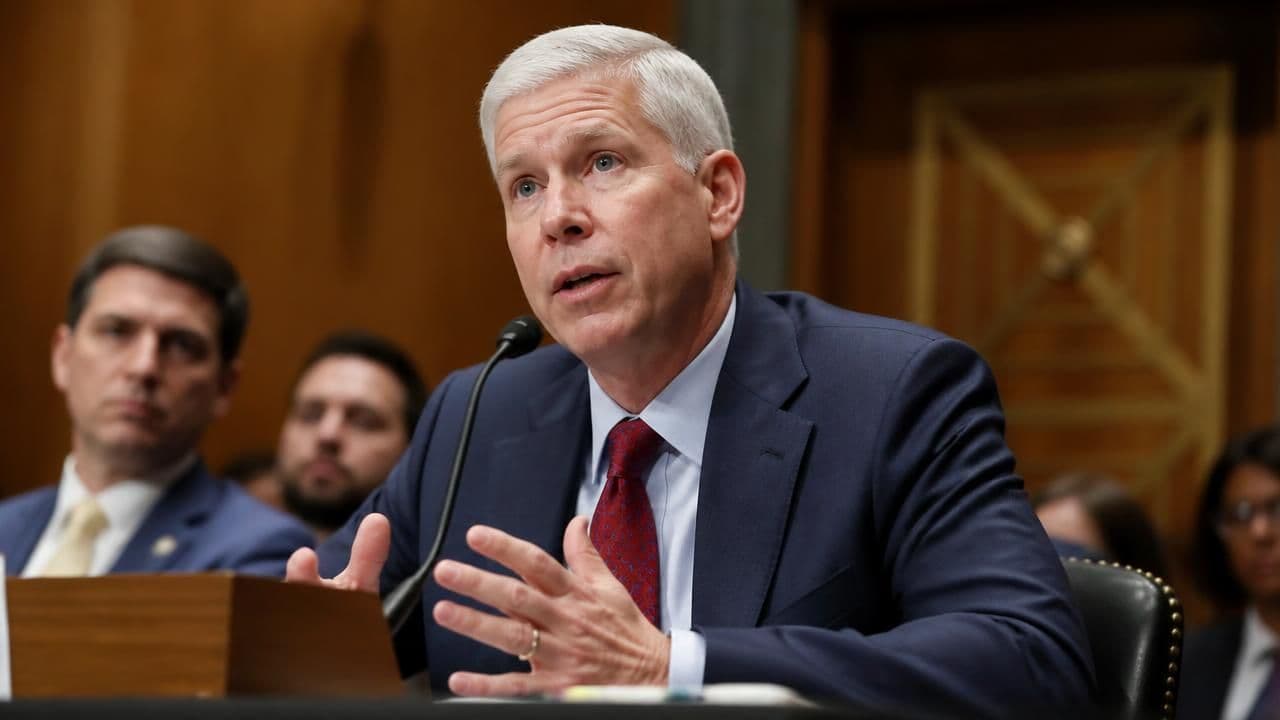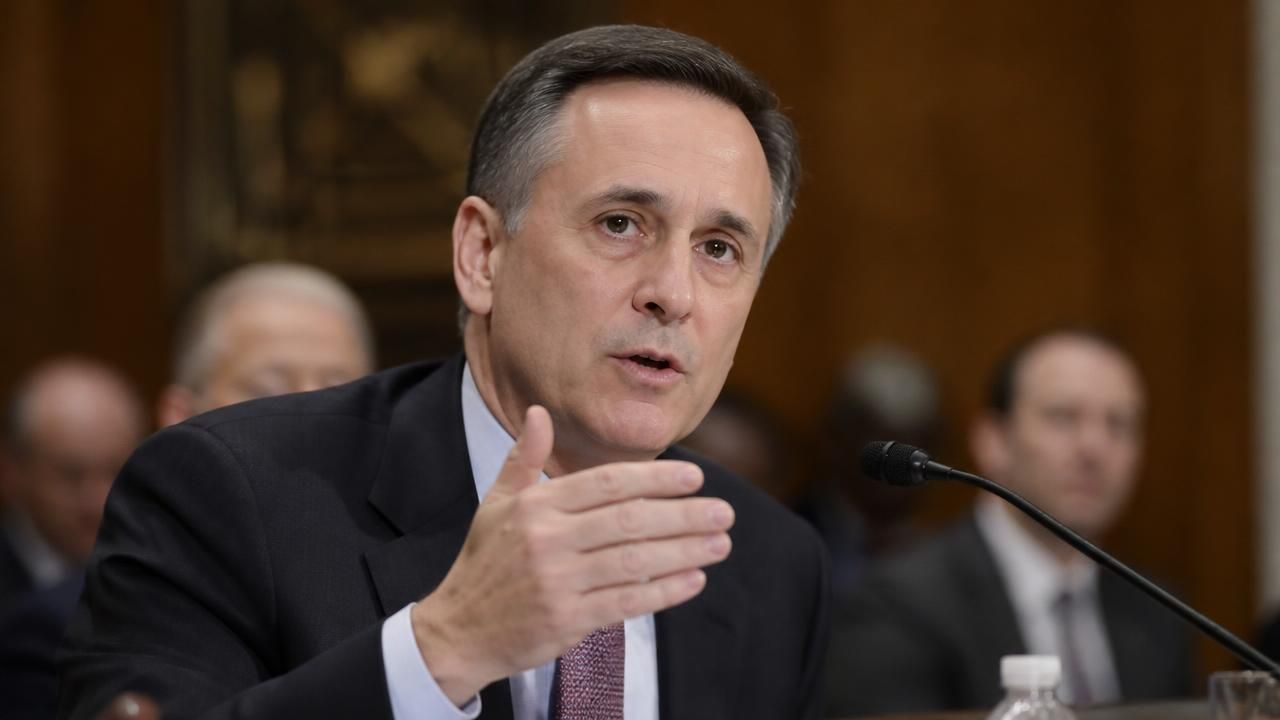
Former Federal Reserve Vice Chairman Richard Clarida expects the U.S. central bank to raise interest rates in December and possibly again in March, adding a prominent former policymaker's voice to a growing consensus that the Fed is not yet finished tightening. Clarida made the projection in an interview on Bloomberg Television's "Bloomberg Surveillance: The Fed Decides," according to Bloomberg Markets. MSN separately highlighted his view that "we expect one more rate hike at the December meeting," while the same Bloomberg headline circulated on Yahoo Finance. The remarks put Clarida close to—but not identical with—the view of economists surveyed by Reuters, nearly all of whom expect the Fed to skip October and raise rates again in December.
A former official's forecast
Clarida is no longer in a position to set policy, but his forecast carries weight because he served as the Fed's vice chairman and remains a close watcher of monetary policy. His projection is a forecast, not a policy signal. Still, it matters because it sketches a path in which the Fed delivers one more increase before year-end and then keeps the door open to another move early next year.
"We expect one more rate hike at the December meeting," Clarida said, according to MSN's summary of the Bloomberg interview.
Bloomberg reported that Clarida also sees a possible follow-up increase in March. That two-step path is more aggressive than the baseline in the Reuters poll, which centers on a December move. The difference is important: it separates a "one-and-done" view from a longer tightening cycle that could keep upward pressure on borrowing costs into the first quarter.
Economists converge on December
Reuters reported that nearly all economists it surveyed expect the Fed to skip October but raise rates again in December. The poll framing emphasizes institutional consensus rather than a single former official's outlook. It suggests that forecasters are trying to read the Fed's reaction function through the lens of incoming inflation and labor-market data, not through political pressure or market noise.
The Reuters headline also captures the central timing question. A pause in October would not necessarily mean the Fed is done. It could instead be a calibration—a chance to assess how previous increases are working through the economy before deciding on another move at the final meeting of the year. December is significant because it often brings updated economic projections and a fresh opportunity for policymakers to signal their intentions for the months ahead.
Two frames, one direction
Bloomberg and MSN focused on Clarida's personal forecast, while Reuters emphasized the aggregate view of economists. The frames differ, but the direction is similar: both point to a December increase. The main divergence is over what comes next. Clarida's suggestion of a possible March hike challenges the idea that December will mark the end of the cycle. The Reuters poll, by contrast, does not necessarily endorse a March move.
The duplication of the Bloomberg headline across financial outlets, including Yahoo Finance, illustrates how a single television interview can shape the market narrative. Even when the underlying content is identical, the emphasis can shift: Bloomberg presented Clarida as a former vice chairman making a prediction, MSN highlighted the December call, and Reuters framed the story around the broader economist consensus.
Why the timing matters
If the Fed raises rates in December, the decision would ripple through mortgages, credit cards, business loans and the dollar. A pause before then would not mean victory over inflation; it would mean policymakers want more evidence before acting again. That distinction is central to how investors and households should interpret the debate.
For markets, the question is less about whether December is live than about how many increases remain. Clarida's March call is notable because it keeps alive the possibility of a longer cycle. If the Fed were to follow that path, short-term rates would stay higher for longer, and expectations for cuts would be pushed further out. If the Reuters consensus proves right and December is the last move, attention would quickly turn to how long rates stay at their peak.
Caveats and what to watch
Clarida no longer sets policy. The current Fed, led by Chair Jerome Powell, has repeatedly stressed that decisions are data-dependent. The Reuters poll is an expectation, not a decision. Both forecasts could change if inflation reaccelerates, the labor market softens unexpectedly, financial conditions tighten sharply or global growth deteriorates.
What would change the forecast
- Inflation readings that surprise in either direction would alter the case for a December move and for any March follow-up.
- Labor-market data, including hiring and wage growth, will shape how officials judge remaining inflationary pressure.
- Financial conditions matter: a sharp rise in borrowing costs could substitute for a rate hike, while an easing could invite one.
- Fed communications between now and December will signal whether policymakers see the next move as a pause or a skip.
For now, Clarida and the Reuters economists agree on the most likely next step: a December increase. They differ on whether that will be the last one. The answer will depend less on forecasts than on the data the Fed sees in the coming weeks—and on how officials choose to frame a pause that may prove temporary.