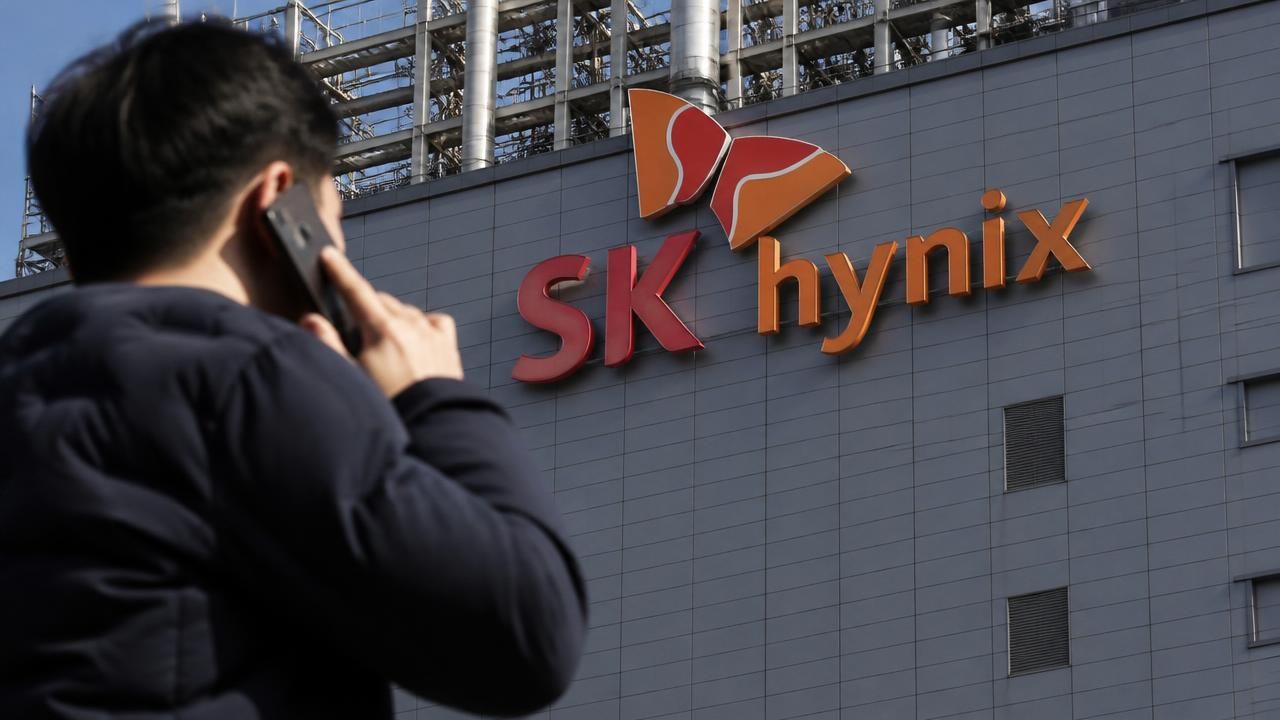
SK Hynix shares slid in Asian trading after the company said its U.S.-based NAND subsidiary Solidigm had suspended its review of a potential U.S. initial public offering, citing market volatility. The decision landed in the middle of a broader technology selloff, turning a company-specific announcement into a test of investor appetite for semiconductor listings and memory-chip exposure.
Reports put the decline at 4.1% to 5.1% during the session, with headlines capturing both the scale of the move and the speed of the mood shift. Bloomberg Markets framed the trading day around a deepening tech selloff, while syndicated reports focused on the IPO withdrawal and the immediate hit to SK Hynix stock. Ad-hoc-news.de emphasized that the Solidigm listing talk collided with a global tech retreat and was overshadowed by a memory-wide selloff, even as a Wolfe Research upgrade offered a counterpoint.
A listing put on hold
Solidigm is central to SK Hynix's NAND flash and solid-state drive strategy. The subsidiary was formed after SK Hynix acquired Intel's NAND and SSD business, and a U.S. listing had been viewed as a way to raise capital, establish a public valuation benchmark and give Solidigm more strategic flexibility. Multiple outlets reported that the company had suspended its review of the IPO rather than abandoning the business itself.
The company said Solidigm had suspended its review of a potential U.S. IPO, citing market volatility.
The phrasing matters. A suspension is not a liquidation of the plan, but it removes a near-term catalyst that investors had been watching. It also signals that management sees the current market window as unfavorable for a semiconductor listing, particularly one tied to the historically cyclical NAND market.
Market backdrop: tech selloff meets memory weakness
The announcement did not arrive in isolation. Bloomberg's The Asia Trade set the scene as a deepening technology selloff, with investors reducing exposure to high-beta chip names. The SK Hynix move reflected that risk-off tone. One report described a memory-wide selloff; another said the listing talk collided with a global tech retreat. The common thread is that macro and sector sentiment overwhelmed company-specific news.
That is why the Wolfe upgrade did not provide a durable cushion. Analyst upgrades can support a stock when fundamentals are the main driver, but they struggle against a broad de-risking in semiconductors. The two ad-hoc-news.de headlines, citing drops of 5.1% and 4.1%, also point to an intraday session in which the stock moved sharply as investors digested both the IPO news and the wider tech retreat.
Why the IPO window matters
U.S. listings by chip companies are closely watched because they provide price discovery for private semiconductor assets. A Solidigm IPO would have tested investor demand for NAND exposure at a time when AI has boosted parts of the memory market, especially high-bandwidth DRAM, while NAND pricing and demand remain more uneven. Solidigm competes in a field that includes Samsung, Micron and Kioxia, and public-market investors tend to apply sharp cyclical discounts to NAND businesses.
By suspending the review, SK Hynix avoids launching a deal into volatile conditions and preserves the option to revisit the listing later. But the move also deprives the market of a fresh valuation marker for Solidigm and delays any capital-raising or separation benefits that a public listing might have delivered.
How investors are reading it
The selloff suggests investors treated the decision as more than a neutral timing call. Losing a potential IPO catalyst can weigh on sentiment, especially when the parent company is already exposed to memory-cycle swings. The drop also shows how quickly the market can reframe a strategic announcement as evidence of caution about the sector.
Still, the fundamental case for SK Hynix has not disappeared. The company remains a major memory supplier, and the AI-driven demand story for advanced memory remains intact. The Wolfe upgrade implies some analysts see value in the shares even as near-term sentiment weakens. The tension is between that longer-term view and the immediate signal from a cancelled or suspended listing process.
The bigger picture
Different outlets framed the story through different lenses. Bloomberg emphasized the macro technology selloff. MSN and Yahoo Finance reports centered on Solidigm's decision to drop or suspend the U.S. IPO amid volatility. Ad-hoc-news.de highlighted the share-price damage and the collision between listing buzz and a memory-wide retreat. Taken together, the coverage describes a company-specific event amplified by sector-wide risk aversion.
For the IPO market, the message is cautionary: the window for tech and semiconductor listings remains sensitive to volatility, and issuers may prefer to wait rather than accept a discounted debut. For SK Hynix, the challenge is to convince investors that the Solidigm decision is a timing call, not a verdict on its NAND strategy or on memory demand. The next test will be whether the stock can decouple from the broader tech selloff once the immediate headline shock fades.