The wait for recovery
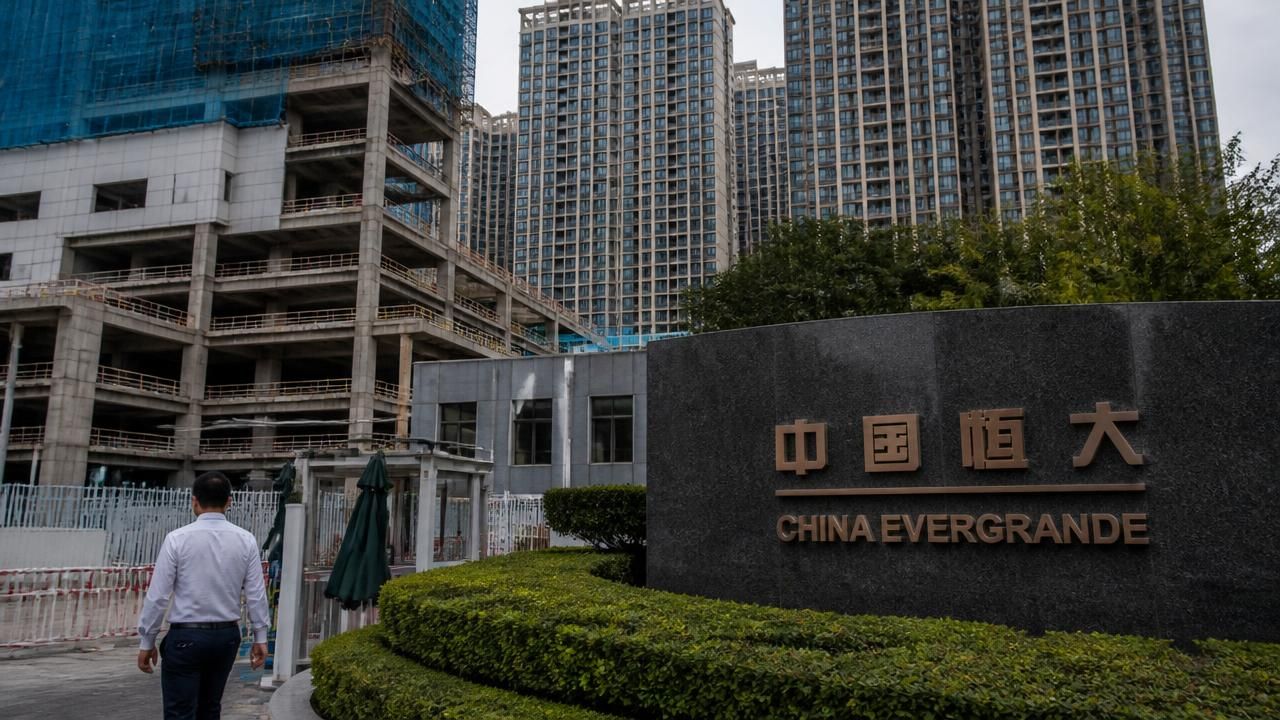
Almost three years after China Evergrande Group entered winding-up, liquidators have recovered less than 1% of the $46 billion creditors are seeking and aim to begin distributing cash in the first half of 2027, Bloomberg reported. The timetable underscores the gulf between the scale of Evergrande’s collapse and what can be salvaged from a sprawling property empire built on debt, presales and offshore borrowing.
Nearly three years after China Evergrande Group began winding up, liquidators have recovered less than 1% of the $46 billion sought by creditors, which they aim to begin distributing in the first half of 2027.
For bondholders and suppliers, the message is sobering: the first meaningful payout remains more than a year away, and even that will be a fraction of claims. The low recovery rate reflects the difficulty of selling unfinished projects, collecting receivables and untangling cross-border claims across mainland China and Hong Kong.
Legal offensive against PwC
In Hong Kong, the court handed liquidators a significant procedural win by ruling they can pursue claims against PwC International and rejecting the global audit network’s attempt to distance itself from its local arm’s work, Reuters and Insurance Journal reported. The decision means PwC International cannot exit the Evergrande case, a ruling that could expose the global network to liability over audits of Evergrande before its default.
Evergrande’s audits were handled by its mainland affiliate, PwC Zhong Tian. PwC International had sought to argue that it should not be drawn into litigation over the local firm’s conduct. The Hong Kong court’s refusal to accept that separation is important beyond Evergrande: it tests whether global accounting networks can be held responsible for member-firm work in major cross-border insolvencies. Law.com and Reuters framed the ruling as a breakthrough for liquidators seeking deeper pockets.
Founder sentenced and onshore liquidation
In Guangzhou, a court opened onshore liquidation proceedings against Evergrande while founder Hui Ka Yan received a life sentence, Law.com reported. The parallel mainland process adds another layer to the wind-up, complicating coordination between Hong Kong liquidators and mainland authorities and raising questions about how onshore assets will be distributed. The founder’s legal troubles also surfaced in Hong Kong, where a court rejected a lawyer’s request to use Hui’s funds for legal costs, Reuters reported.
The dual-track liquidation matters because Evergrande’s assets and creditors are spread across jurisdictions. Hong Kong liquidators can pursue offshore claims, but mainland courts control many of the physical projects and local creditors. Creditors will be watching whether the two processes cooperate or compete.
Asset sales and market attention
PAG is in exclusive talks to acquire a stake in an Evergrande unit, sources said, according to MSN, a potential rare asset sale that could generate cash for the estate. Market attention also focused on Evergrande Property Services Group (SEHK:6666), whose shares moved as investors parsed the latest liquidation and asset-sale headlines. The unit’s separate listing makes it one of the more marketable pieces of the group, though any deal would need to clear creditors and regulators.
Why it matters
Evergrande defaulted in 2021, triggering a crisis across China’s property sector. Its liabilities ran into hundreds of billions of dollars, and its collapse exposed weaknesses in presale models, offshore bond structures and audit oversight. The recovery rate is now a test case for how China handles failed developers and whether foreign creditors can expect fair treatment.
- Creditors face a long wait and deep haircuts, with the first payout not expected until 2027.
- Auditors face greater scrutiny as courts allow claims against global networks.
- Cross-border coordination between Hong Kong and mainland liquidation regimes remains unresolved.
- Asset sales, including the PAG talks, offer rare recovery prospects but at discounted values.
The coming months will show whether the PwC ruling, the Guangzhou process and potential unit sales can lift recoveries above the current dismal level. For now, Evergrande’s creditors have legal momentum but little cash.