India’s silver market is emerging from a policy-induced squeeze. The government has issued a raft of new import permits, easing restrictions that had sharply curtailed shipments into one of the world’s largest silver-consuming economies just as jewelers prepare for Diwali, the busiest buying season of the year.
The move, reported by Bloomberg Markets, marks a turn for a market that had been roiled by import curbs. Reuters reported that India’s silver imports fell to an over three-year low in May after the restrictions took hold. MSN, meanwhile, reported that the curbs created physical shortages and pushed domestic premiums to a six-month high. The combined picture is of a market where policy, not demand, became the dominant price signal.
Why Diwali Matters
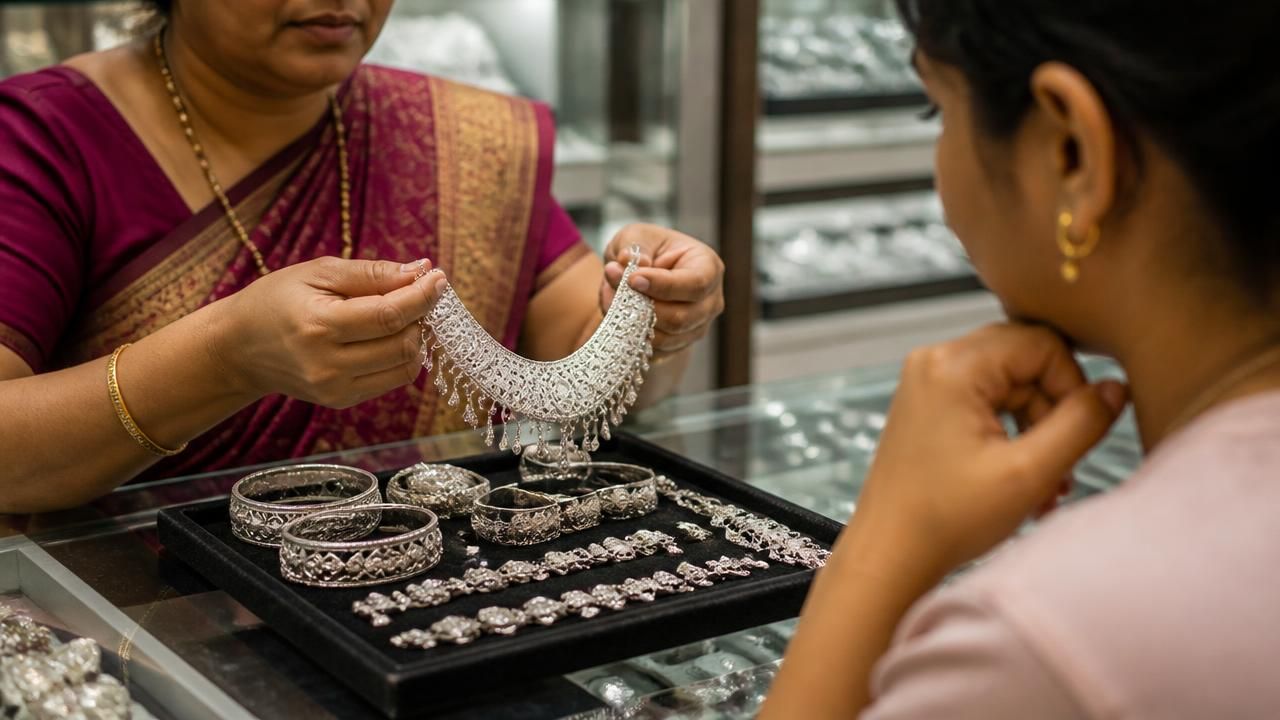
India’s silver demand is deeply seasonal and cultural. Diwali and the wedding season that follows are peak periods for jewelry, gift and investment buying. Silver is also a store of value for households and a working metal for industry. That dual identity makes India unusually important: it is both a major physical consumer and a price-sensitive importer. When import channels tighten, the impact is felt quickly in local premiums, jeweler inventories and the global market’s expectations for Asian demand.
The timing of the permits is therefore critical. Bloomberg reported that the new approvals are intended to allow flows to rebound in time for the jewelry-buying season. If shipments arrive promptly, they could replenish stockpiles that had been run down during the restriction period. That would ease the scarcity that MSN reported and could narrow the domestic premiums that had reached a six-month high.
A Bipolar Week for Silver
The Indian policy shift comes against a volatile global backdrop. Ad-hoc-news.de described silver’s week as bipolar: headlines from Iran talks provided support at times, while India’s import curbs weighed on sentiment. That framing captures the two forces now driving silver. On one side are macro and geopolitical headlines that influence safe-haven and industrial demand. On the other are physical-market bottlenecks in Asia’s largest consumer economies.
Silver’s week was defined by a tug of war: geopolitical headlines lifted the metal, while India’s import curbs dragged on physical demand.
For global investors, the lesson is that silver is not simply a macro trade. It is also a physical market with local rules, logistics and premiums. India’s import regime can move regional prices even when London or New York futures are focused on Federal Reserve policy, the dollar and industrial demand from solar and electronics.
What the Curbs Did
Reuters’s report that May imports hit an over three-year low shows how fast the restrictions bit. Import curbs do not instantly destroy demand; instead, they redirect it. Buyers draw down inventories, pay up for available metal or delay purchases. MSN’s report of shortages and a six-month-high premium is the classic symptom of that adjustment. A premium is the price of scarcity: when import approvals are uncertain, local sellers can charge more over the global benchmark.
- Bloomberg Markets: focuses on the forward-looking relief, with new permits expected to revive imports before Diwali.
- Reuters: documents the damage already done, with May imports at an over three-year low after the curbs.
- MSN: highlights the physical-market stress, including shortages and premiums at a six-month high.
- ad-hoc-news.de: places the story in the global price narrative, where Iran talks and Indian policy pulled silver in different directions.
Each framing is partial but accurate. Bloomberg emphasizes the policy fix. Reuters emphasizes the data confirming the disruption. MSN emphasizes the local market pain. Ad-hoc-news emphasizes the global price context. Together they show how a single administrative decision can ripple from New Delhi jewelry bazaars to international silver pricing.
What Happens Next
The crucial question is whether the new permits are enough to restock the market before peak season. A rebound in imports would be bullish for global silver demand in the short run, but it could also ease local premiums and reduce the scarcity premium that had supported Indian prices. Jewelers are likely to watch approval speeds and shipment logistics closely. If permits translate quickly into delivered metal, festival buying should proceed more normally. If delays persist, premiums could stay elevated and some buyers may substitute gold or delay purchases.
There is also a policy-risk premium to consider. Traders now know that India’s import rules can change in either direction. That uncertainty may encourage higher inventory buffers or alternative sourcing, but it also raises the cost of doing business. For a market as large as India’s, even modest changes in import flows can affect global balances.
For now, the easing of curbs has changed the narrative from shortage to recovery. Silver’s next move will depend on whether that recovery arrives in time for Diwali—and whether global macro headlines, from Iran talks to U.S. rate expectations, help or hinder the physical rebound.