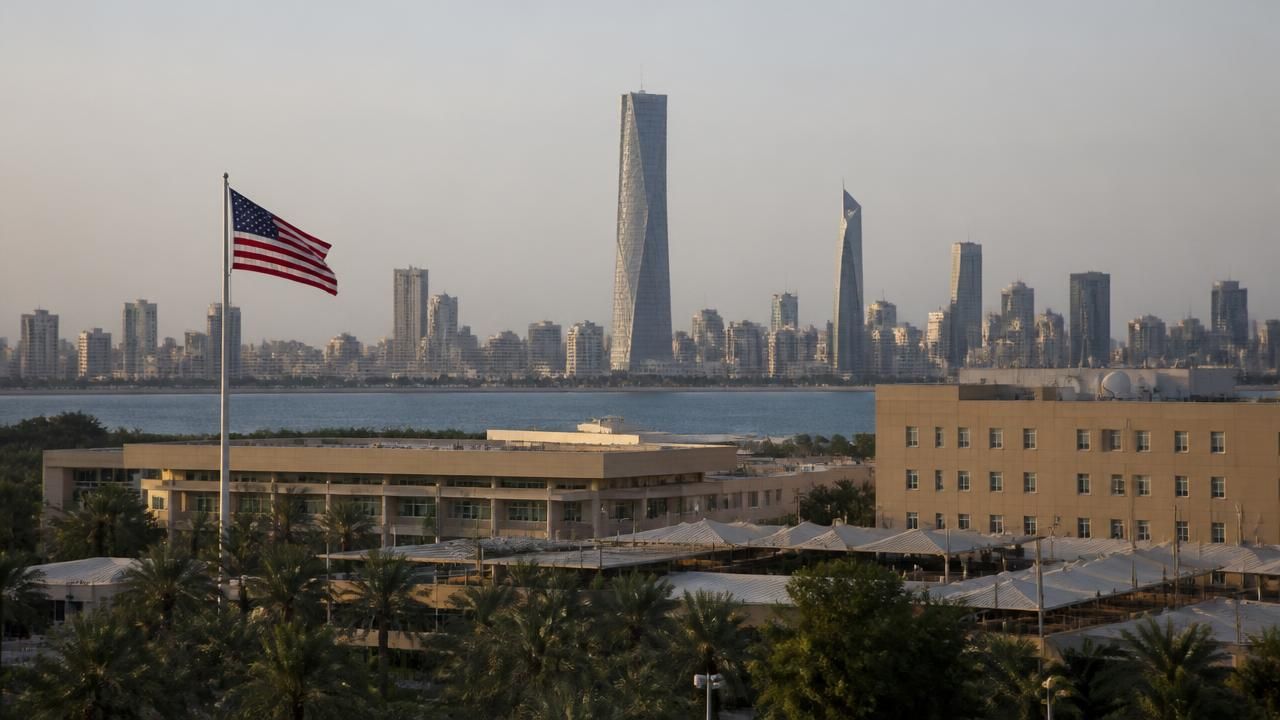
The U.S. State Department has ordered the departure of non-essential diplomatic personnel and eligible family members from its embassy in Saudi Arabia, escalating a security posture that had been steadily deteriorating as Houthi missile and drone strikes on Saudi territory intensify. The decision, confirmed across a wave of international outlets from The Guardian and Bloomberg to regional broadcasters, marks one of the most significant American drawdowns in the kingdom since the Yemen war began.
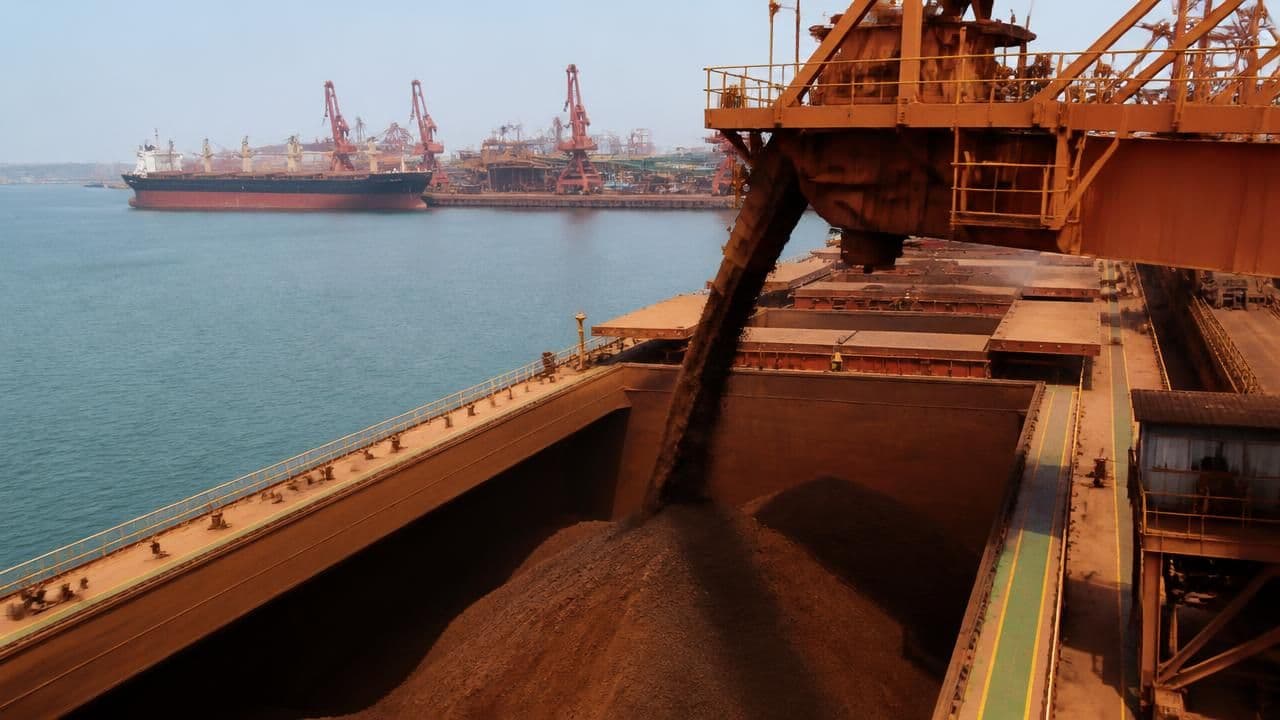
The move was paired with an immediate market reaction: Brent crude topped $110 a barrel, according to Bloomberg Markets, as traders priced in the risk of a wider regional conflict affecting Gulf export infrastructure and Red Sea shipping lanes.
An Ordered Departure, Not an Evacuation
The State Department's action is technically an ordered departure — a formal designation that falls short of a full embassy closure but compels the exit of staff deemed non-essential and of dependents who would otherwise remain in country. Outlets including NTD and Cyprus Mail framed the decision in near-identical terms: some diplomats told to leave, the mission continuing with a reduced footprint.
Coverage diverged on scope. Most reports, including those carried by MSN and SCMP, described a targeted reduction affecting a portion of the embassy's staff and families. At least one outlet, MSN, reported more broadly that President Trump had ordered diplomats to leave embassies across the Middle East, suggesting the Saudi decision may be the most visible piece of a wider regional repositioning rather than an isolated step.
The order authorizes the voluntary departure of eligible family members and the ordered departure of non-emergency U.S. government personnel — the standard mechanism Washington uses when a post is judged too dangerous for a normal diplomatic presence, but not yet beyond salvage.
What Triggered the Order
The proximate cause is a string of deadly attacks attributed to Yemen's Houthi movement. Reporting from SAMAA said Houthi attacks killed four people in Saudi Arabia, with a Pakistani national among the wounded. MSN reported that one person was killed in an attack on Dammam's King Fahd International Airport — a strike on civil aviation infrastructure in the kingdom's oil-rich Eastern Province that carries particular symbolic weight.
Separately, SFGate reported that Riyadh's King Khalid International Airport had reopened to limited traffic following disruption, a detail that underscores how directly the conflict has begun to touch civilian travel nodes in the capital and the east.
Malay Mail reported that the Houthis issued a fresh threat to Saudi airspace after the deadly airport attack — an escalation that, if carried out, would put both commercial aviation and the diplomatic air bridge used by Western missions at risk.
Why Riyadh Struggles to Answer
Among the source material, one question recurred more than any other: why can't Saudi Arabia stop the Houthis' deadly attacks? The answer lies in the economics of asymmetric warfare. Saudi air defenses, built around Patriot and THAAD systems, are optimized for high-value ballistic missile intercepts rather than for swarms of cheap drones and low-flying cruise missiles. Each interception can cost more than the weapon it defeats, and no defensive architecture covers every approach vector across a country roughly the size of Western Europe.
Years of coalition air campaigns against Houthi launch sites, storage depots and command nodes have degraded but not eliminated the group's capacity. Analysts have long noted that the Houthis' dispersed, mobile launch doctrine — often using improvised or commercially derived components — makes sustained suppression difficult, and that strikes on populated areas have hardened rather than broken the movement's political base.
The Iran Dimension
One line of reporting added a more volatile layer. MSN reported that the U.S. was pulling diplomats from Saudi Arabia as it reportedly readies Iran strikes after the midterms — a claim that, if accurate, would recast the diplomatic withdrawal not merely as a precaution against Houthi fire but as preparation for a U.S. military action that could invite retaliation across the Gulf.
That framing is consistent with the Houthis' own posture: the group has repeatedly cast its campaign as inseparable from the wider confrontation with Israel and the United States, and has warned that Gulf airspace could become a target if the pressure continues. Washington has not publicly confirmed any strike planning.
Market and Regional Fallout
- Oil: Brent above $110 a barrel, with risk premiums building on Gulf supply and shipping exposure.
- Aviation: Riyadh's main airport operating on limited traffic; Dammam struck directly.
- Diplomacy: A reduced U.S. footprint limits Washington's ability to manage a crisis from the ground at the moment it may need to most.
- Signaling: Ordered departures are read by adversaries as evidence of anticipated escalation.
The practical consequences extend beyond the embassy walls. A thinner diplomatic presence complicates consular services for the large American business and expatriate community in the kingdom, slows visa processing, and reduces the human intelligence and liaison capacity that underpins security cooperation with Riyadh.
Historically, ordered departures have preceded some of the most serious U.S. engagements in the region — and have sometimes been reversed within weeks. Whether this one becomes the prelude to a wider conflict or a precautionary pause depends on whether the Houthis' airspace threat is carried out, whether Washington's reported Iran contingency moves forward, and whether oil markets treat $110 as a ceiling or a waypoint.
For now, the message from Washington is unambiguous in one respect: the risk to American personnel in Saudi Arabia has crossed a threshold the State Department no longer considers acceptable.