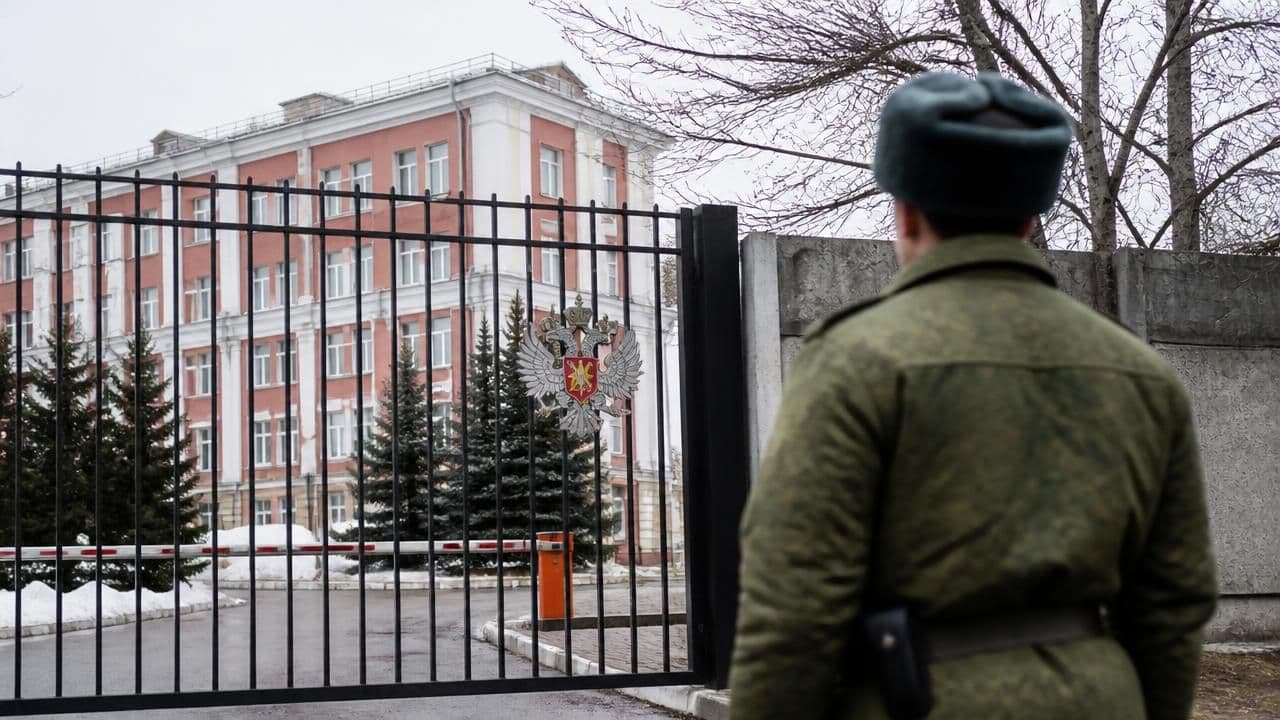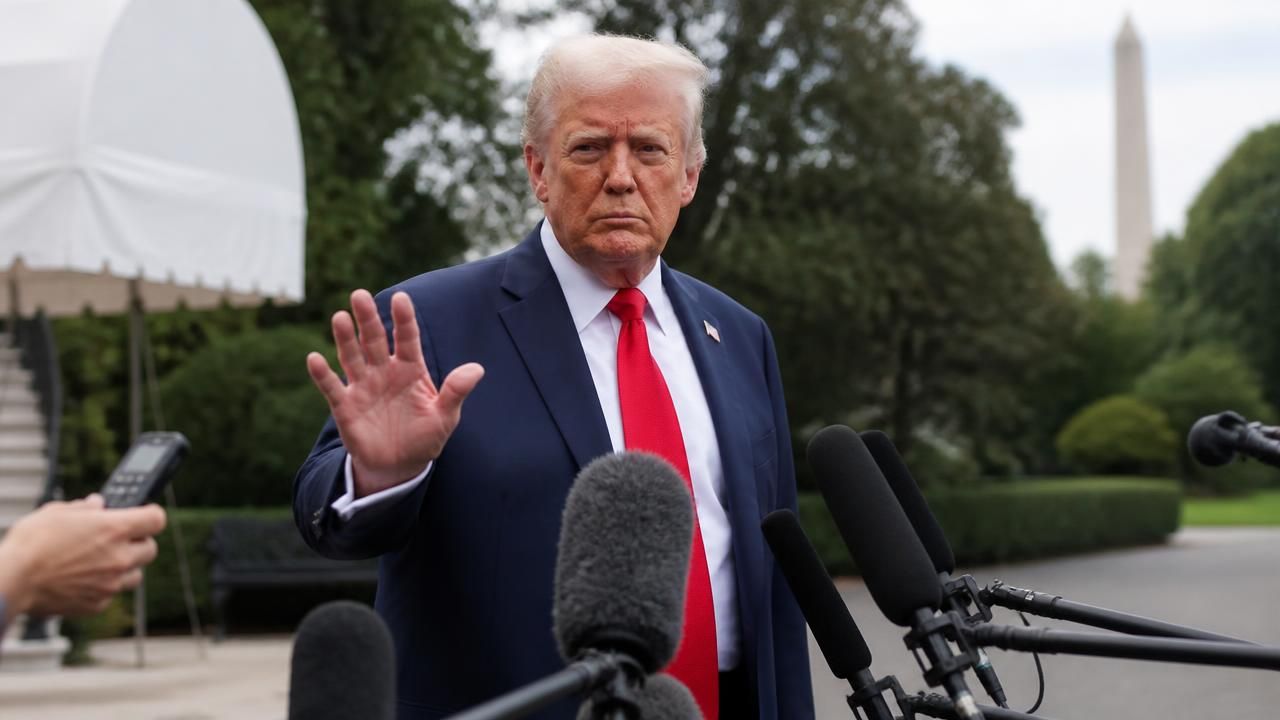
Defense Secretary Pete Hegseth's announcement that the federal government would carry out a firing-squad execution and stream it live ended where it began — with President Donald Trump. The president canceled the event, but the reversal did little to quiet an outcry that had already spread from Capitol Hill to pulpits across the country.
NPR Politics, reporting on the decision, said the original plan drew "reactions of disgust and condemnation from some faith leaders and politicians." The same report offered a complicating detail that may prove more politically consequential than the cancellation itself: within the president's own religious constituency, the proposal was "not an outlier." That gap — between national revulsion and the reception inside a core segment of Trump's base — is where the story's real stakes sit.
A Spectacle, Canceled
The New York Times framed the episode bluntly, describing it as "the latest spectacle" in a presidency that has repeatedly tested the boundaries between governance and performance. The choice of a firing squad — a method with no modern federal precedent — and the decision to broadcast it turned a legal procedure into a media event, and it was that framing, more than the execution itself, that drew scrutiny.
The distinction matters. Opponents of capital punishment objected on moral grounds; critics of the president objected on institutional ones. The two arguments converged on a single question: whether the machinery of state killing should ever be staged for an audience. The White House's answer was ultimately no — but only after the question had been asked in public.
'Take Out' Los Angeles and San Diego
The execution episode did not occur in isolation. MSN reported that Trump's remark about "taking out" Los Angeles and San Diego drew rebukes from both parties — an unusually broad condemnation that cut across the partisan divide. The phrasing, whatever the president intended, landed as a threat directed at American cities and the people in them.
"Only I can make you this promise." — President Trump, renewing a pledge of $5,000 payments to Americans if Republicans win.
That remark sits alongside the cancelation of the execution as evidence of a governing style in which rhetoric operates ahead of policy, and in which the boundary between the two is deliberately blurred.
Cash, Troops and Escalation
Yahoo Finance reported that Trump "re-upped" a pledge to send Americans $5,000 if the GOP wins — a promise delivered in the first person and framed as uniquely his to make. Economists have long questioned the arithmetic of direct-payment proposals of that scale, but the political logic is straightforward: a concrete sum, attached to a single name, offered as a reward for a single outcome.
More troubling to critics is a separate thread. MSN reported rising fears after a leaked document suggested improper use of troops during a chaotic raid. The allegation — that military personnel may have been deployed in a manner outside legal or doctrinal bounds — intersects directly with the execution story, because both concern the same underlying question: what limits, if any, constrain the chief executive's command of force.
Tennessee: A Botched Execution and a Halt
Against that backdrop, a state-level case has taken on national significance. CBS News reported that Tennessee canceled scheduled executions after Christa Pike survived a botched lethal injection. Yahoo, citing new recordings, reported that medical help for Pike was delayed following confusion over a "false" 911 call.
The details are damning in their ordinariness. A protocol failed; a call for help was mishandled; a woman scheduled to die remained alive. Tennessee's decision to pause executions is, in effect, an admission that the state cannot reliably carry them out — a concession that arrives as the federal government was, until this week, preparing to broadcast one.
Gaza: Killings at the Ceasefire Line
Abroad, the Times of Israel reported that the IDF said it killed a suspect who crossed a ceasefire line. The location, however, was reported inconsistently: one account placed the incident in southern Gaza, another in northern Gaza. Both described a single individual shot dead at the boundary of a truce that is, by design, meant to be the most carefully monitored line in the region.
The discrepancy on location is minor; the pattern is not. Armistice and ceasefire lines are where restraint is supposed to be most visible, and each killing at one becomes a test of whether the truce's terms are being honored or merely observed in form.
Why It Matters
- Executive power: The canceled execution, the troop-deployment allegations and the Gaza killings all raise the same question — how much force can a leader authorize, and who checks it?
- Political calculation: The $5,000 pledge and the "take out" remark suggest a strategy built on direct promises and blunt language, aimed at supporters rather than persuadable voters.
- Institutional credibility: Tennessee's execution pause and the federal reversal both reflect systems that proved unable to do what they said they would do.
The canceled broadcast may be remembered less as a restraint than as a rehearsal. The line, as NPR put it, may already have been crossed.