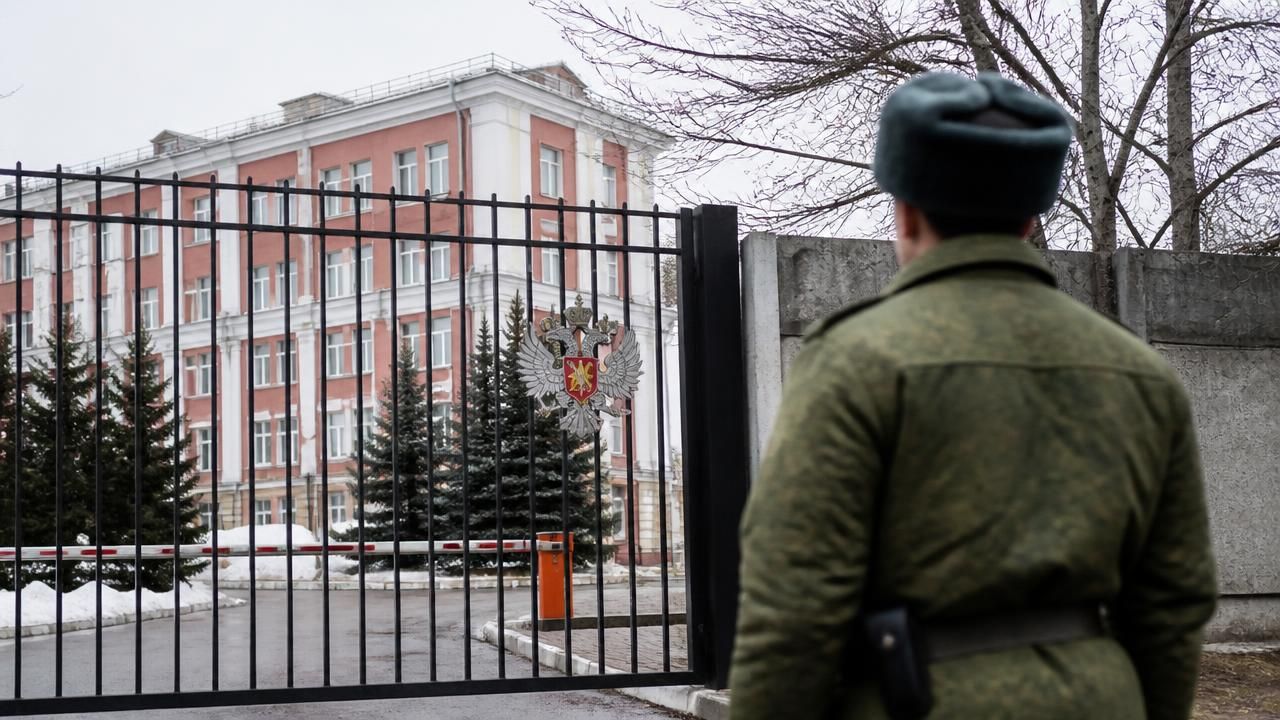
A young researcher at one of Russia's remote anti-plague facilities has died after suffering an unidentified illness, according to multiple reports, setting off sweeping precautions and drawing close attention from the United States. The death, first reported by The Associated Press and subsequently covered by MSN and The New York Times, remains shrouded in unanswered questions: What pathogen, if any, caused the illness? Where exactly did the exposure occur? And why has a single fatality at a secretive laboratory become entangled with high-level diplomacy?
A Death in the Anti-Plague System
The worker was employed at an anti-plague institute, part of a Soviet-era network of research stations that stretches across the former Soviet states. The New York Times reported that the researcher died from an unknown illness and that few foreigners have ever visited the labs, which are known for their secrecy. The facilities were originally built to monitor and combat plague, anthrax, tularemia, and other dangerous infectious diseases, but they have long been a source of fascination and concern for Western biosecurity experts.
Details about the worker's identity, age, and exact job title have not been fully released. Reports describe the victim as a young worker, adding to the sense of a promising life cut short under opaque circumstances. Russian authorities have not publicly confirmed a cause of death or said whether the illness was linked to a laboratory accident.
Precautions and a Plague Scare
In the days after the death, reports emerged of checklists, masks, and heightened monitoring at the facility and possibly in surrounding areas. MSN coverage framed the response as a plague scare, while other outlets cautioned that no diagnosis of plague has been confirmed. The precautions could be routine for any suspected exposure to a dangerous pathogen, but their scope has fueled speculation.
Anti-plague labs operate under strict biosafety protocols. Workers handle live cultures of bacteria and viruses that can cause severe disease. Even in well-funded laboratories, accidents happen. In 2019, a researcher at Russia's Vektor center died after a needle-stick injury involving Ebola, a reminder that high-containment work carries inherent risks. The current case has revived questions about safety standards, oversight, and transparency across Russia's network of biological research sites.
Washington Watches Closely
The United States is monitoring the situation, according to reports, though officials have not publicly detailed their level of concern. American interest in the former Soviet anti-plague system is not new. During the Cold War, the network was part of a vast biodefense apparatus. After the Soviet Union collapsed, many facilities struggled with funding, security, and brain drain. Some were repurposed for public health surveillance; others became partners in international threat-reduction programs.
The timing of the death has also intersected with geopolitics. One report noted that Russia is open to a call between President Trump and President Putin as questions mount over the plague lab death. It is unclear whether the lab case would be discussed in any such call, or whether the Kremlin's openness is related to the incident at all. Still, the mere possibility of a leader-level conversation underscores how quickly a local public-health mystery can acquire diplomatic weight.
Few foreigners have visited these labs, which dot the former Soviet states, and are shrouded in secrecy. — The New York Times
Competing Frames, Shared Uncertainty
Different outlets have emphasized different angles. The New York Times focused on the secretive history and geographic reach of the anti-plague labs, painting a picture of an obscure but strategically significant network. The Associated Press and MSN highlighted the mystery surrounding the young worker's death and the precautions that followed. Other coverage leaned into the phrase plague scare, which may overstate what is known.
Public health experts caution against jumping to conclusions. A single severe illness or death in a laboratory worker does not necessarily mean a broader outbreak, nor does it prove a biosecurity failure. But the lack of official information makes speculation inevitable. The World Health Organization has not issued a public alert, and Russian officials have released few details.
Why It Matters
The case matters on several levels. First, it raises safety questions for the thousands of scientists who work with dangerous pathogens around the world. Second, it tests the limits of transparency in Russia's biological research establishment, which remains largely closed to outside inspection. Third, it adds another layer to already tense U.S.-Russia relations, where arms control, sanctions, and now public health surveillance can become bargaining chips or sources of suspicion.
- Biosecurity: The incident highlights the risk of laboratory accidents and the need for rigorous oversight.
- Transparency: Without official data, rumors and geopolitical narratives fill the void.
- Diplomacy: A Trump-Putin call, if it happens, could put the lab death on a much larger stage.
For now, the central facts remain elusive. A young researcher is dead. A remote facility is under scrutiny. The United States is watching. And Russia has signaled it is open to high-level talks, even as questions multiply. Until Russian authorities provide a credible account of what happened, the mystery at the heart of the anti-plague system will continue to grow.