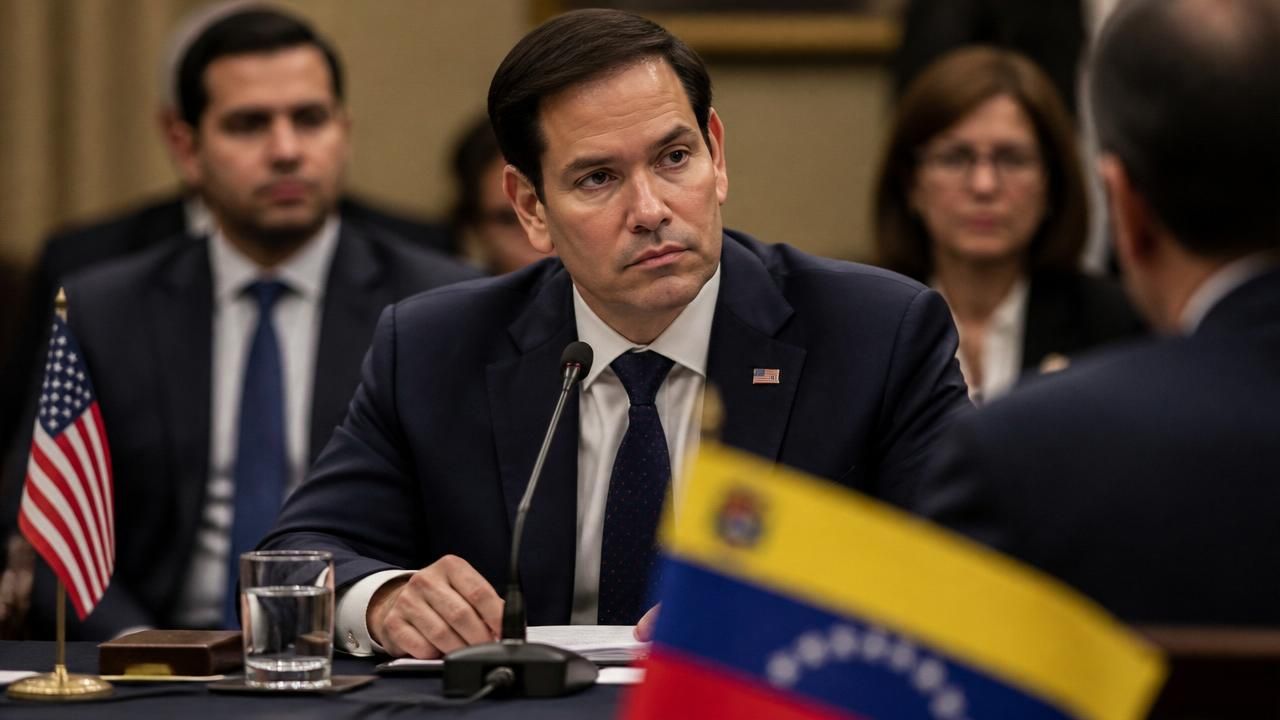
In a striking display of American power under the Trump administration, Secretary of State Marco Rubio has effectively taken control of Venezuela's finances, natural resources, and government operations, according to a New York Times report. This unprecedented level of influence has sparked debate over the U.S. role in Venezuelan affairs, especially after President Trump vowed to 'run' the country following devastating earthquakes.
Rubio's Unprecedented Control
The New York Times detailed how Rubio now oversees Venezuela's financial systems, distribution of oil revenues, and even aspects of its government. This control is a vivid manifestation of American power in the Trump era, with Rubio acting as a de facto administrator. Sources indicate that this arrangement emerged after the U.S. broke a previous diplomatic pact with Venezuela, opting instead for a more aggressive approach to topple President Nicolás Maduro.
According to the Detroit News, Rubio's strategy involved ditching a negotiated settlement and opening the door to regime change. The report, titled 'Marco Rubio's war: How he ditched a Venezuela pact and opened the door to toppling Maduro,' highlights the shift from diplomacy to direct intervention. This aligns with Trump's earlier vow to 'run' Venezuela, a promise that has been tested by recent earthquakes.
Earthquakes and Repression
The earthquakes that struck Venezuela have exacerbated the crisis, with reports of repression turning to rage among the population. The New York Times covered how the government's response to the quakes has been criticized as inadequate, fueling public anger. Meanwhile, Trump's promise to take control of the country's recovery efforts has been met with skepticism. The article 'Trump's Vow to 'Run' Venezuela Is Tested After Quakes' examines the challenges of implementing such a plan.
Venezuelan officials, including Delcy Rodríguez, have pushed back. In a video covered by EURweb, Rodríguez defiantly told Trump that she is not his puppet, signaling resistance to U.S. interference. This tension underscores the complex political landscape in Venezuela, as described by GV Wire, where the government and opposition vie for power amid economic collapse.
Contrasting Perspectives
Different outlets frame the story in distinct ways. The New York Times emphasizes Rubio's sweeping control, while the Detroit News focuses on the abandonment of diplomacy. Politico, in an article titled 'What a Former Trump Official Would Worry About in Venezuela,' raises concerns about the long-term implications of U.S. intervention. The Crisis Group, in 'Venezuela after Maduro: Transaction or Transition?', questions whether the U.S. is seeking a genuine transition or merely a transactional change in leadership.
Meanwhile, MSN reported that Rubio praised Trump in a Venezuela National Day message, highlighting the administration's unity. In another MSN piece, Rubio stated that Venezuela no longer poses the same threat to the U.S., drawing a contrast with Cuba. This suggests that the administration views its efforts as successful in neutralizing the Maduro regime.
Historical Context
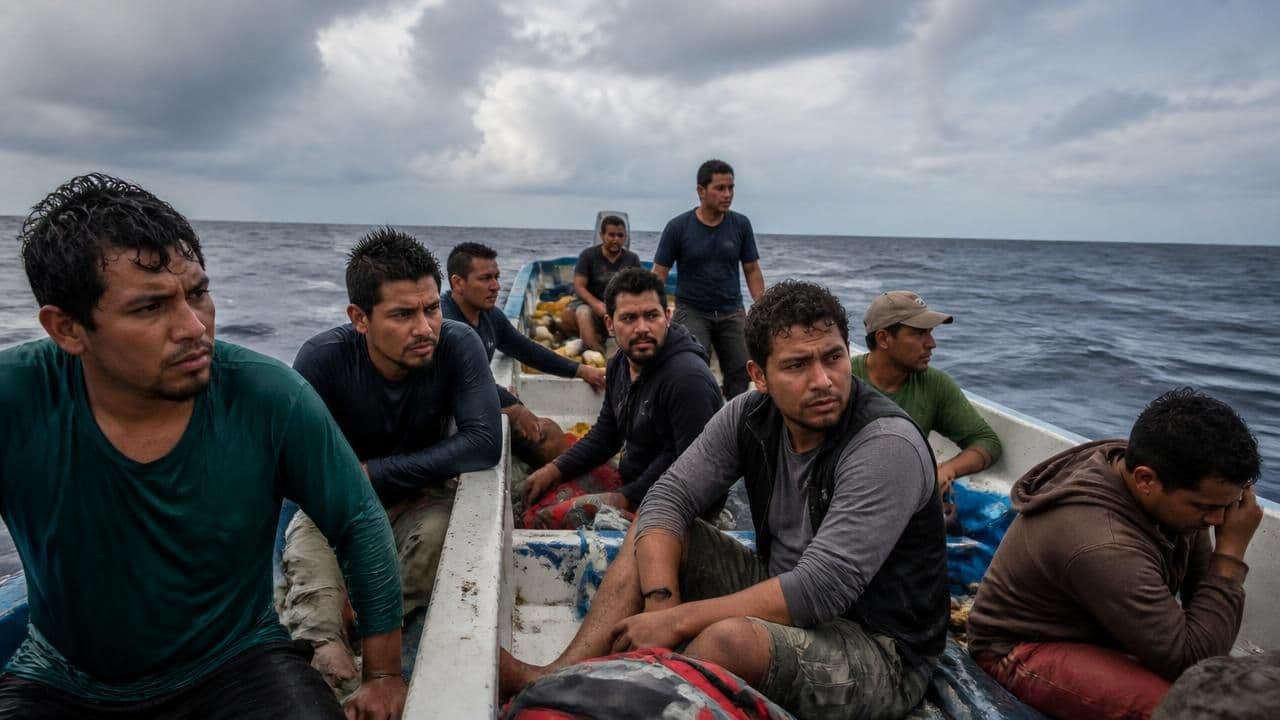
Venezuela has been in crisis for years, with hyperinflation, food shortages, and political turmoil leading to mass emigration. The U.S. has long supported opposition leader Juan Guaidó, but the Trump administration's direct control marks a significant escalation. The New York Times report indicates that Rubio's role includes managing Venezuela's finances, which effectively gives the U.S. veto power over the country's economic decisions.
This level of intervention raises legal and ethical questions. International law typically prohibits one nation from controlling another's government, but the U.S. has argued that it is acting to restore democracy. Critics, however, see it as a neocolonial power grab. The European Union and other international bodies have expressed concern, though they have not taken concrete action.
Expert Views
Experts are divided on the implications. Some argue that Rubio's control is necessary to prevent further suffering under Maduro. Others warn that it could backfire, fueling anti-American sentiment and strengthening the regime. A former Trump official told Politico that the main worry is the lack of a clear exit strategy. 'We're in deep now, and it's not clear how we get out,' the official said.
The situation is further complicated by the earthquakes, which have killed hundreds and displaced thousands. The U.S. has provided aid, but the distribution has been hampered by political tensions. The New York Times article 'Repression Turns to Rage After Quakes in Venezuela' details how the government's mishandling of the disaster has turned public anger against both Maduro and the U.S.
Implications
The long-term implications of Rubio's control are uncertain. If the U.S. succeeds in stabilizing Venezuela, it could be seen as a model for future interventions. If it fails, it could become another quagmire. The Biden administration, should it come to power, may face pressure to continue or reverse the policy.
For now, Marco Rubio remains the key figure in Venezuela, wielding power that is usually reserved for national leaders. As the New York Times put it, 'His grip on the country is a vivid manifestation of American power in the Trump era.' Whether this power will lead to a democratic transition or further chaos remains to be seen.