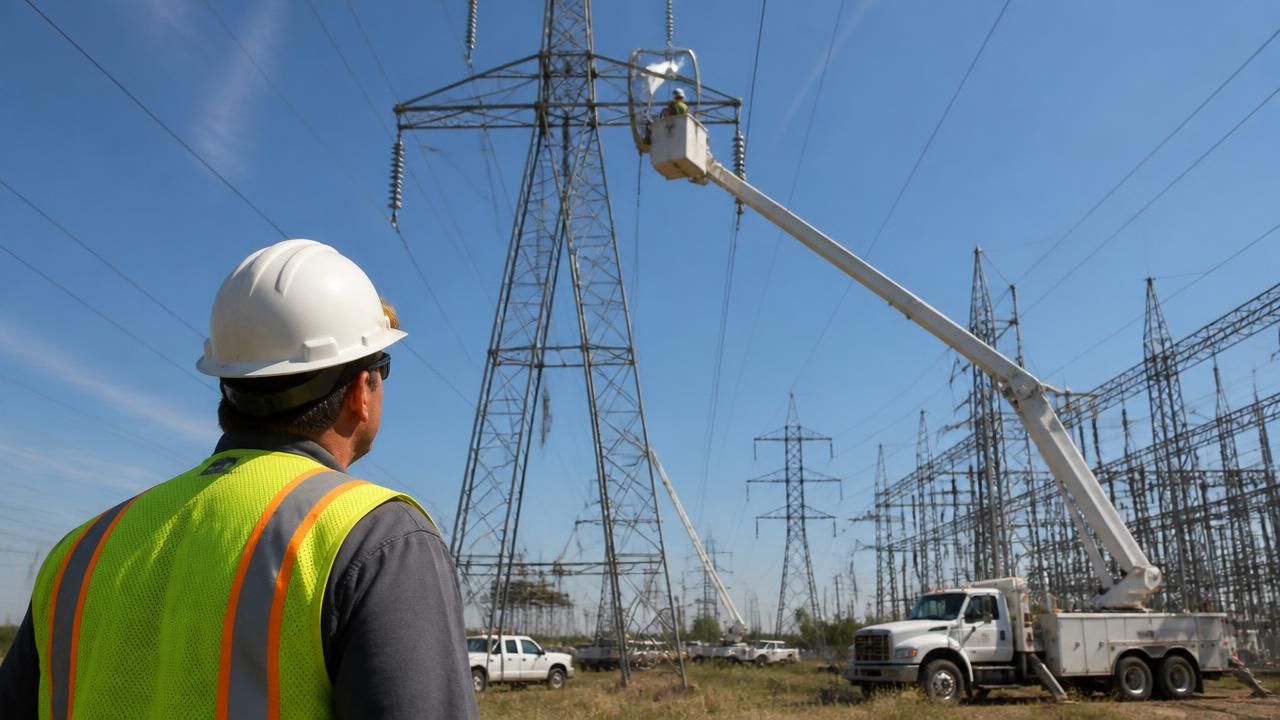
Power supplies are tightening across electric grids that serve roughly one-third of the U.S. population, as a short-lived but intense blast of heat across the Midwest and Mid-Atlantic collides with planned off-season maintenance outages — the first serious stress test of a summer that analysts expect to be defined by record demand, volatile prices and an increasingly power-hungry economy.
The strain is being felt coast to coast. In New York, the state's grid operator has struggled to keep pace with heat-driven load. In Southern California, utilities and public power providers are asking customers to conserve during a dangerous heat wave. And in San Diego, forecasters and grid managers are warning that prolonged triple-digit temperatures inland could push the regional system toward its limits.
A Grid Caught Between Heat and Repair Season
The timing is awkward by design. Spring and early summer are when grid operators traditionally pull large generating units offline for maintenance — work that must be completed before the heart of summer, when every available megawatt is needed. When an unseasonal heat dome settles over a region during that window, the margin between supply and demand narrows quickly.
That is precisely the scenario Bloomberg Markets described: a short-lived blast of heat in the Midwest and Mid-Atlantic hitting grids already operating with reduced capacity because of scheduled maintenance outages. The result is tighter reserve margins, higher spot prices and, in the worst case, appeals for voluntary conservation or emergency demand-response calls.
"Power supplies are tightening on grids that serve roughly one-third of the US population," Bloomberg reported, framing the event as a market signal as much as a weather story.
The framing across outlets differs in instructive ways. Bloomberg treats the episode as a supply-and-demand problem with price consequences. Regional broadcasters such as Fox 5 San Diego emphasize public safety — heat illness, cooling centers, the risk to vulnerable residents. Environmental outlets like Inside Climate News cast the same events as evidence of a grid designed for a climate that no longer exists.
AI's Insatiable Appetite for Electricity
What makes this summer different from those of a decade ago is the demand side. Data centers built to train and run artificial intelligence models are among the fastest-growing sources of new electricity load in the United States, clustering in states such as Virginia, Texas, Ohio and Georgia — many of them served by the same regional grids now straining under heat.
Yahoo News framed the story around exactly this collision: back-to-back U.S. heat waves straining power grids as AI data centers drive record demand. The combination is uncomfortable for utilities, which must plan years ahead for load growth measured in gigawatts while also managing the weather-driven spikes that arrive without warning.
- Weather risk: Heat raises cooling demand while simultaneously reducing the efficiency of thermal plants and transmission lines.
- Load growth: Data centers, electrification of heating and transport, and population shifts to hot states are all pushing baseline demand upward.
- Maintenance risk: Off-season outages leave less slack precisely when an early heat wave arrives.
- Market risk: Capacity prices and wholesale power costs can spike sharply during tight conditions, feeding through to consumer bills with a lag.
From New York to San Diego: Conservation Appeals
The geographic spread of the warnings is notable. Inside Climate News reported that New York's power grid is struggling to handle the heat — a striking admission for a system that has historically been considered robust, and one that raises questions about how the state's aggressive decarbonization targets interact with reliability planning during extreme weather.
The Southern California picture
On the opposite coast, Southern California power providers urged conservation during the heat wave, according to MSN, while Fox 5 San Diego warned that a dangerous heat wave in the San Diego area could place further strain on the grid. The message from utilities is consistent: raise thermostats, shift heavy appliance use to after sunset, and avoid charging electric vehicles during peak hours.
These appeals are a familiar ritual of the modern American summer, but they carry more weight now. Voluntary conservation is the cheapest reliability tool available to grid operators, yet it depends on public cooperation that can erode during multi-day heat events, when people are least willing to turn down the air conditioning.
What It Means for Markets and Policymakers
For investors, the story is a reminder that electricity is no longer a sleepy utility sector. Surging demand from AI infrastructure, constrained supply, and climate-driven volatility are reshaping the economics of power generation, transmission and storage. Capacity markets, interconnection queues and rate cases are becoming front-page financial news.
For policymakers, the pressure points are clear: permitting reform for new transmission, faster interconnection of new generation, and demand-flexibility programs that pay large consumers to curtail usage when the grid is tight.
What to Watch
The immediate question is whether the current heat eases before reserve margins are exhausted. The longer-term question is whether the U.S. grid can absorb both a hotter climate and a more electric economy at the same time. On current evidence — from New York to San Diego — the answer remains an open one, and the margin for error is shrinking with every degree.