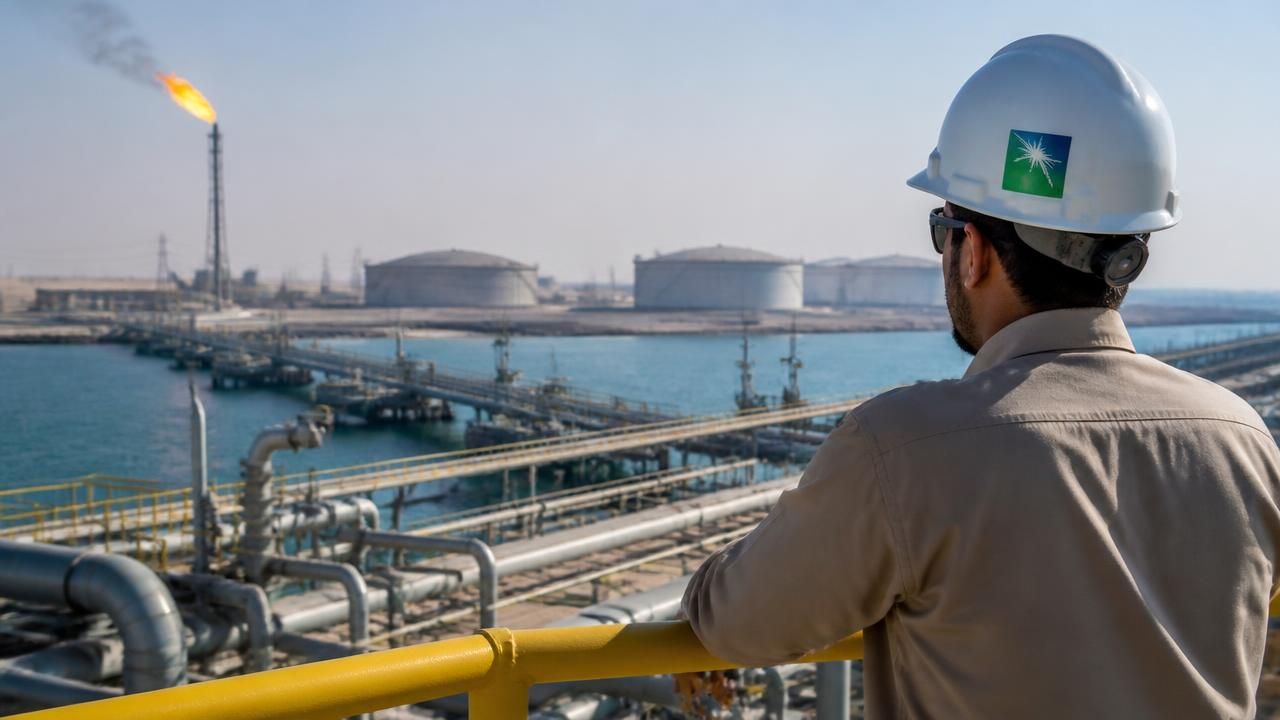
Saudi Arabia has slashed the official selling price (OSP) of its flagship Arab Light crude for Asian buyers to the lowest level in six years, an unexpectedly aggressive move that rippled through global oil markets, widened physical spreads from the North Sea to the Middle East, and reframed the calculus for Asia's biggest refiners.
The cut — the deepest discount to Asian benchmarks since 2020 — caught traders off guard. Reuters described the move as "unexpected," while MSN framed it more bluntly as the kingdom "slashing oil prices to Asia in battle for market share." Yahoo Finance and other outlets noted the Arab Light differential had fallen to its weakest in six years.
A Price Cut Built on Freight, Not Just Politics
According to Amrita Sen, founder of consultancy Energy Aspects, the headline discount is as much a story about shipping economics as about crude supply. Speaking to Bloomberg Television, Sen said the cost of moving barrels east has become prohibitive: "It's costing about $30 per barrel right now to move oil from Hormuz to Asia," she said, adding that "the biggest issue is ship-to-ship" transfers, which have become more complex and expensive as vessels are rerouted and insurers reprice risk.
"It's costing about $30 per barrel right now to move oil from Hormuz to Asia. The biggest issue is ship-to-ship." — Amrita Sen, founder, Energy Aspects
That freight burden helps explain why Riyadh would cut the paper price of its crude: with logistics eating into delivered costs, a lower OSP keeps Saudi barrels competitive against rival grades from Iraq, the UAE, Russia and West Africa, even after transport is factored in.
The Market-Share Logic
The cut is the clearest signal yet that OPEC+ heavyweight Saudi Arabia is prioritizing volume over price. As the producer group unwinds voluntary supply curbs and returns barrels to the market, competition for Asian demand — the world's principal growth center for crude consumption — has intensified. Discounting is the fastest lever available: it protects refinery market share in China, India, Japan and South Korea without requiring a formal change to production quotas.
Analysts have long argued that Riyadh's strategy is to defend its position against non-OPEC supply growth from the United States, Brazil and Guyana, while preventing rival producers from locking in long-term Asian term contracts. A deeper discount strengthens the case for Asian refiners to nominate more Saudi barrels in November loading programs.
The Curious Divergence: North Sea Premiums Hit Records
Perhaps the most striking wrinkle in the story came from the North Sea. Livemint reported that North Sea oil premiums soared to records after the Saudis cut sales — a paradox that reflects how sharply regional physical markets are diverging. If Aramco is redirecting or withholding some barrels from certain markets, competing Atlantic Basin grades can tighten dramatically, pushing differentials to extreme levels even as the headline Brent futures price stays subdued.
Moneyweb captured the cross-currents in a single headline: oil swung to a loss as the depth of the Saudi price cut offset concern over Yemen. In other words, the bearish signal from Riyadh's discounting outweighed a fresh geopolitical risk premium tied to the conflict in Yemen and broader Middle East tensions.
Geopolitics and the Iran Question
The timing is inseparable from regional security. Indian Express carried the pricing news within live coverage of U.S.-Iran tensions, underscoring how closely traders are tracking the risk of supply disruption in the Gulf. Yemen-related attacks on shipping have already scrambled Red Sea transit patterns, driving vessels onto longer, costlier routes and exacerbating the ship-to-ship bottlenecks Sen described.
The result is a market pulled in two directions: geopolitical risk pushing prices up, and Saudi discounting pushing them down. For now, the discount is winning.
What It Means for India
For India — one of the largest buyers of Saudi crude — the cut is a meaningful macro tailwind. Firstpost framed the development around its implications for New Delhi, and the logic is straightforward:
- Lower import costs: Cheaper Arab Light OSPs reduce the landed cost of crude for state refiners such as Indian Oil Corporation and Bharat Petroleum, as well as private players like Reliance Industries.
- Current account relief: A lower oil import bill narrows the trade deficit and eases pressure on the rupee, which has been sensitive to energy prices.
- Refining margins: Softer feedstock costs can support gross refining margins, though a weaker product crack environment could offset some gains.
- Inflation: Cheaper crude, if sustained, feeds through to lower pump prices and freight costs, with knock-on effects for headline inflation.
India's refiners have also diversified aggressively toward discounted Russian barrels in recent years, giving them leverage in negotiations with Gulf producers. Aramco's discount can be read as a direct response to that competitive pressure.
What to Watch Next
Three things will determine whether this is a one-month tactical move or a strategic shift. First, the reaction of other Gulf producers: if Iraq's Basrah grades and Abu Dhabi's Murban follow with deeper discounts, a regional price war becomes self-reinforcing. Second, freight rates: any easing of Red Sea and Hormuz shipping costs would remove part of the justification for the cut. Third, demand signals from China, where economic stimulus measures have yet to translate into a convincing rebound in crude buying.
For now, the message from Riyadh is unambiguous. In a market where supply is rising and demand is uncertain, Saudi Arabia intends to keep its barrels moving — and it is willing to pay, in price terms, to do so.