The rape allegations that emerged from a Cornell University fraternity house have spread far beyond the Ithaca, New York, campus, triggering a national conversation about how universities investigate sexual violence, how they punish those they find responsible, and why so many survivors say the process failed them long before this case made headlines.
The case centers on allegations involving seven men associated with a Cornell fraternity, detailed across newly obtained university documents, texts and investigative records reported by The New York Times, NBC News, MSN and others. Reporting describes a Snapchat post, allegations that a victim was drugged, and an alleged gang rape — details that have circulated widely and prompted protests, petitions and an outpouring of testimony from women across the country.
Seven Accused, Seven Different Outcomes
Perhaps the most consequential revelation is the unevenness of the sanctions. According to reporting by The New York Times and Yahoo News, Cornell's disciplinary outcomes for the seven accused men ranged from expulsion to far lighter penalties, including what were described as “reflection papers” — written assignments in lieu of meaningful punishment.
That spectrum has become the emotional core of the story. Critics argue it exposes a system in which outcomes depend less on the severity of an allegation than on the resources, representation and social capital a student brings to a hearing. MSN reported exclusively that Cornell rarely expels students in sexual assault cases at all, a data point that reframes the expulsions in this case as exceptions rather than the norm.
“I am Jane Doe.”
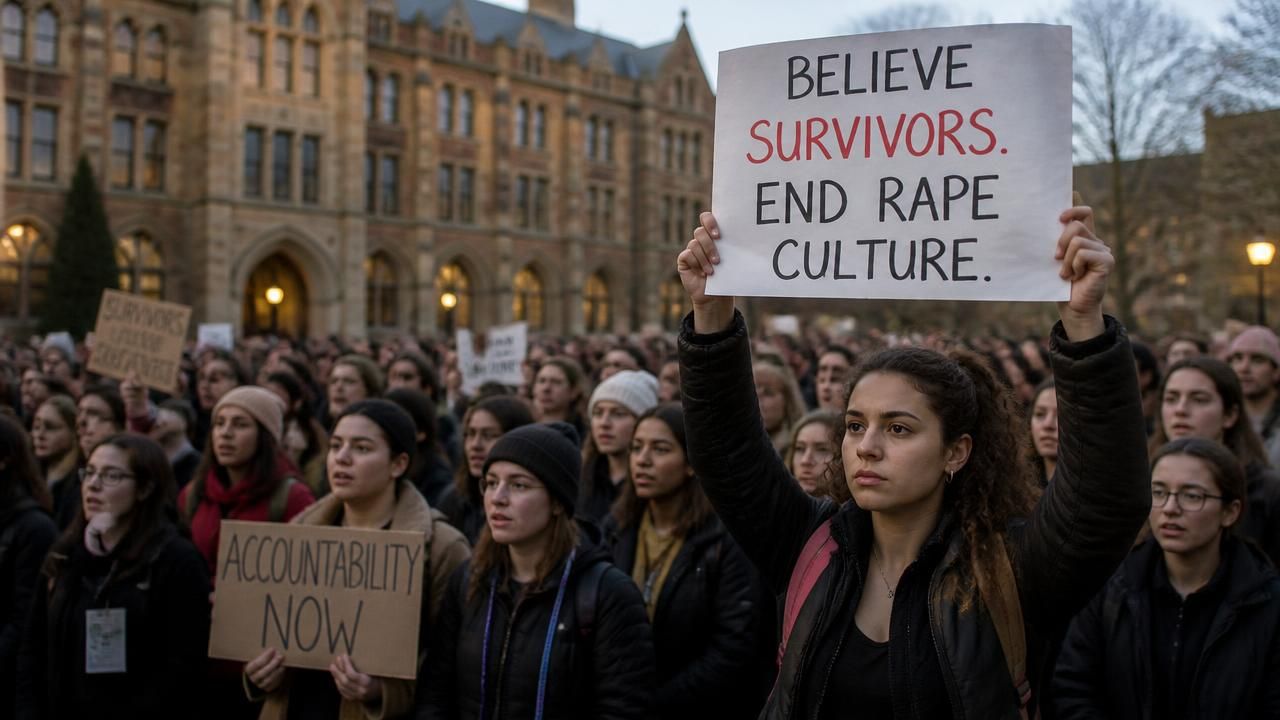
That phrase, reported by NBC News, became a rallying cry as women — many of them Cornell students and alumnae, many from other campuses entirely — began posting their own accounts of assault under the banner. NPR reported that the Cornell allegations are prompting women who have experienced sexual assault to revisit their own experiences and to demand a wider reckoning over sexual violence, not just at Cornell but across higher education.
Title IX, Intoxicated Consent and the Limits of the Law
Legal analysts have zeroed in on New York's intoxicated consent law, which holds that a person incapable of consenting because of intoxication cannot legally consent. How that standard is applied — by campus adjudicators and by prosecutors — sits at the heart of the debate. MSN framed the case as raising fundamental questions about Title IX accountability: whether the federal law, which prohibits sex-based discrimination in federally funded education, is being used as intended or merely as a procedural box to be checked.
Cornell's own climate data complicate the university's defense. NBC News reported that a Cornell survey showed an increase in reports by female undergraduates of nonconsensual sexual contact — evidence that the problem is systemic and not confined to a single fraternity or a single night.
Texts, Documents and Competing Narratives
Newly obtained documents have also surfaced the raw communications between the accuser and the accused. One reported exchange included the line “Leave out the extra 5 billion men,” a reference that has been widely circulated and debated as observers try to parse intent, context and credibility — an exercise that survivors' advocates say too often re-traumatizes victims while scrutinizing their words rather than the conduct of the accused. The New York Times reported on what the documents show about the case, even as the paper's coverage also carried unrelated news, underscoring how thoroughly the story has saturated the national feed.
A Broader Reckoning, From Hockey Canada to LSU
Commentators have drawn striking parallels between the Cornell case and the Hockey Canada sexual assault trial, both of which raise questions about group complicity, institutional protection of high-status men, and the difficulty of securing accountability when multiple defendants are involved. MSN reported that the parallels reveal a shared architecture of silence.
Another thread has been racial. MSN reported that the Cornell 7 and the LSU sexual assault cases together are revealing something distinct about the experiences of Black women, whose reports of assault are frequently met with disbelief, delay or dismissal — a disparity that complicates any simple narrative of progress.
The Overlooked Health Question
Forbes reported that the Cornell case raises an overlooked health question, one tied to the physical and psychological aftermath of alleged drug-facilitated assault: the availability of timely toxicology testing, access to trauma-informed medical care, and the mental health toll on survivors who navigate both a campus hearing and a criminal process. Public health researchers note that the window for detecting many common sedatives is measured in hours, making the response of first responders and campus health services decisive.
What Comes Next
Celebrity attention has added fuel. MSN reported that actor Florence Pugh spoke out about the Cornell case, lending her platform to a debate that has moved from dorm hallways to national television.
What remains unresolved is structural. Universities face renewed pressure to standardize sanctions, to publish outcome data, and to shorten investigations that can stretch for months or years. Survivors' advocates want independent oversight rather than institution-run tribunals. Defense attorneys warn against presuming guilt before adjudication concludes.
For the women who responded to this case with their own stories, the demand is simpler and older than any policy proposal: that they be believed the first time, and that the consequences fall on those found responsible — not on the people who came forward.