Taiwan's top representative to the United States said Washington has privately reassured Taipei that its long-standing policy toward the island remains unchanged following President Donald Trump's meeting with Chinese President Xi Jinping — even as a $14 billion American arms package sits stalled and undelivered.
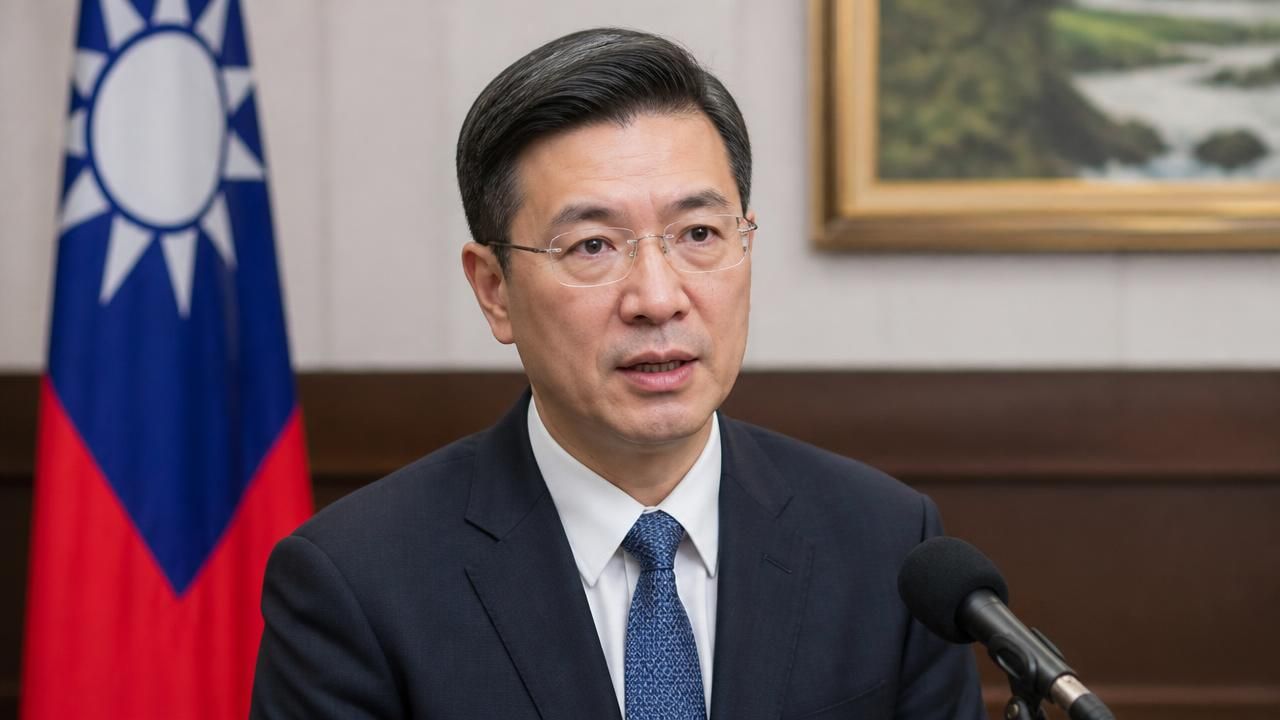
Alexander Yui, Taiwan's Representative to the United States, made the comments in an interview on Bloomberg This Weekend with hosts David Gura and Christina Ruffini, offering Taipei's first detailed public readout of the diplomatic aftermath of the Trump-Xi encounter.
Taipei says the signal from Washington is unchanged
According to Yui, the message from the US side has been one of continuity. Washington has reassured Taipei that its Taiwan policy remains unchanged after the summit, he said, and US officials “very much” understand the island's defence requirements. The envoy's framing was deliberately calibrated: reassurance about policy, paired with an unmistakable push for speed.
“Washington has reassured Taipei that its Taiwan policy remains unchanged” following the Trump-Xi meeting, Yui said, adding that Taiwan wants weapons deliveries to move faster.
The distinction matters. For Taipei, the operative question is not whether American policy has shifted on paper, but whether it is being executed on the tarmac and in the shipyard. A declared policy of support that produces years of backlog carries its own signal to Beijing.
A $14 billion arms package in limbo
At the center of the tension is an approximately $14 billion US arms package for Taiwan that remains on hold. Officials in Taipei describe US arms sales to the island as unchanged in principle, but the stalled tranche has become the most concrete measure of whether rhetoric is translating into capability.
- The headline claim: US arms sales to Taiwan remain unchanged, per Taiwan's government.
- The caveat: A roughly $14 billion package is still frozen, with no public timeline for release.
- Taipei's ask: Faster delivery of already-approved weapons, not just new announcements.
- The backdrop: A Trump-Xi meeting at which Beijing pressed Washington to oppose Taiwanese independence.
The delay is not merely a procurement story. Taiwan's defence planners operate on a timeline shaped by Beijing's military modernization, and every month of slippage widens the gap between the island's inventory and the threat it is preparing for.
Xi's push and Washington's line
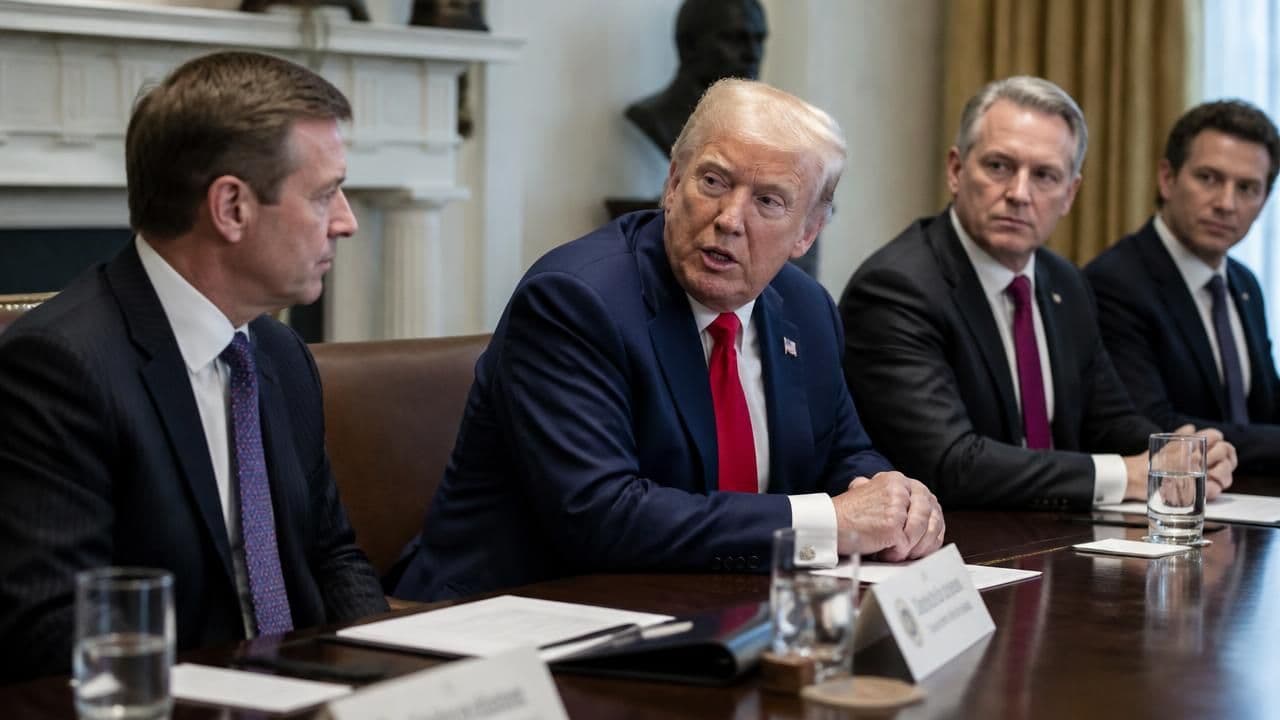
The summit itself was the catalyst for the flurry of statements. According to reporting summarized by outlets including Herald Corp, Xi pressed Trump to oppose Taiwanese independence — a recurring demand from Beijing, which views the island as a renegade province and has never renounced the use of force to bring it under its control.
US officials subsequently drew a line on Taiwan policy, insisting that nothing had changed. That position was echoed publicly by figures including Perdue, who said US policy on Taiwan is unchanged after Xi's visit, according to Livemint. The convergence of voices — from the State Department to Capitol Hill to Taipei's own envoy — reflects a coordinated effort to prevent the summit from being read in Beijing or Taipei as a strategic concession.
Semiconductors and the economic track
Yui also emphasized that Taiwan is deepening its economic relationship with the United States, pointing to major investments in semiconductors and other industries. That economic strand has become inseparable from the security one.
Taiwan's chip industry is the single most consequential piece of leverage the island holds in Washington, and Taipei has leaned into it — framing itself not only as a security partner but as an indispensable node in American supply-chain resilience. For the Trump administration, which has prioritized reshoring and reciprocal investment, that argument has obvious appeal. For Taiwan, it is insurance: the deeper the commercial entanglement, the higher the cost of abandonment.
How the story is being framed
The coverage across outlets reveals subtly different emphases. Bloomberg, working from its own interview, foregrounded the diplomatic reassurance — that US policy remains unchanged — while noting the stalled arms package and Taiwan's push for faster deliveries.
The Hindu, Business Standard, MSN and Newsbytes led instead with the contradiction at the center of the story: sales unchanged, but $14 billion on hold. Taiwan News and Taiwan-based outlets framed it as a post-summit readout — a test of whether Taipei can still trust the American commitment after Trump and Xi met face to face. Livemint highlighted the official Washington line through Perdue, while Herald Corp emphasized the pressure Xi applied on the independence question.
Read together, the framings point to a single underlying reality: the United States is signaling continuity in policy while withholding the hardware that would give that continuity weight.
What to watch
Three indicators will determine whether Taipei's reassurance holds. First, whether the $14 billion package is released — and when. Second, whether delivery schedules for previously approved systems accelerate. Third, whether the semiconductor investment track produces binding commitments rather than announcements.
For now, Taiwan's public posture is disciplined: policy unchanged, understanding acknowledged, patience requested. But in the narrow strait between reassurance and delivery, the clock Beijing is watching does not stop.