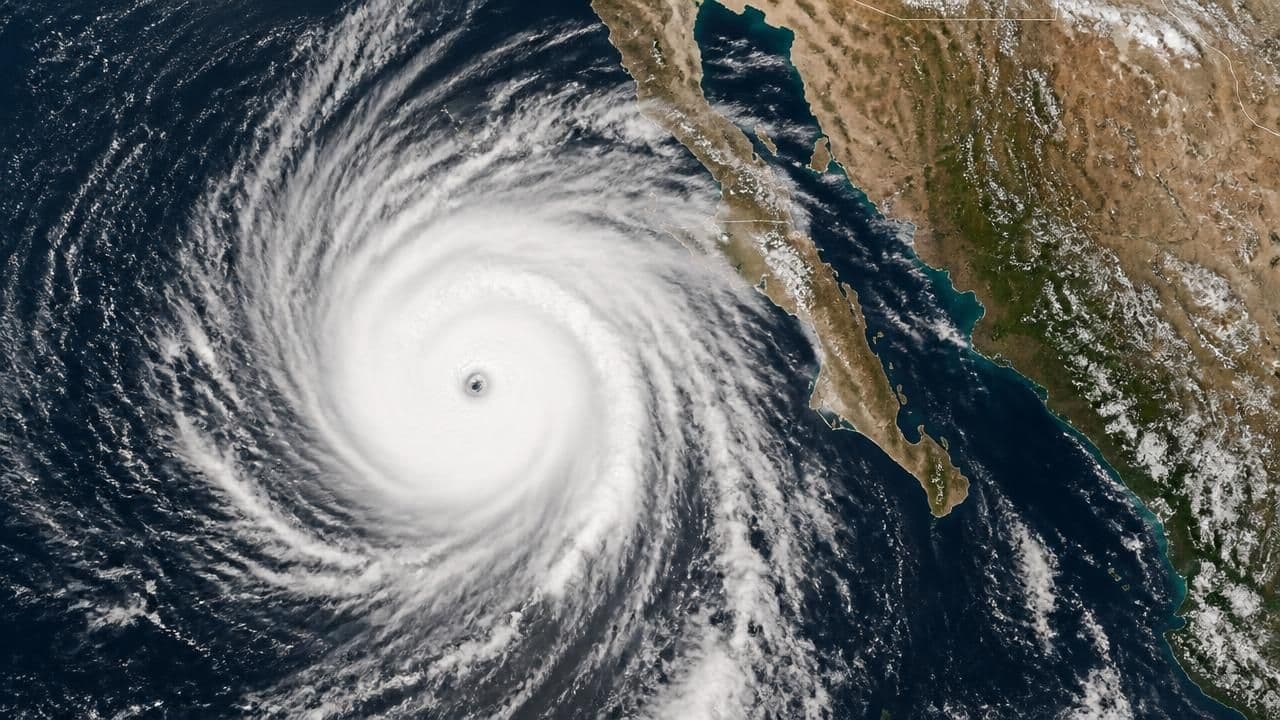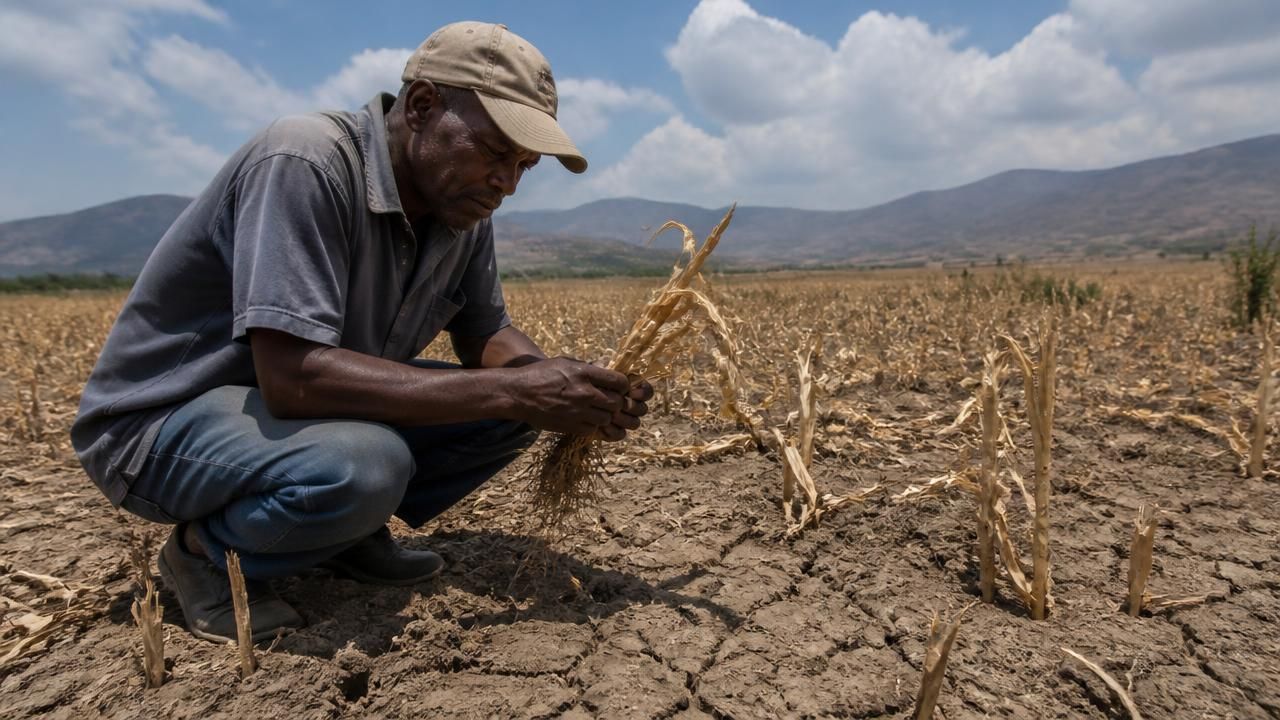
The climate pattern known as El Niño is moving from a weather story to a balance-sheet story. Agricultural economists are warning that the phenomenon — marked by warmer-than-average sea surface temperatures in the central and eastern Pacific — could cut summer crop yields across Southern Africa and push food prices higher, with the pain distributed unevenly across the region's economies.
At the centre of the warnings is Absa AgriBusiness agricultural economist Zama Sangweni, who argues that El Niño's signature rainfall deficits arrive at the worst possible moment for farmers already navigating tight margins, elevated input costs and volatile currency conditions. Sangweni says the pattern could reduce summer crop yields and put upward pressure on food prices, and that more severe weather could reshape regional trade flows as surplus-producing areas are forced to protect domestic supply.
A Regional Shock With Global Reach
The story is not confined to Southern Africa. Coverage of the same climate signal has ranged from the granular to the apocalyptic. The Telegraph India reported that the “worst El Nino on record” threatens global food prices, with Asia bracing for droughts and extreme weather. The New York Post framed the risk in consumer terms, warning that a “Super El Niño” could spike food prices by double digits — and that it could take years for prices to return to normal. The Africa Report attached a headline number to the phenomenon, describing a $14 trillion El Niño climate shock — a figure that captures the cumulative economic cost of disrupted harvests, energy shortfalls and disaster response, not a single season's grocery bill.
Meanwhile, MSN's coverage shifted the lens to human outcomes, asking which countries will suffer most from “Godzilla” El Niño heat deaths — a reminder that the same phenomenon that reprices maize also kills people.
Why Zambia Is Especially Exposed
Sangweni singles out Zambia as a case study in compounded vulnerability, exposed simultaneously through three channels:
- Agriculture: Rain-fed maize production is acutely sensitive to the timing and volume of summer rains.
- Employment: Farming and agri-processing anchor rural livelihoods, so a poor harvest transmits quickly into household income.
- Hydropower: Zambia's heavy reliance on hydroelectricity means drought is not only a food problem but an electricity problem — and, in turn, an industrial and inflation problem.
That triple exposure is what separates a bad agricultural year from a macroeconomic event. When a country loses both crops and kilowatts, it must import food and, often, power, straining foreign exchange reserves and feeding directly into consumer prices.
Food Inflation Returns to the Central Bank Agenda
The most consequential transmission channel may be monetary policy. The Hindu BusinessLine reported that a US analyst believes an El Niño shock could re-price food inflation and central bank policy paths — meaning that expectations for interest rate cuts in emerging markets could be pushed back if food costs spike.
“El Niño could reduce summer crop yields and put upward pressure on food prices.” — Zama Sangweni, agricultural economist, Absa AgriBusiness
That framing matters because central banks typically look through volatile food prices when setting policy. But when food carries a heavy weight in the consumer price basket — as it does across much of Africa and Asia — sustained increases risk feeding into wages and inflation expectations, making them harder for policymakers to ignore.
Farmers Weekly has already begun framing the issue in precisely these terms for South African producers, describing a complicated 2026/27 in which El Niño and inflation interact. That combination — weather risk plus cost-of-living pressure — is a difficult environment in which to plan plantings, secure credit or hedge input costs.
Asia Braces, Africa Watches
El Niño's impacts are geographically uneven. In Asia, the pattern is associated with drought conditions that threaten rice and palm oil output, while parts of South America can see heavier rainfall. For Southern Africa, the risk is typically drier conditions during the critical summer growing season.
The regional trade consequences Sangweni highlights are already familiar from past episodes: exporting countries restrict shipments to protect domestic consumers, importers scramble for alternative suppliers, and prices rise for everyone. Regional trade agreements provide little protection when several member states are hit simultaneously.
The Climate Change Question
A recurring question — addressed by outlets including the World Wildlife Fund — is how El Niño relates to climate change. El Niño is a naturally occurring oscillation, not a climate change effect. But a warming atmosphere can intensify the extremes associated with it, loading more moisture into the atmosphere and amplifying both droughts and floods. In practical terms, that means the same El Niño that produced moderate disruption in the 1990s may produce sharper outcomes today.
What to Watch
The key indicators over the coming months will be the strength and duration of the Pacific signal, the onset and distribution of summer rains across Southern Africa, reservoir levels at hydropower dams, and the speed with which food price increases pass through to headline inflation. If those channels align unfavourably, the effect could be felt not only in farm incomes but in central bank boardrooms, government budgets and household food baskets — a reminder that a phenomenon measured in ocean temperatures ends up measured in grocery bills.