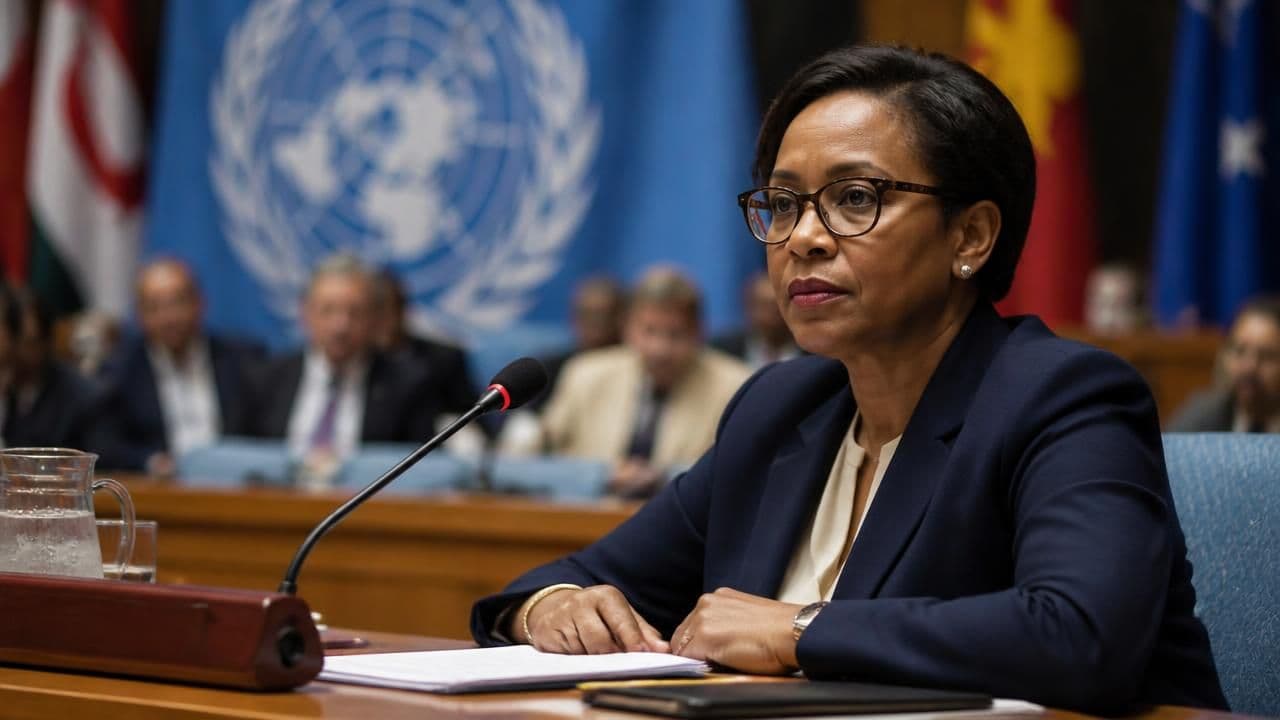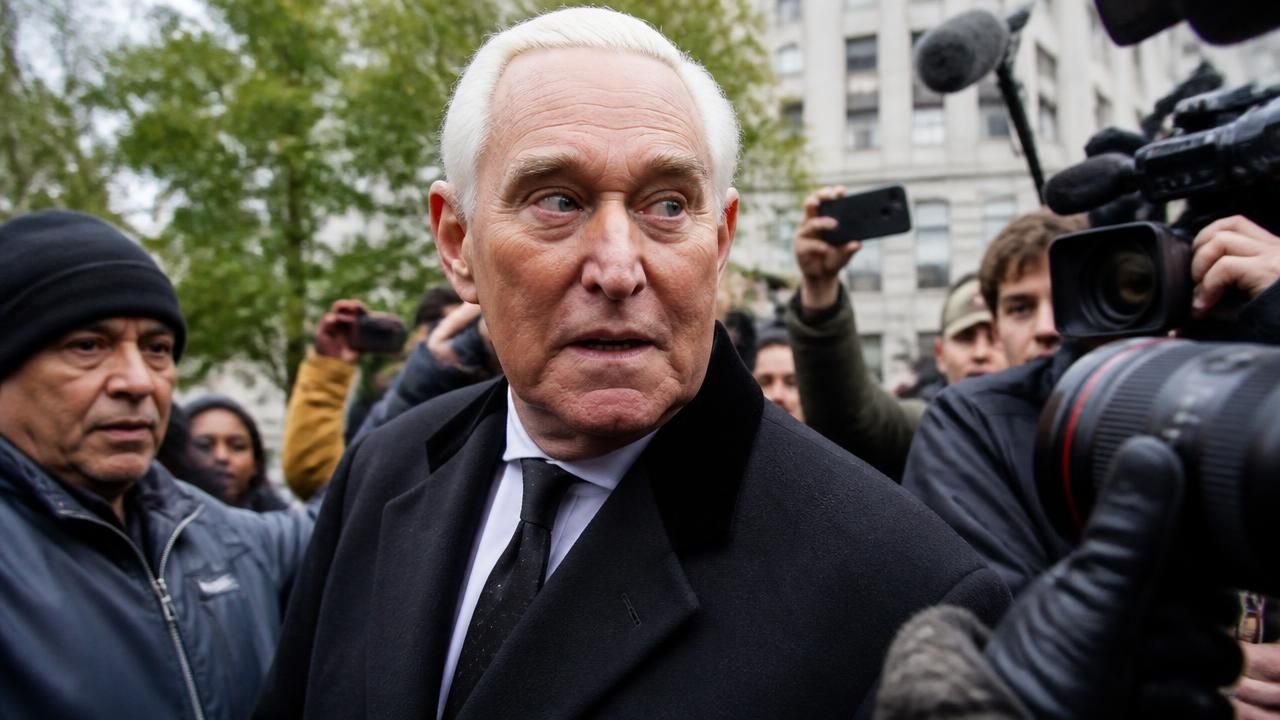
Haiti’s transitional government has turned to one of President Trump’s longest-serving and most polarizing confidants to make its case in Washington, hiring political operative Roger Stone under a contract worth nearly $800,000 — an arrangement signed just weeks after hundreds of thousands of Haitians living in the United States lost their deportation protection.
The deal, first reported by The New York Times and picked up in subsequent coverage, pays Stone roughly $65,000 a month, according to documents reviewed by reporters. Miami-based Haitian advocacy organizations, caught off guard by the disclosure, are now demanding to know precisely what the money buys — and whether a government unable to hold elections at home is spending scarce public funds on access to an administration that has moved to expel its diaspora.
A contract signed in the shadow of a deadline
The timing is the story’s sharpest edge. Haiti signed with Stone weeks after the Department of Homeland Security moved to terminate Temporary Protected Status for Haiti, a designation that has shielded roughly half a million Haitians from deportation and allowed them to work legally in the United States. The termination, announced by DHS Secretary Kristi Noem, was set to take effect within months, though litigation has since scrambled the calendar — much as federal courts and the Supreme Court have intervened in parallel fights over TPS for Venezuela and other countries.
The New York Times, which broke the story, framed the contract as a straightforward transaction: a government facing an existential immigration crisis paying nearly $800,000 for a channel to the president. The Times emphasized the size of the sum and the speed with which it followed the TPS decision. Politico, by contrast, folded the news into its running coverage of Stone himself — treating “Roger Stone’s newest client” as the headline, a wink at a career built on proximity to power. MSN’s aggregation, meanwhile, foregrounded the monthly price tag and the unanswered questions coming out of South Florida: “$65K a month. Miami group wants to know what for.”
Who is Roger Stone?
Stone is a veteran Republican operative whose résumé stretches back to the Nixon era and includes the 2000 Florida recount fight and decades of self-styled “dirty trickster” mythology. In 2019 he was convicted on seven federal counts, including obstruction, witness tampering and lying to Congress, arising from the Mueller investigation. He was sentenced to 40 months in prison, and in December 2020 President Trump pardoned him. Since then he has remained a fixture in Trump’s orbit and a prolific presence in right-wing media.
That history cuts both ways in Port-au-Prince. Stone’s defenders would say he has precisely the asset Haiti needs: a direct line to a president who governs through personal relationships. His critics — including many in the Haitian diaspora — say Haiti is paying top dollar for a convicted felon whose influence is assumed rather than demonstrated, and whose involvement could taint the very relationship the country is trying to preserve.
TPS, elections and a conspicuous silence
Haiti’s political crisis is the backdrop. The country has not held elections since 2016; a Transitional Presidential Council and an interim prime minister are nominally steering the state while armed gangs control large swaths of the capital. Election logistics — with their attendant questions about legitimacy, security and financing — remain unresolved, and the diplomatic silence from Washington during that vacuum has frustrated Haitian officials for months.
Whether the Stone contract signals a shift in that silence is unknown. The administration has not publicly tied any policy reversal to the lobbying arrangement, and there is no evidence in the reporting that TPS or deportations are on the table as a deliverable.
‘What for?’ — Miami demands answers
In Miami, home to one of the largest Haitian communities in the United States, the reaction has been skepticism rather than relief. Community groups and local officials have asked for the contract’s full terms, its stated objectives and who on the Haitian side authorized it.
“The contract is worth nearly $800,000, a document shows,” The New York Times reported — a figure that has become the centerpiece of demands for disclosure in South Florida.
The pushback reflects a broader anxiety. If the money is meant to save TPS, advocates argue, its success or failure is measurable and urgent. If it is meant to buy general goodwill, they say, it is an expenditure a country in crisis cannot easily justify — particularly when the funds flow from a treasury that depends heavily on international donors.
Legal exposure and FARA
Lobbying on behalf of a foreign government generally requires registration under the Foreign Agents Registration Act, and failure to file can carry criminal penalties. Whether Stone’s engagement falls under FARA, and whether he has registered, has become one of the most scrutinized legal questions surrounding the contract. Separately, the arrangement invites questions about disclosure under U.S. lobbying rules if Stone or any affiliated firm also contacts members of Congress on Haiti’s behalf.
What to watch
- Whether Stone registers under FARA and what the filing discloses about his specific activities and contacts.
- How the courts resolve the TPS litigation, and whether the administration’s posture toward Haiti shifts at all.
- Whether Haiti’s transitional government publishes the contract, as Miami-based groups are demanding.
- Whether the arrangement produces any measurable diplomatic outcome — or becomes another data point in the argument that access, not results, is what foreign governments are buying in Washington.