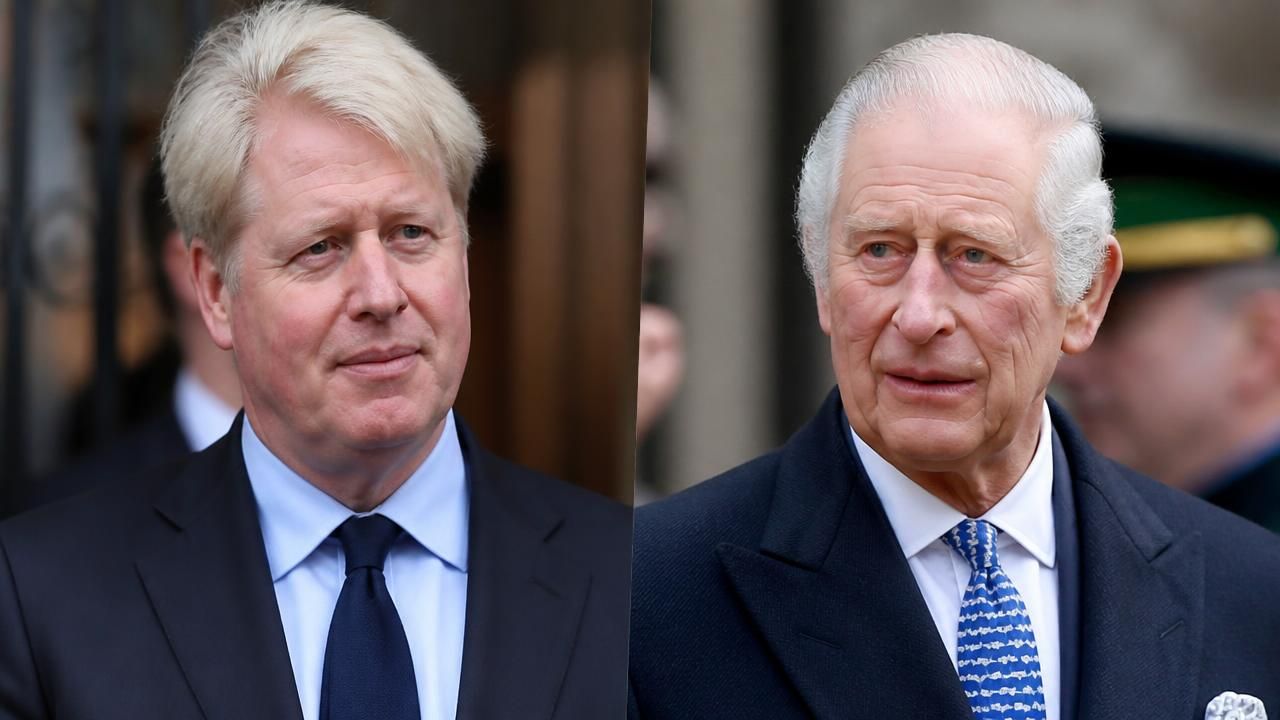
A new book by Charles Spencer, the 9th Earl Spencer and younger brother of Diana, Princess of Wales, has triggered an extraordinary public confrontation with Buckingham Palace, with the Earl accusing King Charles III of trying to “gaslight” him and the Palace issuing a strongly worded rebuttal within hours of the book's release.
The dispute centers on an allegation that the then-Prince of Wales told Spencer, in the days immediately following Diana's death in August 1997, that his sister would be “forgotten.” Spencer repeats the claim in the book and has defended it in a series of broadcast interviews, while the Palace has pointedly rejected the characterization of the King's conduct.
What the Book Alleges
According to accounts of the book circulating across Reuters, NBC News, the BBC and a range of syndicated reports, Spencer describes a tense exchange with Charles in the aftermath of the Paris crash that killed Diana and her companion Dodi Fayed. The Earl also writes that Queen Elizabeth II offered to restore Diana's royal title — which she had lost following her 1996 divorce — during discussions around the funeral arrangements, an offer he says was never ultimately acted upon in the form he understood it.
Spencer has framed the book as a corrective to what he describes as an incomplete historical record of his sister's final years and of the family's handling of her death.
'I'm Telling the Truth'
In a BBC interview that became the centerpiece of the broadcast cycle, Spencer pushed back hard against suggestions that his memory or his motives are unreliable.
“I'm telling the truth,” Spencer said, insisting that his account reflects what he was told and experienced, and that he had weighed the consequences of publishing before going ahead.
The Earl went further in other interviews, telling interviewers he believes he is being “gaslit” by the King — a term borrowed from psychology to describe a pattern of manipulation designed to make a person doubt their own recollection. It is a striking accusation to level at a reigning monarch from within his own extended family, and it set the tone for a week in which the story moved from the books pages to the front pages.
The Palace Response
Buckingham Palace responded with a statement described by NPR and Newsday as unusually forceful, rejecting the book's framing and defending the King's record. The exchange has been widely characterized in British and American coverage as a “war of words” — a phrase that appeared in headlines from MSN's syndication partners to the Daily Mail.
Some tabloid coverage went considerably further, with one headline branding the King a “bellowing buffoon” and framing the episode as a savage personal feud rather than a historical disagreement. That framing contrasts sharply with the more measured treatment from Reuters and the BBC, which have concentrated on what the book actually claims and how the Palace has formally responded.
A Family Split on Display
The story has also drawn in the King's sons. Reports say Prince William has reacted with frustration at the renewed focus on the most painful period in the family's modern history. Prince Harry, meanwhile, has reportedly indicated that he was “aware” of Earl Spencer's book before publication — a detail seized upon by outlets eager to map the competing loyalties inside the royal family.
Harry and Spencer have maintained a visible relationship over the years, including Spencer's attendance at Harry's 2018 wedding and his public remarks at Diana's memorial events. The suggestion that Harry knew about the project in advance is likely to intensify speculation about the state of his relationship with his father and brother, which has been strained since the publication of Harry's memoir and the couple's move to California.
Piers Morgan and the Wider Scramble
The book's release has generated collateral controversies. Broadcaster Piers Morgan has vowed to sue over claims connected to the book's publication, according to Sky News, adding a legal dimension to what had been a purely reputational fight.
At the same time, the renewed global attention on Diana has revived interest in her most famous sartorial moments. A separate strand of coverage has focused on the so-called “revenge dress” — the off-shoulder black Christina Stambolian gown Diana wore in June 1994 on the same evening Charles publicly admitted to adultery — as evidence of her enduring cultural grip nearly three decades after her death.
Why It Matters
At its core, the dispute is about memory and who gets to author it. Diana's death produced a rare moment of national and international mourning, and the decades since have been defined by competing narratives: the Palace's preference for discretion, the Spencer family's sense of grievance, and the British media's appetite for revelation.
- The monarchy's exposure: A sitting King being accused of gaslighting by a peer and former brother-in-law is an unusual reputational problem, even in a reign that has had several.
- The Spencer factor: The Earl has positioned himself as a custodian of his sister's legacy, a role that puts him in structural tension with the institution she married into.
- The Harry question: Any suggestion that the Duke of Sussex was aware of the book reintroduces the family fracture into the story.
- The commercial dimension: Book sales, broadcast ratings and legal threats all now form part of the same media cycle.
Whether the row fades or escalates may depend on the Palace's next move. Its initial statement was firm but stopped short of the sustained rebuttal campaign that would keep the story alive. Spencer, by contrast, has shown every sign of being willing to keep talking — in interviews, on the page, and in a tone that suggests the argument, like Diana's memory itself, is not going to be settled quietly.