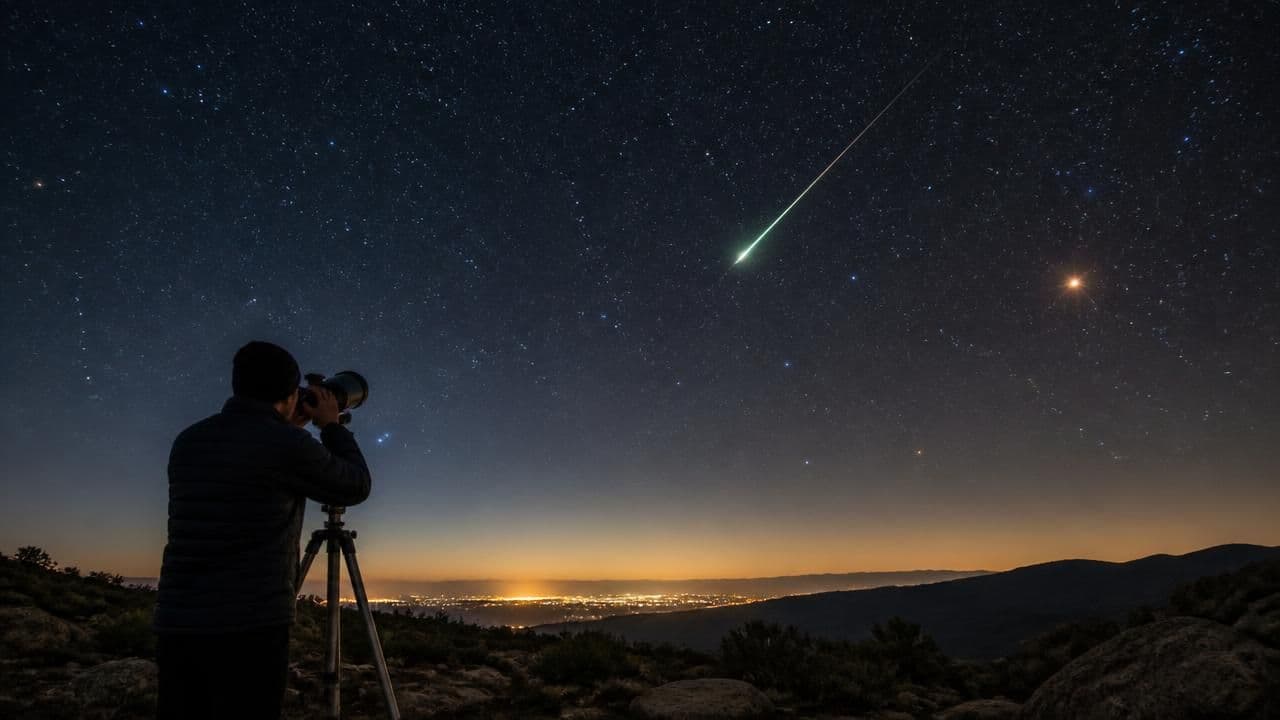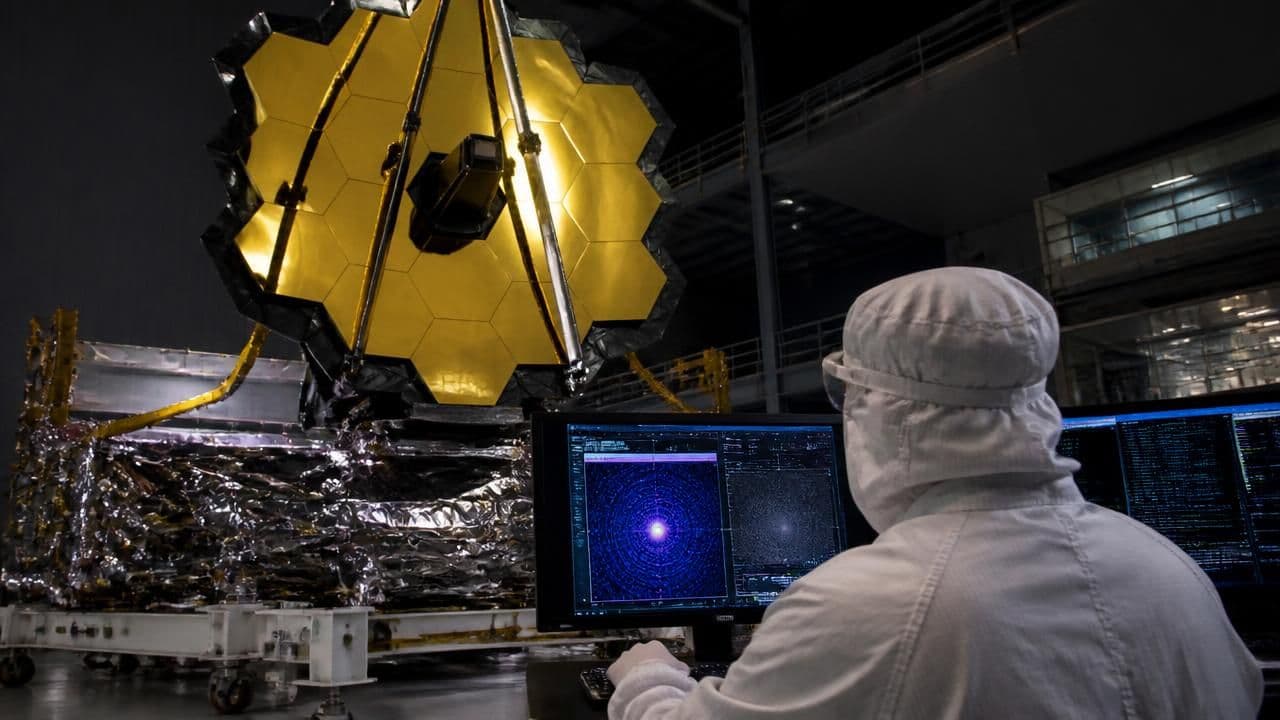
NASA’s Swift Observatory, a 3,200-pound space telescope that was supposed to operate for just two years, has re-entered Earth’s atmosphere over Indonesia after nearly 22 years in orbit, ending a mission that reshaped the study of the universe’s most violent events.
The re-entry was a fiery finale for a spacecraft that far outlasted its design life. Science Daily reported that Swift transformed understanding of black holes, exploding stars and mysterious cosmic outbursts. Originally built for a two-year mission, the satellite kept working for more than two decades, giving astronomers an unexpectedly long run of observations.
A mission that outlived its blueprint
Swift was designed to chase some of the most fleeting and powerful explosions in the cosmos. Its name reflected its ability to rapidly swing around and point at gamma-ray bursts, the brilliant flashes that can signal the birth of black holes or the collision of dense stellar remnants. Over the years, the observatory became a workhorse for multi-wavelength astronomy, coordinating X-ray, ultraviolet and optical observations with gamma-ray detections.
That longevity was not just a technical curiosity. It allowed scientists to build a long baseline of data on black holes, exploding stars and other transient phenomena. Even after the spacecraft’s operational end, its archive remains valuable for researchers who continue to mine old observations for new discoveries.
Failed rescue attempt and re-entry
Coverage of Swift’s end has emphasized different aspects of the story. Science Daily led with the scientific legacy. MSN headlines focused on the dramatic language of a 3,200-pound satellite falling from orbit and on a failed rescue mission. Phys.org reported that a private spacecraft also fell back to Earth after failing to rescue the aging NASA telescope. Sharjah24 summarized the event as a 22-year mission ending with re-entry.
The failed rescue effort adds a commercial-space twist to what might otherwise have been a straightforward tale of orbital decay. A privately led attempt could not save the aging observatory, and the private spacecraft involved in that effort also returned to Earth, according to Phys.org. Details of the rescue attempt were sparse in the immediate coverage, but the episode highlights the growing interest in extending the lives of aging satellites or removing them from orbit.
The re-entry occurred over Indonesia. Most of the spacecraft would have been expected to burn up in the atmosphere, with any surviving fragments falling around the Indonesian archipelago. The source accounts did not specify a debris recovery or report damage, but the event inevitably raised questions about where debris could land and how much of a large satellite survives re-entry.
Why Swift mattered
Swift’s scientific impact is difficult to overstate. The mission was built to answer fundamental questions about the most energetic explosions in the universe, and it did so while adapting to new mysteries. Its rapid-response design allowed astronomers to study events that fade within seconds or minutes, turning fleeting signals into detailed puzzles.
Originally designed to last just two years, the pioneering space telescope transformed our understanding of black holes, exploding stars, and mysterious cosmic outbursts.
- Gamma-ray bursts: Swift helped astronomers trace these flashes to distant galaxies and study their afterglows across multiple wavelengths.
- Black holes: The observatory monitored the environments around stellar-mass black holes and supermassive black holes, capturing outbursts as matter fell inward.
- Stellar explosions: It provided key data on supernovae and other explosive deaths of stars.
- Rapid response: Its ability to slew quickly made it a global asset for follow-up observations of cosmic transients.
How the story was framed
The differing headlines reveal how the same event can be packaged for different audiences. Science Daily emphasized discovery and legacy, framing Swift’s fall as the end of a pioneering mission. MSN leaned into spectacle and risk, with headlines about a fiery finale, a 3,200-pound telescope and a failed rescue mission. Phys.org put the private spacecraft and the failed rescue at the center of its account. Sharjah24 offered a concise summary of a 22-year mission ending with re-entry.
Those frames are not contradictory so much as complementary. Swift’s re-entry is at once a scientific milestone, an engineering cautionary tale and a commercial-space story. The telescope’s legacy is secure in its data, but its final plunge also underscores a practical reality: what goes up must eventually come down, and the growing population of aging satellites will make rescue, removal and debris management increasingly important.
What happens next
Swift itself is gone, but its observations remain. Astronomers will continue to use its archive to study gamma-ray bursts, black holes and stellar explosions, and future missions will build on the questions Swift helped sharpen. The failed rescue attempt may also inform debates about how to service or dispose of spacecraft in orbit.
For now, the immediate story is one of closure: a telescope that was meant to last two years survived nearly 22, rewrote textbooks and finally returned to Earth in a fiery streak over Indonesia.