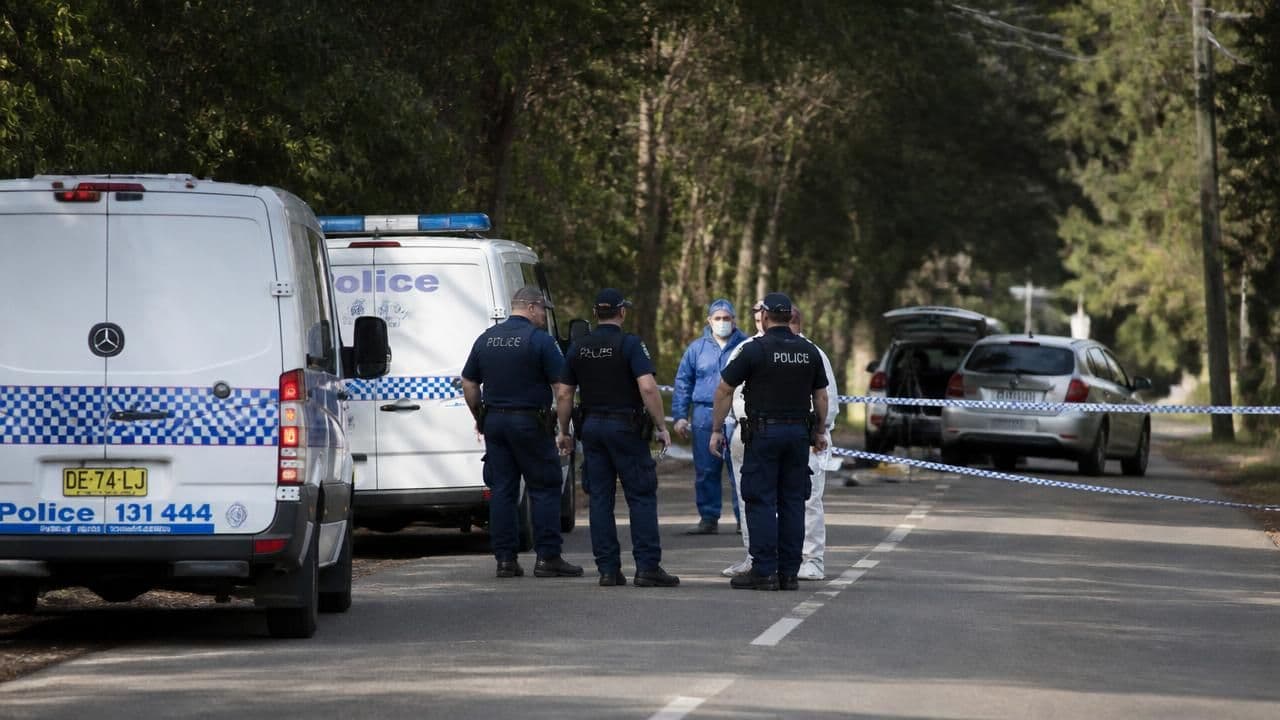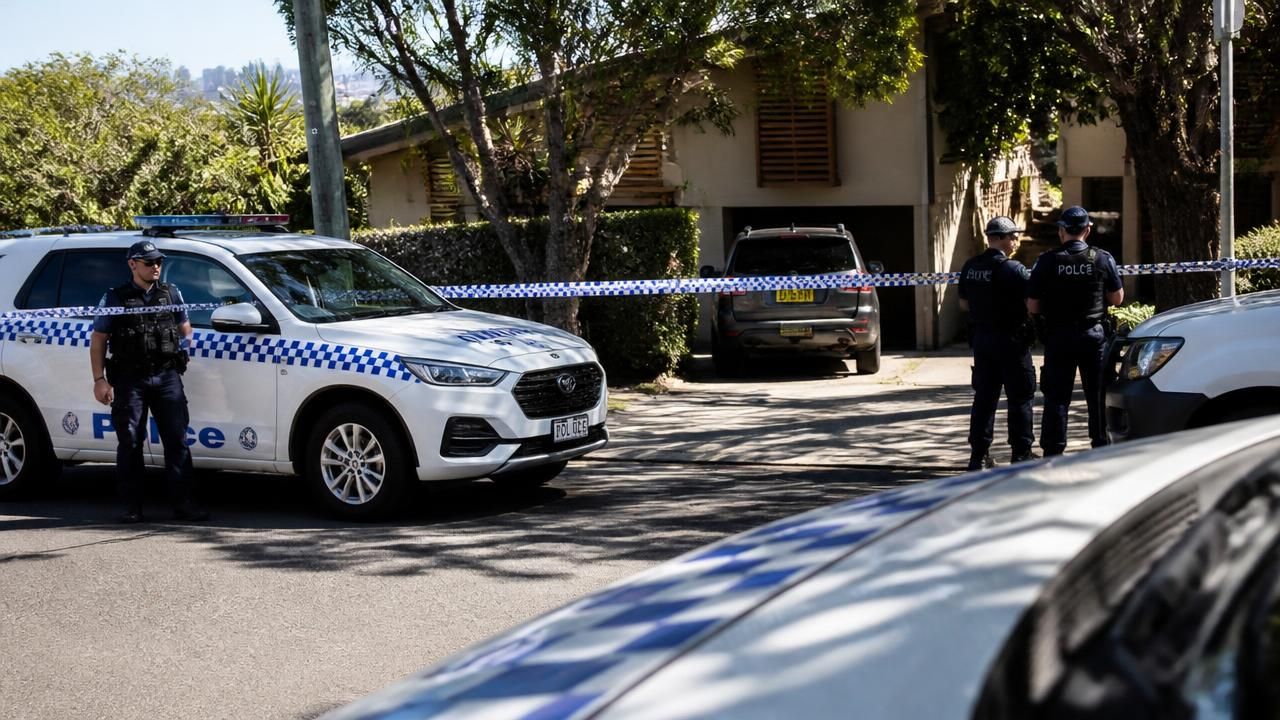
Three men have been charged with domestic violence-related murders after three women were killed in separate incidents across New South Wales on Saturday, deaths that unfolded within roughly ten hours of one another and spanned the state from Sydney's eastern beaches to the Riverina and the Northern Tablelands.
The victims were a woman in her 90s, killed inside a unit at Bondi Beach; a 23-year-old woman in Wagga Wagga; and a woman in her 70s in Mole River, near the Queensland border. Police have characterised each death as domestic violence-related, meaning the alleged perpetrators were known to the women — a pattern that has become grimly familiar in Australia, where intimate-partner and family violence accounts for a substantial share of female homicide victims.
The charges and the first court appearance
Sergei Mitnik appeared in a bail court on Sunday, hours after being charged with the murder of the elderly Bondi Beach woman, according to the Guardian. He did not apply for release, meaning he will remain in custody while the case proceeds through the courts. The two other men charged in connection with the Wagga Wagga and Mole River deaths had not, as of the reporting, been publicly identified. All three are presumed innocent until proven otherwise.
The compressed timeline — three alleged killings in a single day, in three geographically distant communities — gave the story unusual force in Australian media, where coverage of domestic violence homicides has intensified sharply over the past two years.
Three women died within hours of one another in three different parts of one state — a clustering that turned a set of individual tragedies into a single, unavoidable national question.
A premier speaks out
New South Wales Premier Chris Minns addressed the deaths publicly, a decision that underscored how politically charged the issue has become. Australian state and federal leaders have faced sustained pressure to treat violence against women as a national emergency rather than a matter of private misfortune, following large-scale protests and a wave of advocacy campaigning that peaked in 2024.
Minns's intervention reflects a broader shift in how governments now respond to such clusters: not merely as police matters, but as failures of prevention, housing, policing and court systems. The New South Wales government has previously pointed to bail-law reform, expanded funding for frontline services and the rollout of domestic violence-specific court processes as evidence of its response — measures that critics say have yet to translate into measurable reductions in the death toll.
How the story was framed
Different outlets approached the same set of facts from markedly different angles. The Guardian led with the mechanics of the criminal justice system — the charges, the bail hearing, the specific locations and ages of the victims — situating the deaths inside a documented pattern of domestic violence-related killings. Broadcast and aggregator coverage, including reports syndicated through MSN, foregrounded the raw shock of the numbers and the political reaction, with headlines emphasising that three women had allegedly been murdered in ten hours.
International outlets, including Turkey's İLKHA news agency, treated the deaths primarily as a window onto Australian society, framing the killings as evidence of a domestic violence problem significant enough to warrant coverage well beyond the country's borders. The divergence is telling: domestic Australian coverage is increasingly forensic and policy-focused, while overseas framing tends toward the emblematic.
Context: a crisis measured in funerals
Australia has one of the higher reported rates of intimate-partner homicide among wealthy nations, and advocacy groups have for years compiled running tallies of women killed by violence — counts that regularly exceed one death per week. The 2024 killing of several women in high-profile attacks triggered national rallies and prompted the federal government to announce new funding commitments, including measures targeting perpetrator behaviour, crisis accommodation and online misogyny.
Yet the structural drivers remain stubborn. Frontline services report being overwhelmed; waitlists for crisis housing routinely outrun supply; and women in regional and remote areas — like Wagga Wagga and Mole River — face acute disadvantages in accessing police, courts and refuges. Older women, including those over 70, are a frequently overlooked cohort, with research suggesting they are less likely to be identified as being at risk and less likely to seek help.
What happens next
All three matters will proceed through the New South Wales court system, where the men charged will have the opportunity to enter pleas and contest the allegations. Police have indicated investigations are continuing into the circumstances of each death.
- Bondi Beach: A man, Sergei Mitnik, charged with murder; did not apply for bail.
- Wagga Wagga: A 23-year-old woman killed; a man charged with domestic violence-related murder.
- Mole River: A woman in her 70s killed; a man charged with domestic violence-related murder.
The immediate political question is whether Saturday's deaths will accelerate reform or merely add to an accumulating record of promises. For the families involved, the cases now move into the slower, less visible grind of the courts — while the broader debate over how Australia protects women in their own homes remains, once again, unresolved.