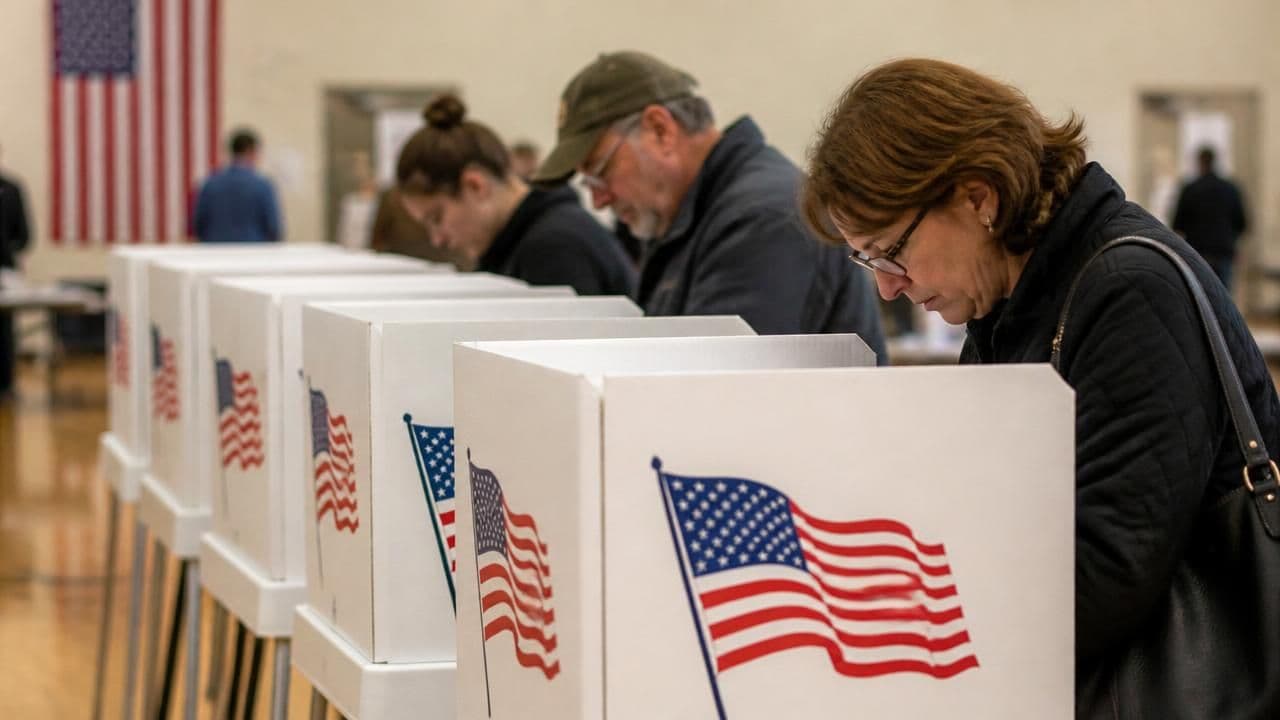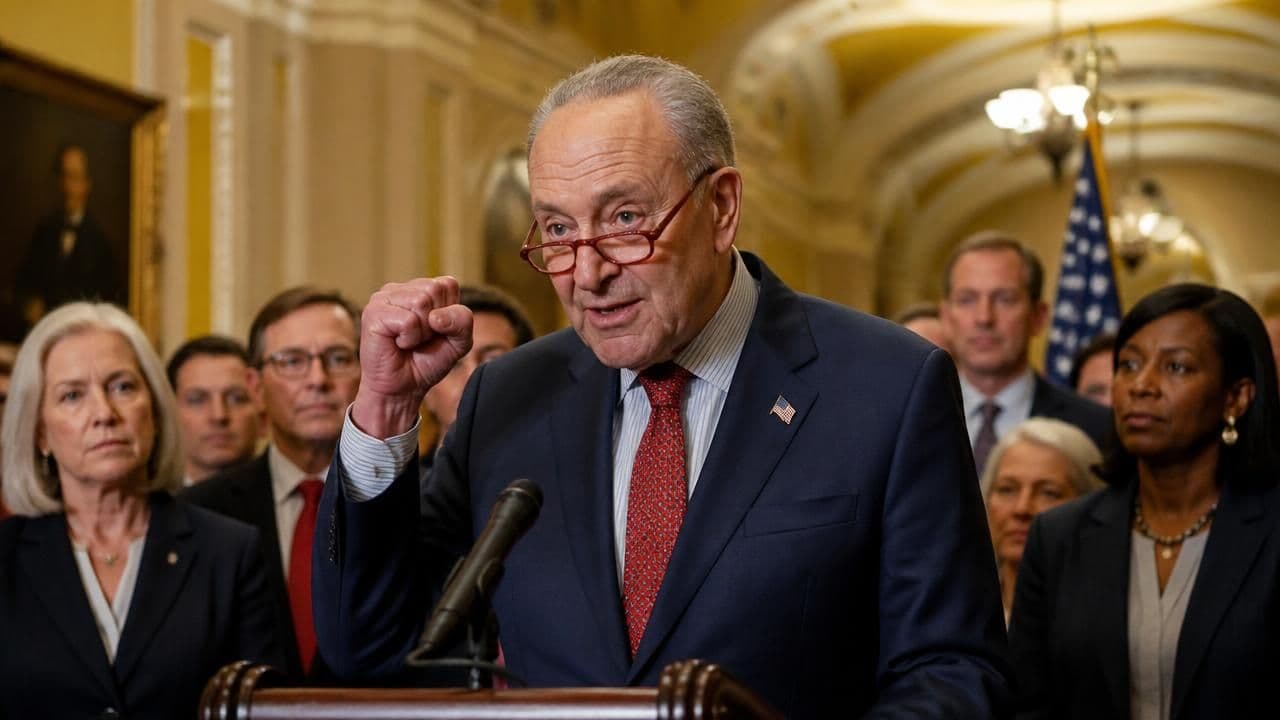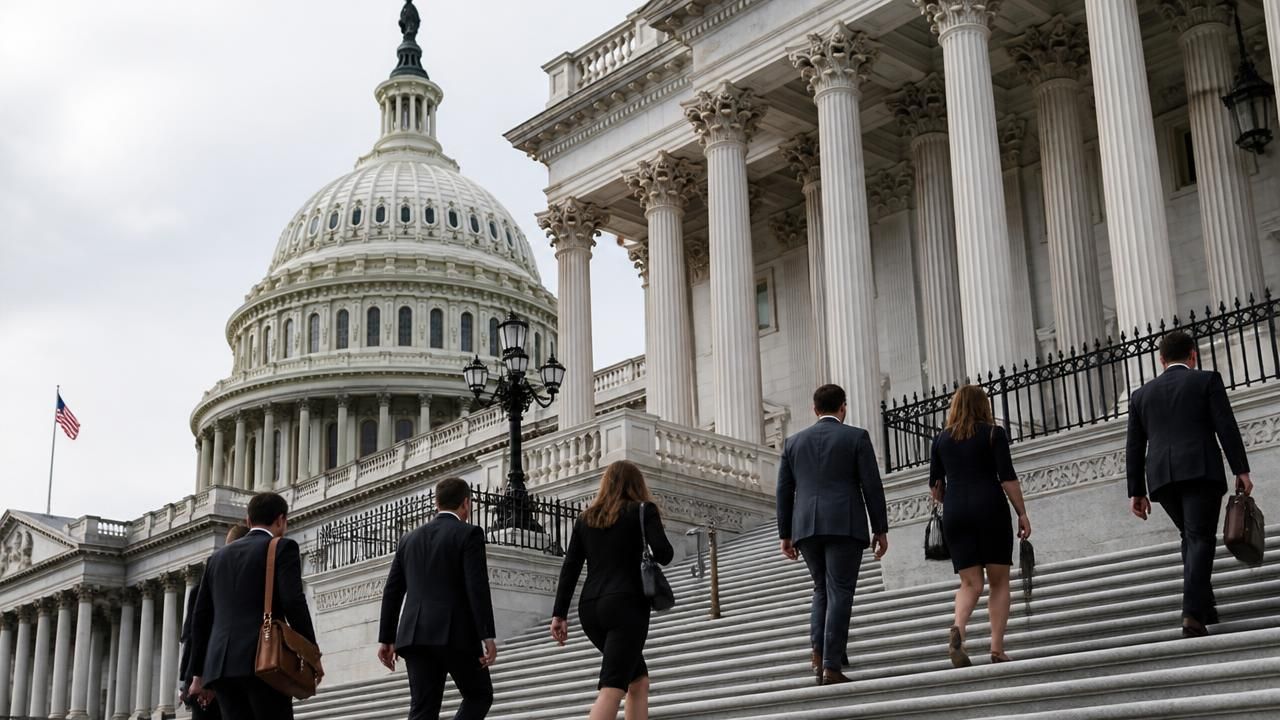
Democrats have won control of both chambers of Congress, riding a midterm wave built on two intertwined promises: to make American life more affordable and to confront what the party calls a culture of corruption in Washington. Now, with the votes counted and the gavels about to change hands, the party faces the more difficult question that has haunted every opposition movement that suddenly becomes a governing one—whether campaign rhetoric can survive contact with legislation.
Representative Joe Morelle of New York, one of the party's senior voices, framed the mandate in blunt terms. Speaking the day after voters repudiated President Trump's policies, Morelle said Democrats must concentrate on anti-corruption efforts and on "setting American families up for success." He also turned his fire on the president's priorities, noting that Trump spent the day after his party's defeat focused on his White House ballroom.
"It says volumes about his leadership," Morelle said of the president's continued focus on the ballroom project after voters rejected his agenda at the ballot box.
A mandate built at the kitchen table
The through-line in coverage across outlets is that affordability, not any single culture-war fight, drove the result. Forbes put it starkly in its post-election analysis: voters put affordability first, and politicians can no longer afford to fail them. The framing reflects a years-long shift in US politics, in which household costs—groceries, rent, child care, health insurance, and interest rates—have become the dominant lens through which voters judge incumbents of either party.
Democrats campaigned accordingly, promising reforms aimed at lowering costs and easing the squeeze on middle- and working-class households. Party leaders have pledged to move quickly on affordability legislation as they prepare to take control of Congress, casting their sweep as a mandate for tangible relief rather than procedural complaint.
Yet the mechanics are unforgiving. Most of the levers that determine prices sit outside Congress's direct control: monetary policy at the Federal Reserve, global supply chains, energy markets, and corporate pricing decisions. Legislation can subsidize, regulate, and tax, but it rarely delivers the immediate, visible relief that voters who cast ballots over the cost of eggs and rent now expect.
The affordability trap
That gap between promise and deliverable outcome is what The Atlantic describes as the Democrats' affordability trap. Winning on affordability is one thing; governing on it is another. If prices remain stubbornly high—or if relief arrives too slowly to be felt before the next election—the party risks owning the very problem it ran against.
The comparison to past cycles is instructive. Democrats faced a similar dynamic after 2008, when an economic crisis and a sprawling legislative agenda consumed the party's political capital and contributed to a midterm backlash. The difference this time is that the incoming majority is inheriting no crisis-level emergency, which means voters will judge it almost entirely on whether their own budgets improve.
MSN's coverage captured the tension directly: Democrats won on affordability, but whether they can deliver it is a different story. The party's internal debate now turns on sequencing—whether to lead with broadly popular cost-of-living measures such as drug pricing, housing supply incentives, and tax relief for families, or to open with the higher-profile confrontations that animate the base.
Corruption as a governing agenda
The second pillar is oversight. NBC News reported that Democrats are taking Congress with dual goals: investigating Trump and tackling affordability. The party's incoming committee chairs are expected to revive subpoena power and pursue inquiries that were dormant or blocked under Republican control, touching on financial conflicts, ethics rules, and the administration's use of executive authority.
That agenda was foreshadowed in the advertising war. As one analysis noted, corruption became a roughly $275 million fight in midterm advertising, with both parties pouring money into messages about who is really looking out for ordinary Americans. The sum is a reminder that anti-corruption messaging was not a side issue but a central, heavily funded pillar of the campaign—and that donors and activists who financed it will expect returns.
The New York Times framed the larger significance differently: a Democratic sweep gives Congress an opening to reassert itself as an institution, clawing back authority ceded to the executive branch over successive administrations. In that reading, oversight is not merely partisan retribution but a constitutional argument about the balance of power.
Where the frames diverge
- Oversight-first: NBC and other outlets emphasize investigations as a co-equal goal of the incoming majority.
- Institutional rebalancing: The New York Times casts the sweep as Congress reclaiming its role rather than simply targeting a president.
- Deliverables-first: Forbes and MSN stress that voters will grade Democrats on prices and paychecks, not hearings.
- Political risk: The Atlantic warns that the affordability mandate is a trap as much as an opportunity.
The Senate dimension adds uncertainty. Control of the upper chamber hinged on a handful of races that decided the balance of power, and even a narrow majority will constrain how ambitious the affordability package can be. With slim margins, defections from a handful of moderates could stall legislation as easily as any Republican opposition.
What to watch
The first hundred days will be telling. Watch whether Democrats lead with a cost-of-living package that can clear the Senate, or with investigative hearings that energize the base but do little for a family comparing grocery receipts. Watch, too, how the White House responds—whether it engages on affordability or, as Morelle suggested, stays focused elsewhere.
The political math is unforgiving: a party that wins on affordability must show results on affordability, or the mandate evaporates. As Morelle put it, the task now is setting American families up for success. The voters who delivered this Congress will be the ones who decide whether it did.