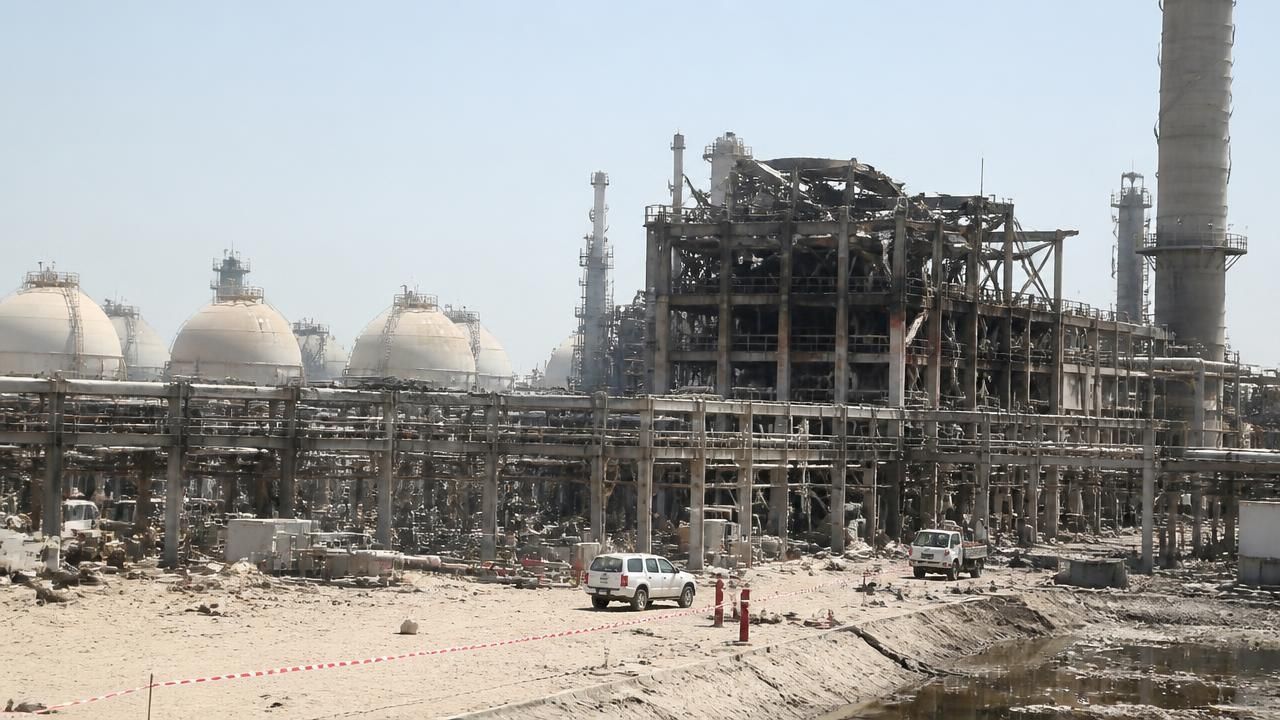
Missile strikes on Qatar’s Ras Laffan liquefied natural gas complex have killed at least 13 workers, injured 66 more and destroyed enough production capacity to reshape the global gas market for years — yet the most basic question in the crisis remains unanswered: how long until the plants run again?
QatarEnergy has told counterparts that repairs could take up to five years after the strikes wiped out roughly 17% of the country’s export capacity, according to Upstream. Qatar’s central bank governor offered a shorter but still painful timeline from the same wreckage.
Two to Five Years: A Damage Assessment Nobody Agrees On
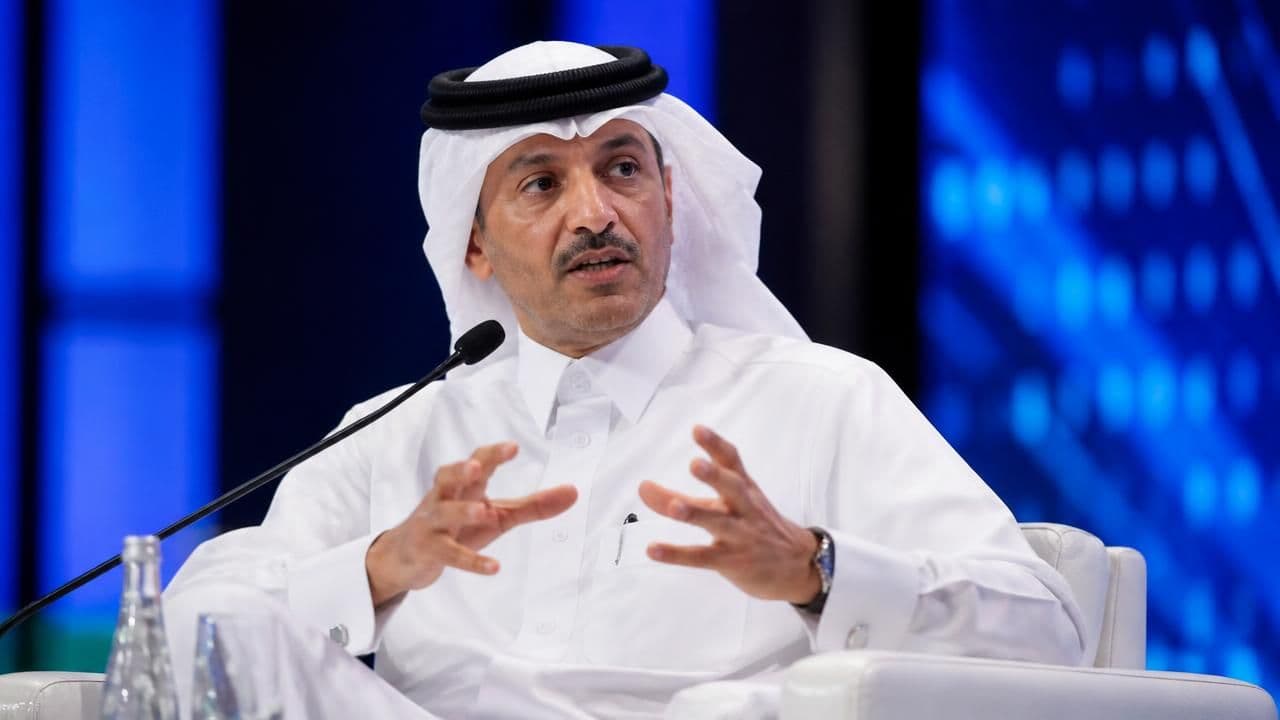
Sheikh Bandar bin Mohammed bin Saoud Al-Thani, who serves simultaneously as governor of the Qatar Central Bank and chairman of the Qatar Investment Authority, said damage to the country’s LNG facilities could take two to three years to repair. He was speaking on Bloomberg This Weekend from the 2026 Qatar Economic Forum, UNGA Special Edition, powered by Bloomberg.
Damage to the country’s LNG facilities could take two to three years to repair, with the conflict contributing to a 7% economic contraction even as the non-hydrocarbon economy grows.
The gap between the two estimates — two to three years from the central bank, up to five from the operator — matters enormously for global energy markets. It is the difference between a temporary supply shock and a structural realignment of who supplies Asia and Europe with gas through the end of the decade.
The Human Cost at Ras Laffan
Gulf News reported that the explosion at the Ras Laffan plant killed 13 Indians and Pakistanis and left 66 people injured. Early accounts stressed that export operations had not been affected, an assessment that was swiftly overtaken by events.
Within days, the picture had darkened dramatically. Reports cited by MSN put Qatar’s losses at $24 billion as LNG exports collapsed by 96% — a near-total shutdown of the export machine that has made the tiny Gulf state one of the wealthiest nations per capita on earth.
- At least 13 workers killed, 66 injured, most of them Indian and Pakistani nationals
- Roughly 17% of national export capacity destroyed outright
- Export volumes down as much as 96% at the trough
- Estimated financial losses of $24 billion
The Macroeconomic Shock
Sheikh Bandar framed the conflict as a 7% contraction for the Qatari economy, offset in part by continued growth in the non-hydrocarbon sector. The distinction is deliberate: Doha has spent a decade trying to convince investors that its economy is no longer simply a gas nozzle, and the diversification effort is now being stress-tested in real time.
Qatar’s fiscal buffers, built during the boom years, have allowed the Qatar Investment Authority to keep deploying capital globally rather than retreating home. Technology and artificial intelligence are among its major focus areas, the chairman said — and the central bank itself is deploying AI across its own operations, a signal that Doha intends to be a buyer in the next technology cycle even as it repairs its industrial base.
Not Fixed by Reopening a Strait
Energy executives have warned that Qatar’s LNG flows will not simply return to normal once the Strait of Hormuz reopens. Shutting the strait disrupts shipping; destroying liquefaction trains disrupts supply. Those are different problems with very different clocks, and the second one cannot be solved by naval escorts.
The downstream consequences are already visible across Asia. India’s Petronet has said there is no clarity on September LNG supplies from Qatar, leaving one of the world’s fastest-growing gas markets scrambling for alternatives in a spot market where prices have been sent soaring.
QatarEnergy’s response has been telling. Sources say the producer is seeking US LNG deals running through 2031 — an extraordinary pivot for a company whose entire commercial identity was built on being the low-cost, reliable Gulf supplier. Doha, in effect, is hedging against its own outage by buying optionality in the American market.
Markets Start to Price In the Recovery
Not all the news points one direction. Al Jazeera reported that Fitch removed Qatar from its negative watch list as the risks to the LNG sites eased — a signal that at least one ratings agency believes the worst-case scenarios are receding. Combined with the central bank’s more optimistic repair estimate, it suggests a market beginning to look past the acute phase of the shock toward a long convalescence.
That convalescence will not be evenly distributed. Buyers in India, Pakistan and elsewhere in South and Southeast Asia face a bidding war against wealthier European utilities for whatever liquefaction capacity remains online worldwide. US producers, Australian projects and African developers all stand to gain market share that Qatar may not reclaim for years.
What to Watch
Three numbers will define the next phase of this story: the verified repair timeline at Ras Laffan, where the two-to-five-year estimates eventually converge; the trajectory of Qatar’s non-hydrocarbon growth as the 7% contraction works through the economy; and how quickly QatarEnergy converts its US talks into binding offtake agreements. For a country that built its global influence on a single export, the answer to each will determine whether this is a setback — or a permanent downgrade of Qatar’s role in the world energy map.