Doha pushes back as Hormuz crisis deepens
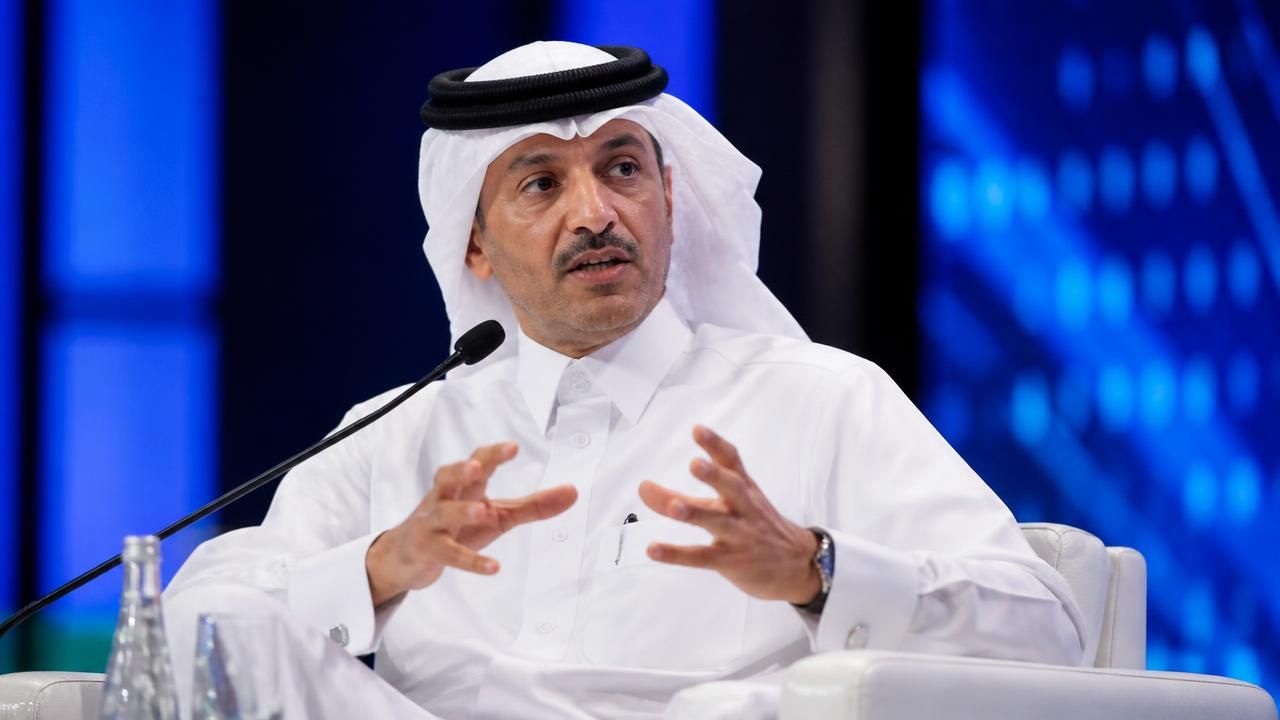
Qatar’s energy minister, Saad al-Kaabi, sharply rejected the suggestion that the Strait of Hormuz is becoming strategically irrelevant, saying it is wrong to call the world’s most important oil chokepoint obsolete. His remarks, made at the 2026 Qatar Economic Forum: UNGA Special Edition, presented by Bloomberg, came after US Treasury Secretary Scott Bessent said on Sept. 1 that the Strait of Hormuz would be like a worthless piece of water in two years. The exchange has become a defining moment in a broader crisis that now involves a US-Israel-Iran war, a US blockade that has choked Iran’s oil imports, and Qatari-led diplomacy aimed at reopening the waterway and reviving US-Iran talks.
At stake is not only the future of one narrow sea passage but the stability of global energy markets. The Strait of Hormuz connects the Persian Gulf with the Gulf of Oman and carries roughly one-fifth of the world’s petroleum liquids and a comparable share of liquefied natural gas. Qatar, one of the world’s largest LNG exporters, sends virtually all of its cargo through the strait. Iran’s oil exports also depend on it. There is no pipeline or alternate route that can fully replace the volumes that move through Hormuz each day. That reality explains why al-Kaabi’s rebuttal was more than rhetorical. “To call the strait obsolete is wrong,” he said, according to Bloomberg.
“To call the strait obsolete is wrong.” — Saad al-Kaabi, Qatar’s energy minister
Bessent’s comment, made during a period of heightened US pressure on Tehran, suggested that Washington believes the strait’s importance will fade within two years. Energy analysts and Gulf officials dispute that view. Even if new pipelines or alternative shipping routes are developed, they would take years and billions of dollars to build. For Qatar, whose massive North Field gas reserves are shared with Iran, the strait is not just a transit route but the backbone of its economy. For Iran, it is a lifeline for crude exports and a source of leverage in any confrontation with the United States.
A diplomatic scramble in Doha
While Washington and Tehran remain publicly at odds, Qatar has stepped in as a mediator. Reuters reported that Qatar is mediating as President Donald Trump says the United States is not talking to Iran. Al Jazeera reported that Iran and Qatar are holding Hormuz talks amid international hopes that dialogue with the US will resume. A separate Al Jazeera report said Qatar has confirmed that efforts are under way to end the Iran-US war and reopen the Strait of Hormuz. Yahoo Finance and Yahoo News headlines echoed those themes: Qatar says officials are working daily to revive US-Iran talks and urging Tehran to reopen Hormuz, even as a US blockade chokes Iran’s oil imports.
The diplomatic push is delicate. Qatar hosts Al Udeid Air Base, the largest US military installation in the Middle East, while also sharing the world’s largest natural gas field with Iran. That dual relationship gives Doha rare access to both capitals, but it also exposes Qatar to pressure from both sides. Iranian and Qatari officials have met to discuss the strait, according to Al Jazeera, and Qatari officials have said they are working daily to bring the US and Iran back to the negotiating table. The goal is not merely to lower tensions but to restore commercial shipping through Hormuz, which has been disrupted by the US blockade and by Iranian threats.
Security risks mount
MSN’s live coverage of the US-Israel-Iran war highlighted a new warning from Iran’s Islamic Revolutionary Guard Corps: unauthorized routes will be targeted. That threat raises the danger for commercial vessels, insurers, and energy traders. Shipping companies may avoid the strait, driving up freight and insurance costs. Oil prices could spike if markets price in a higher risk of closure. The IRGC’s warning also complicates Qatar’s mediation, because any incident at sea could quickly escalate into a wider military confrontation.
The US blockade has already choked Iran’s oil imports, according to Yahoo News, adding economic pressure on Tehran. But blockades and counter-blockades in the Gulf are inherently unstable. A single miscalculation could draw in US, Israeli, and Iranian forces, with Qatar and other Gulf states caught in the middle. That is why Doha has been urging Tehran to reopen Hormuz and why it has been pushing both sides toward de-escalation.
How outlets frame the story
Different outlets have emphasized different dimensions of the same crisis. Bloomberg focused on the energy minister’s rebuttal to Bessent, framing the story as a dispute over the strait’s future value. Reuters emphasized Qatar’s mediation role and Trump’s statement that the US is not talking to Iran. Al Jazeera framed the talks around international hopes for renewed US-Iran dialogue and Qatari efforts to end the war and reopen Hormuz. MSN’s live blog concentrated on the IRGC threat and the security crisis. Yahoo’s headlines stressed the daily diplomatic work and the US blockade’s impact on Iran’s oil imports. Together, they paint a picture of a region on edge, where energy finance, military strategy, and diplomacy are inseparable.
Why it matters for markets
For global markets, the Strait of Hormuz is a permanent risk factor. Roughly 20 million barrels per day of oil and refined products transit the strait, along with about one-fifth of global LNG. Any sustained disruption would send oil prices sharply higher, reignite inflation, and force central banks to reconsider interest rate paths. It would also hit Asian economies hardest, since China, India, Japan, and South Korea are the largest buyers of Gulf crude. Europe, still recovering from previous energy shocks, would face another jump in gas prices. Qatar’s LNG exports, which are critical for Europe’s diversification away from Russian gas, would be especially vulnerable.
Bessent’s prediction that Hormuz will be worthless in two years may reflect a US desire to reduce the strait’s leverage over global energy. But Qatar’s energy minister and many analysts argue that geography cannot be wished away. Pipelines can bypass Hormuz only partially, and they are vulnerable to attack and political disruption. The strait’s strategic value is likely to endure as long as oil and gas are traded globally.
What happens next
Qatar says its officials are working daily to revive US-Iran talks. Tehran is being urged to reopen Hormuz. Washington says it is not currently negotiating with Iran. International hopes for dialogue remain alive but fragile. The IRGC’s warning about unauthorized routes suggests Iran is prepared to use the strait as leverage. The US blockade suggests Washington is prepared to squeeze Iran’s economy. In between sits Qatar, trying to prevent a broader war and keep energy flowing.
A breakthrough would lower oil prices, ease shipping costs, and reduce the risk of a regional conflagration. A failure could lead to a sudden closure of Hormuz, a spike in energy prices, and a direct US-Iran military clash. For now, the world’s most important waterway remains open but contested, and Qatar’s mediation may be the best hope for keeping it that way.