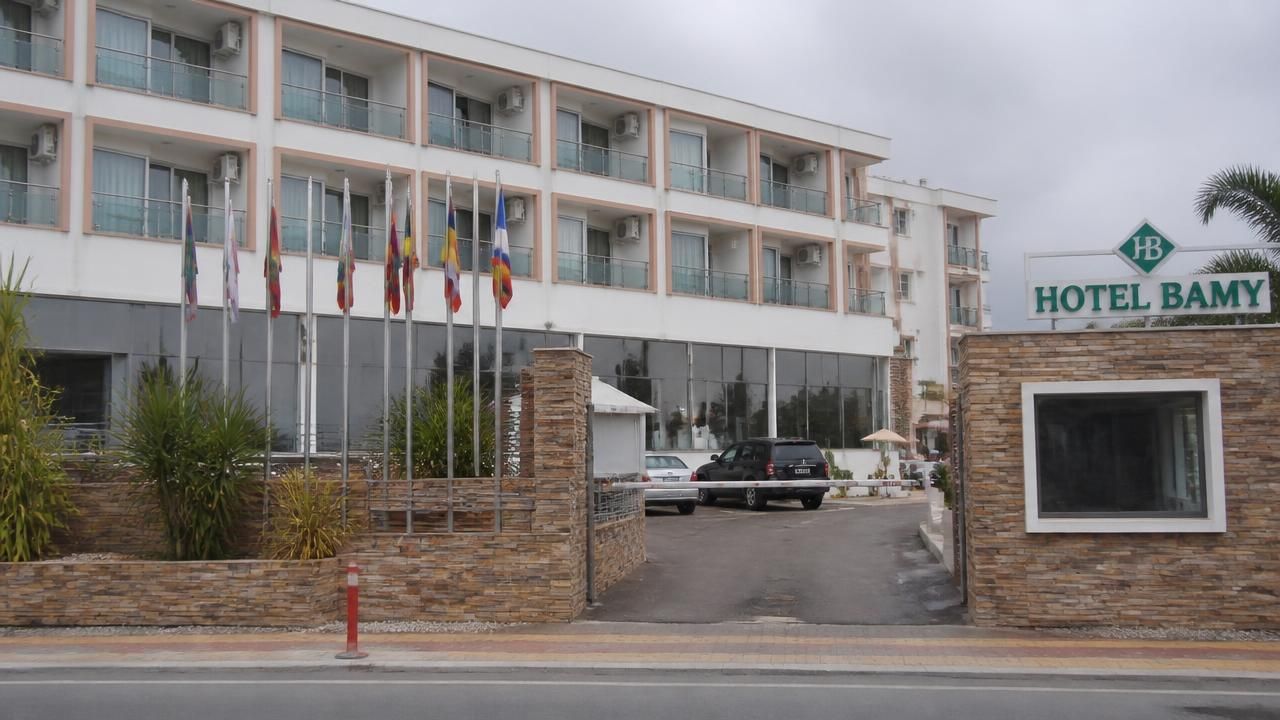
About 30 men deported from the United States are effectively trapped inside a hotel on the outskirts of Malabo, Equatorial Guinea, where two of their number were bound, fitted with bags over their heads, beaten and pushed down a flight of stairs in full view of the other US deportees before being taken away to prison, according to witnesses and human rights lawyers.
The two men — one from Egypt, one from Eritrea — were singled out at the Hotel Bamy, a facility in the coastal capital where the deportees have been held since their removal from the United States. Lawyers and rights advocates say the men were targeted because they had spoken to journalists and human rights organizations about conditions inside the hotel, and that the remaining detainees are now haunted by flashbacks and fear they will be retaliated against next.
Detainees have said they believe the men were beaten for telling the press and human rights advocates about the poor conditions and violence inside the hotel, and that they are haunted by flashbacks and terrified they will be retaliated against next.
A Hotel That Has Become a Prison
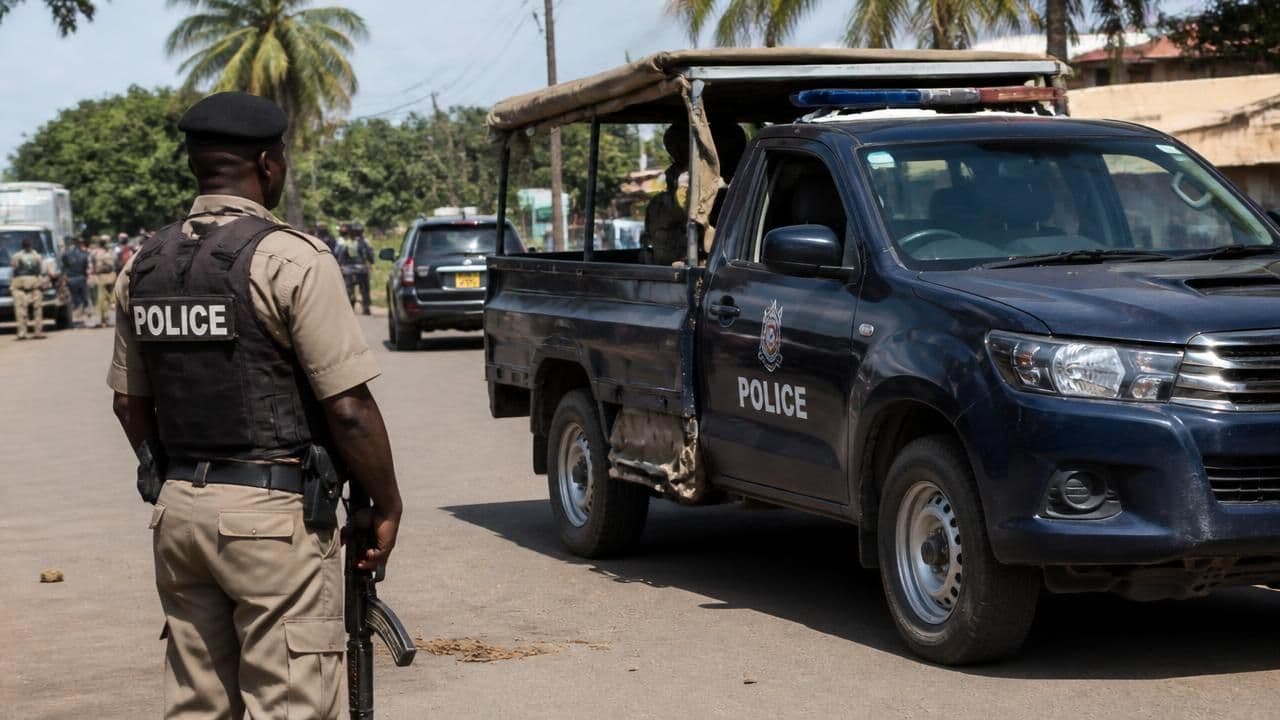
The Guardian, which first reported the accounts in detail, described the violence as having unfolded openly in front of the other deportees — a detail that underscores how little protection the men appear to have. The Associated Press, in its own reporting, characterized the incident as an arrest and beating carried out by police, framing the episode around the role of Equatorial Guinean security forces rather than the US government alone.
The New York Times framed the same facility more starkly still, describing the Central African hotel as a nightmare prison for US deportations — language that shifts the emphasis from a single act of violence to the broader conditions under which the men are being held indefinitely, apparently without legal process, consular access or a clear date of release.
The differing framings are not contradictory so much as cumulative. One outlet centers the victims and the retaliation motive; another centers the police as perpetrators; a third centers the hotel itself as an instrument of policy. Together they describe a limbo in which men removed from the United States have been deposited in a country where they have no citizenship, no lawyer and, according to advocates, no meaningful recourse.
The Third-Country Deportation Program
The men are part of the Trump administration's expanding use of so-called third-country removals — deportations to nations that are neither the migrant's country of origin nor a country with which they have any prior connection. The practice has drawn legal challenges in US courts, with critics arguing it violates due-process protections and the principle that states should not send people to places where they face a real risk of torture or arbitrary detention.
Equatorial Guinea is an unusual and, advocates argue, telling destination. The small oil-rich state of roughly 1.7 million people has been ruled since a 1979 coup by President Teodoro Obiang Nguema Mbasogo, one of the world's longest-serving heads of state. US State Department human rights reporting has for years documented torture, arbitrary arrest and severe restrictions on the press and civil society there. Sending deportees to such a jurisdiction, lawyers argue, raises the risk that mistreatment will go unmonitored and unpunished.
Similar arrangements have been pursued with El Salvador, South Sudan, Eswatini, Rwanda and Ghana, raising the same questions about whether the receiving governments are equipped — or willing — to protect the people transferred to them.
A Call From an African Leader
Adding a diplomatic dimension to the story, MSN reported that White House deputy chief of staff Stephen Miller, the architect of much of the administration's immigration enforcement agenda, took a mystery call from an African leader just hours after the deportees were beaten in Equatorial Guinea.
The report does not establish what was discussed, and neither US nor Equatorial Guinean officials have publicly explained the timing. But the detail places the violence squarely inside a fast-moving diplomatic channel, inviting questions about what Washington knew, when it knew it, and whether any of the men's accounts reached US officials before or after the beating.
Conditions and the Cost of Speaking Out
Rights groups have sounded the alarm over conditions at the hotel, describing overcrowding, inadequate medical care and an atmosphere of intimidation. The allegation that the two men were punished for talking to the press is particularly significant: it suggests the violence was not random but a message to the roughly 30 men still held there about the consequences of cooperating with outsiders.
The pattern echoes complaints from other third-country destinations, where deportees and their families have reported being held incommunicado and unable to reach lawyers or relatives in the United States. Advocates argue that by removing people to countries with weak rule-of-law protections, the US government effectively transfers custody without transferring accountability.
What Comes Next
- Lawyers for the two men are seeking information about their location and status; it is unclear whether they have been charged with any offense.
- Rights organizations are pressing for independent access to the Hotel Bamy and for the release of the remaining detainees.
- The State Department has not publicly detailed how it monitors the treatment of people deported to third countries.
- Legal challenges to third-country removals continue in US courts, where the scope of due-process protections for noncitizens sent to distant jurisdictions remains contested.
For the men still inside the hotel, the practical questions are narrower. They remain thousands of miles from the country that expelled them, in a nation they did not choose, awaiting word on what happens next — and, on the available accounts, with fresh reason to fear that speaking about it will make things worse.