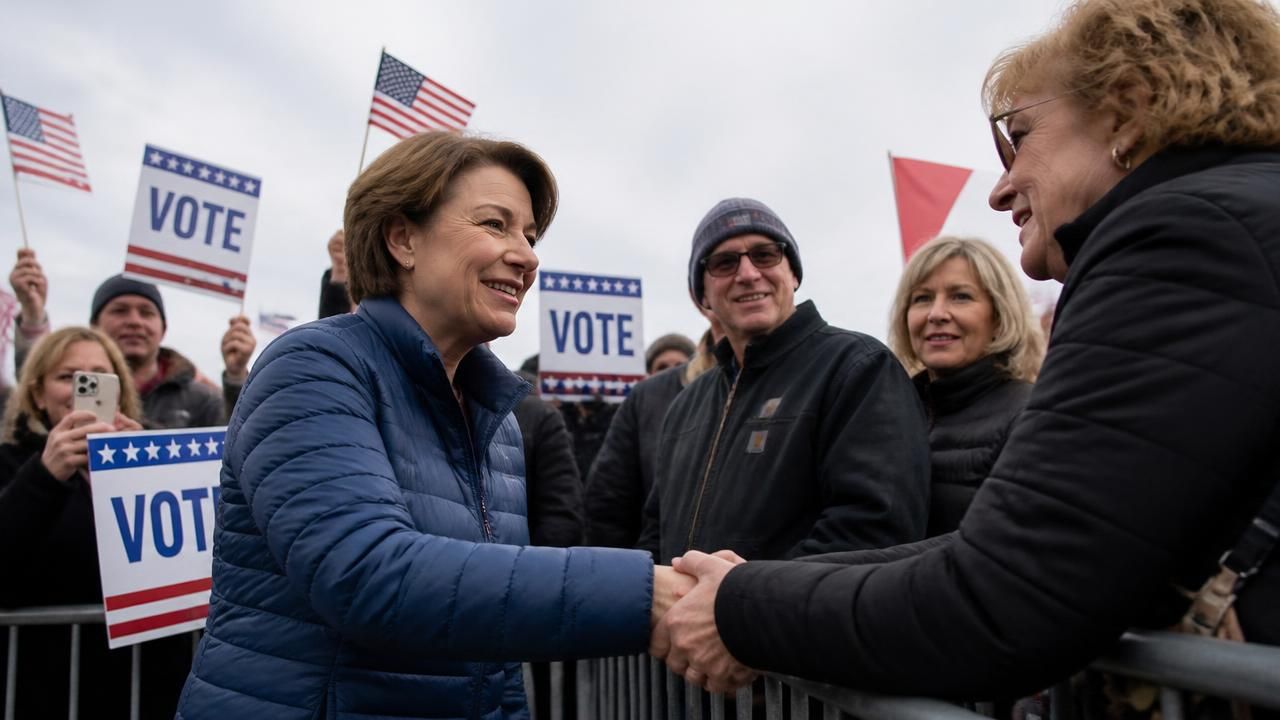
Millions of Americans have already cast early ballots as the midterm campaign enters its final day, with control of the Senate, key governorships, state legislatures and supreme courts hanging in the balance. The closing sprint has been defined less by a single national message than by a series of local fights, legal maneuvers and internal party disputes — none more dramatic than the Democratic rift in Michigan’s Senate race.
BBC News reported that early voting has drawn millions ahead of the final day of campaigning, while Newsday tracked a frantic last push by both parties. The national mood is volatile: NBC News called the Senate battle “a genuine toss-up” that comes down to red states and Republican voters, even as other forecasts suggest late momentum for Democrats.
Senate control: a genuine toss-up
The Senate map remains the central prize. NBC News reported that Democrats and Republicans are taking different paths to a majority, with the outcome likely decided in GOP-leaning states where Republican turnout and candidate quality matter most. MSN headlines pointed to Democratic advantages in five GOP-held battleground seats and reported that one forecast shifted 14 races toward Democrats in the final days before the midterms.
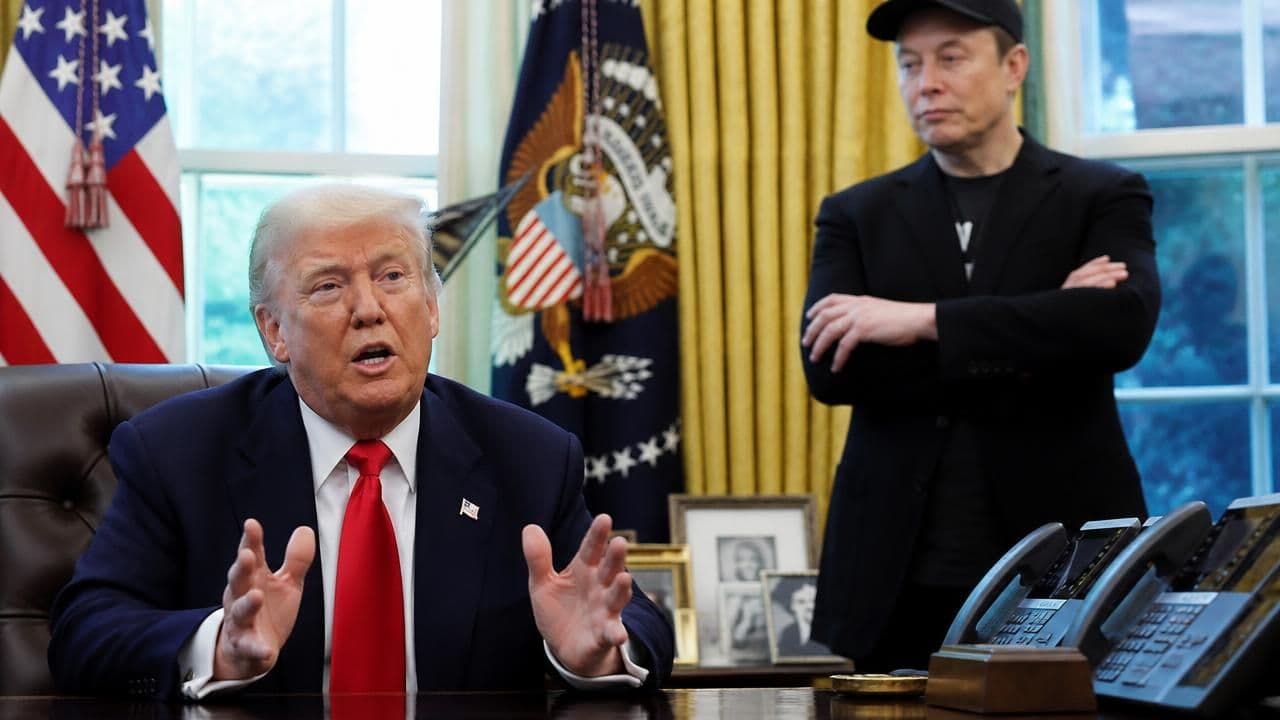
Republicans are not conceding the narrative. Joe Gruters told Newsmax that the GOP will win key Senate races, while former President Donald Trump vowed to use veto power and pardons to counter Democratic wins, according to MSN. The competing claims reflect a broader uncertainty: national polls may favor Democrats, but the Senate is decided by state-level arithmetic, and both sides are concentrating resources on the most contested red-state battlegrounds.
In Texas, CBS reported that Republicans and Democrats are debating high-dollar spending in a contentious Senate race, while Democrats aim to flip the Texas House as Republicans fight back. The Texas fight illustrates how the midterms have become a test of whether Democrats can convert national energy into gains in rapidly changing Southern states — a goal the Seattle Times framed as Democrats wanting to prove they can win in the South.
Michigan: a Democratic civil war
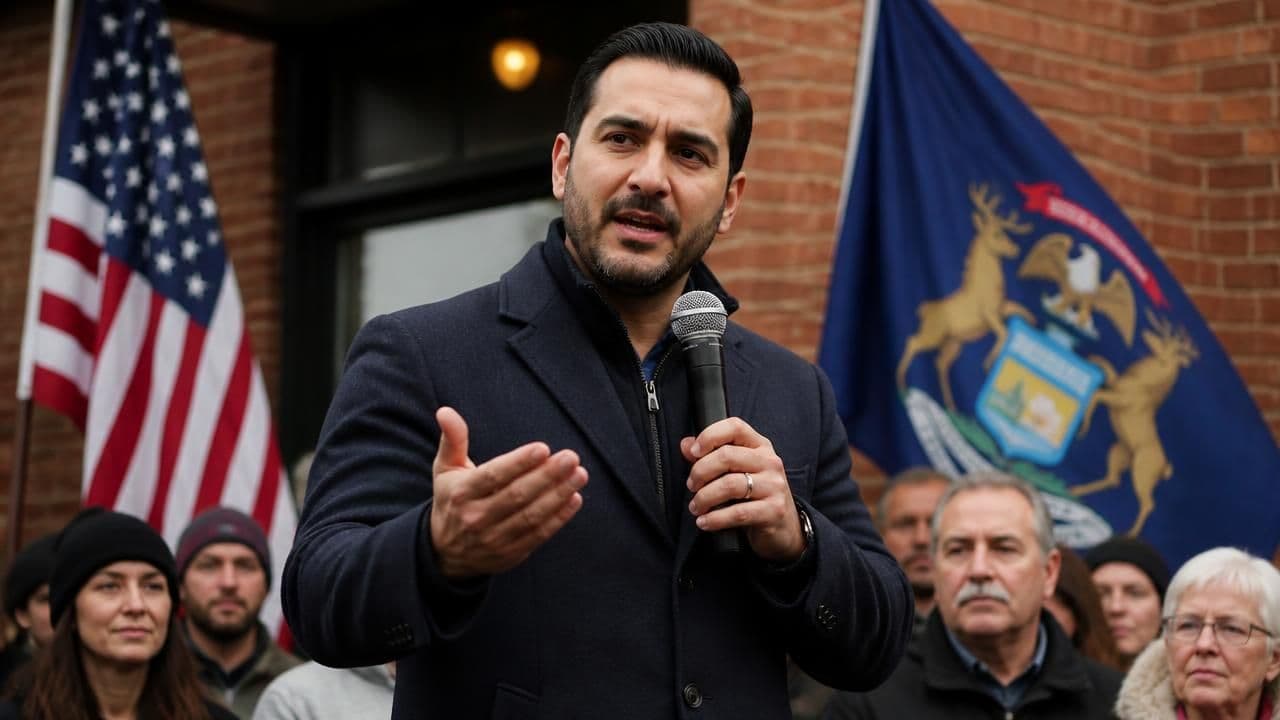
The most striking development of the closing days came in Michigan, where Haley Stevens, the Democratic primary opponent of Abdul El-Sayed, stunned her party by endorsing Republican Mike Rogers in the state’s key Senate race. BBC News reported that the endorsement escalated a party spat, and MSN noted that Stevens appeared with Rogers amid her rift with El-Sayed.
The move drew immediate condemnation. Senate Majority Leader Chuck Schumer backed El-Sayed after the endorsement, and Democrats described Stevens’s decision as a “despicable betrayal,” according to Primetime. Trump, meanwhile, invited Stevens to join the GOP as Democrats condemned her “betrayal,” MSN reported. The episode has turned a high-stakes Michigan Senate battle between El-Sayed and Rogers into a proxy fight over the party’s direction, its coalition and the cost of internal dissent.
“This is a despicable betrayal,” Democrats said after Stevens endorsed Rogers, according to Primetime, as Schumer rallied behind El-Sayed.
The Michigan feud matters beyond one seat. The New York Times reported that Democrats are slowly losing Jewish support in New York, a warning sign for a party balancing competing constituencies. In Michigan, the Stevens-El-Sayed split risks depressing Democratic turnout in a state that is central to Senate control and to the party’s broader coalitional health.
Beyond Washington: statehouses, courts and vetoes
While Washington focuses on the Senate, both parties are pouring money into state-level races that will shape policy for years. The Las Vegas Sun reported that a Democratic win in the Nevada governor’s race could unlock dozens of twice-vetoed bills. The Republican and Democratic Governors Associations have put $2.5 million into Nebraska’s governor’s race, according to Yahoo. Democrats are eyeing state supreme court races this year and beyond, MSN reported, and a map shows state legislatures Democrats may flip in a potential blue tsunami.
The Baltimore Sun noted that the Electoral College could change if Democrats win four state legislatures — a reminder that midterms are not only about Washington but about the rules of future presidential elections. In Illinois, the Chicago Tribune reported that Democrats rallied on the final campaign weekend while top Republicans stayed quiet, a contrast that reflects the GOP’s uneven closing strategy in some blue states.
Trump’s shadow and the GOP’s burden
The former president remains the campaign’s inescapable backdrop. The New York Times examined whether a Republican can win in a Democratic state, focusing on Senator Susan Collins of Maine, who is running for re-election in a state that has voted against Trump three times. Republicans hope Collins can distance herself enough from Trump to survive; an Arkansas Democrat-Gazette columnist argued more broadly that Republicans cannot win while carrying Trump on their backs.
That burden is compounded by legal and racial controversies. Wikinews reported that a Georgia grand jury indicted Trump over an alleged conspiracy to unlawfully change the outcome of the 2020 election. It also reported that the White House deleted a Truth Social post portraying the Obamas as apes — a volatile controversy that threatened to overshadow policy debates. And the broader political landscape includes Biden’s 2024 reelection bid — announced with the slogan “Let’s finish this job” — and primary wins by Biden and Trump in five more states, setting up a rematch that continues to frame the midterm environment.
Different outlets frame the story differently. The New York Times focuses on candidate quality and Trump’s drag on Republicans in Democratic-leaning states. NBC and MSN emphasize horse-race polling and Senate math. BBC and Newsday stress the final-day scramble and early-voting numbers. Local outlets highlight statehouse, court and governor races, while opinion writers argue over whether Trump is the GOP’s central liability or its turnout engine.
What to watch
Three factors will decide the closing hours: turnout in Republican-leaning Senate battlegrounds, whether the Michigan feud suppresses Democratic enthusiasm, and whether late legal fights — including the Trump administration’s appeal to the Supreme Court to sideline 20,000 California mail ballots, as Newsday reported — alter the voting landscape. Democrats are betting on a blue wave that reaches state legislatures and courts; Republicans are betting that their voters, galvanized by Trump and local concerns, will overcome a difficult national environment.
With millions of ballots already cast and both parties making their final push, the midterms remain a contest between two competing theories of American politics — and a test of whether either party can convert anger, fear and institutional stakes into a governing majority.