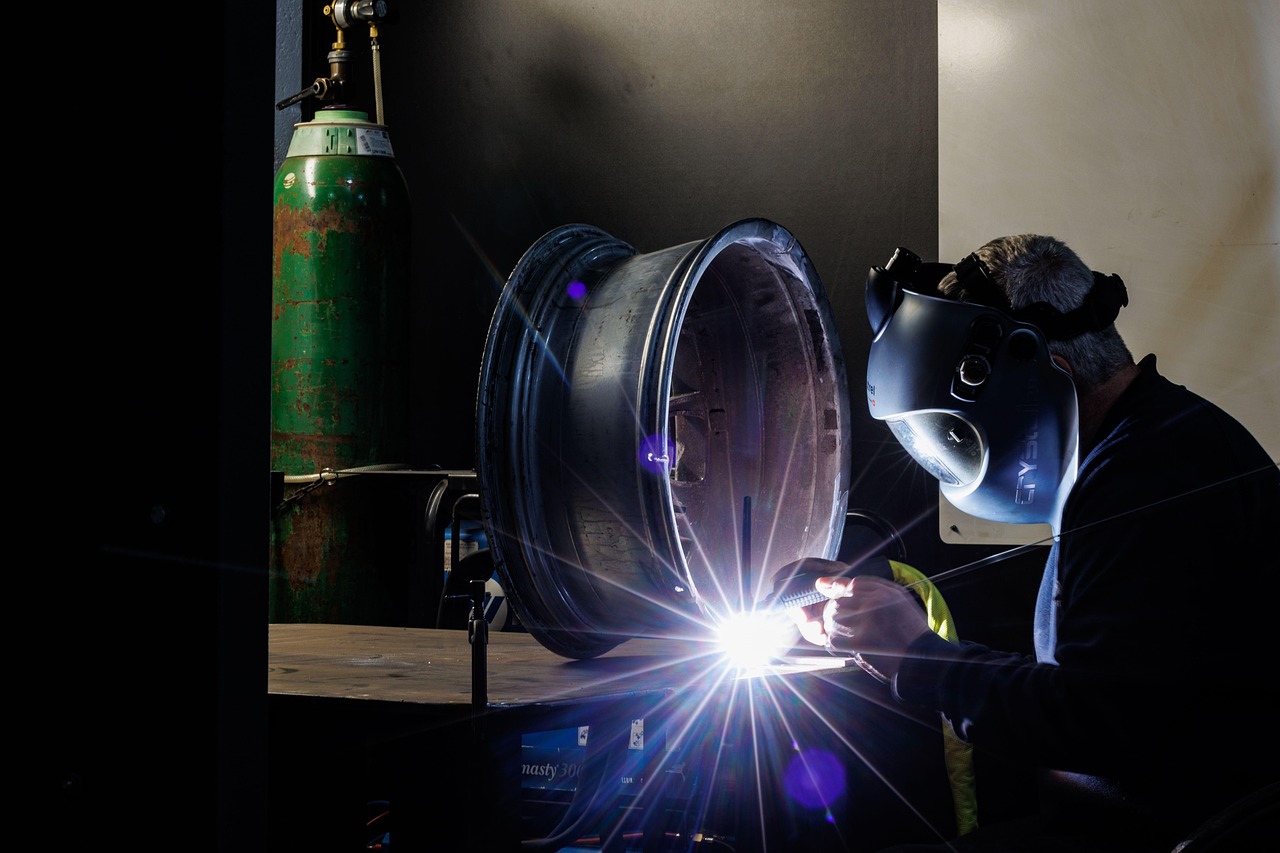
The U.S. aviation industry is experiencing a paradox: record passenger numbers are soaring, but a looming shortage of aircraft mechanics threatens to ground the momentum. According to a report from NPR, a generation of skilled mechanics is set to retire, creating a critical gap that new graduates are now filling—often with jobs secured before they even receive their diplomas.
The Perfect Storm: Record Travel and an Aging Workforce
Air travel in the United States has rebounded to historic highs, with passenger numbers surpassing pre-pandemic levels. However, the workforce that keeps planes in the air is aging. The average age of an aircraft mechanic is over 50, and thousands are expected to retire in the next decade. This has created a 'perfect storm' of demand and supply, as noted by industry experts.
Aviation maintenance schools across the country report that nearly all of their graduates are landing jobs immediately. 'We can't produce mechanics fast enough,' said one instructor. The shortage is so acute that airlines are offering signing bonuses and other incentives to attract talent.
A Career Path for Young People
For young people considering career options, the aircraft technician shortage presents a golden opportunity. As highlighted by msn.com, the field offers stable employment, competitive salaries, and the chance to work with cutting-edge technology. 'It's a career that can take you places—literally,' said a recent graduate who now works for a major airline.
The Bureau of Labor Statistics projects that employment of aircraft mechanics will grow 11% from 2020 to 2030, faster than the average for all occupations. With airlines expanding fleets and retiring older models, the need for skilled technicians is only expected to increase.
Industry Response and Training Initiatives
Airlines and trade schools are partnering to create accelerated training programs. Some carriers have established their own academies, offering tuition reimbursement in exchange for a commitment to work for the company after graduation. These programs aim to shorten the time it takes to become a certified mechanic, which typically requires 18 to 24 months of training.
'This is a win-win for students and airlines,' said an industry spokesperson. 'Students get a debt-free education and a guaranteed job, while airlines get a pipeline of skilled workers.'
Despite these efforts, challenges remain. The rigorous certification process, which includes passing FAA exams, can be a barrier for some. Additionally, the physical demands of the job and the need for ongoing training deter some potential candidates.
Broader Implications for the Economy and Safety
The mechanic shortage is not just an industry problem—it has broader economic and safety implications. Delayed maintenance can lead to flight cancellations and increased costs for airlines, which are ultimately passed on to consumers. Moreover, safety regulators are closely monitoring the situation to ensure that maintenance standards are not compromised.
'Safety is our top priority,' said an FAA official. 'We are working with the industry to ensure that as we bring in new mechanics, they are properly trained and certified.'
Looking Ahead: A Call for More Awareness
Industry leaders are calling for greater awareness of the career opportunities in aviation maintenance. They argue that vocational training has been undervalued in favor of four-year college degrees, leaving a gap in the skilled trades. 'We need to change the narrative,' said one advocate. 'Being an aircraft mechanic is a high-tech, high-paying career that offers a path to the middle class.'
As the summer travel season approaches, the pressure on airlines to maintain their fleets will only intensify. For now, the new graduates entering the workforce are a bright spot in an otherwise challenging landscape.
In related news, other sources from kansaspublicradio.org covered topics ranging from clean energy shifts due to geopolitical tensions to insider trading allegations in political campaigns, but those stories are distinct from the aviation mechanic shortage. The focus here remains on the immediate and tangible opportunity for young people to step into a rewarding career at a time when the industry needs them most.