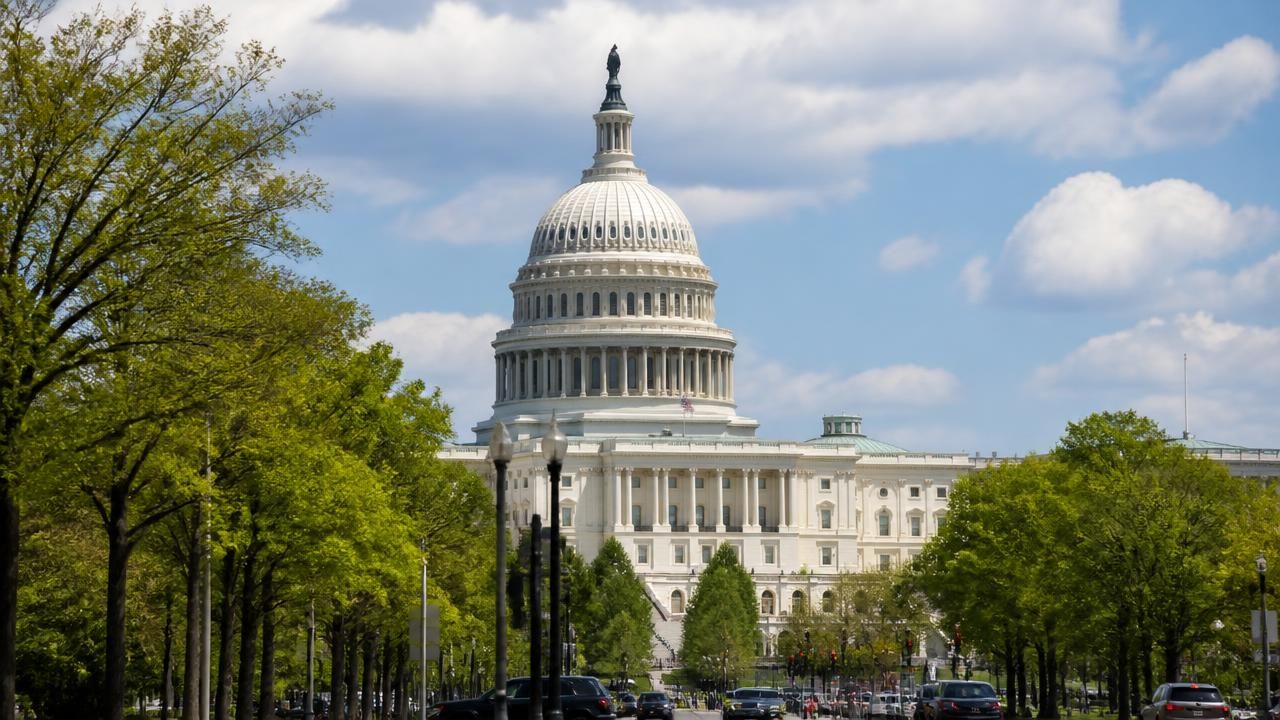
WASHINGTON — The tumultuous congressional primary season is closing with a historic exodus from Capitol Hill. According to an NPR analysis, close to 100 lawmakers who began this Congress will not be around for the next one, a staggering figure driven by record-setting retirements and a wave of primary defeats. (Image credit: Allison Robbert)
Already, close to 100 lawmakers who started this Congress will not be around for the next one, according to an NPR analysis, driven by record-setting retirements and primary defeats.
The number represents a dramatic break from recent cycles. In a typical election year, roughly 40 to 50 members of Congress depart voluntarily or lose their seats. The 2026 cycle has nearly doubled that pace, according to NPR, leaving both parties scrambling to fill open seats and raising questions about the institutional memory that will walk out the door in January.
A Perfect Storm of Departures
The exodus is not the result of a single cause. Analysts point to a confluence of factors: deep polarization, the relentless demands of fundraising, the toxicity of social media, and a redistricting landscape that has made some seats safer and others more volatile. Retirements have come from both sides of the aisle, with veteran lawmakers citing frustration with gridlock and a desire to leave on their own terms rather than face a brutal primary.
Primary defeats have added to the churn. Several incumbents lost to challengers from their own party, a phenomenon that has become more common as ideological factions wield increasing influence in low-turnout primaries. The result is a Congress that will look markedly different in January, with a large freshman class and a significant loss of seniority.
The Hill’s Seven Surprises
The Hill, meanwhile, cataloged the “7 biggest surprises from the 2026 primary cycle,” a list that underscores just how unpredictable the season has been. While the full details of that roundup were not available in the source excerpt, the headline alone signals a cycle marked by upsets, retirements, and shifting political fault lines. The surprises range from unexpected challengers to the sheer scale of the departures—a topic that has dominated political coverage from Washington to local districts.
What It Means for Governance
The mass departure has profound implications. Committees will lose chairs and ranking members with decades of experience. Legislative priorities may shift as new members arrive with different mandates. And the balance of power could be more volatile, with a smaller number of swing votes determining outcomes on major bills.
- Loss of expertise: Veteran lawmakers who understand the intricacies of defense, appropriations, and tax policy will be replaced by newcomers still learning the ropes.
- More polarization: Primary defeats often reward candidates who appeal to the base, potentially pushing both parties further from the center.
- Fundraising arms race: Open seats attract expensive, high-profile races, further nationalizing local contests.
- Policy uncertainty: With so many new faces, passing major legislation in the next Congress could become even more difficult.
The scale of the turnover suggests that the institution will face a steep learning curve. It is not just a normal changing of the guard; it is a seismic shift in the composition of Congress that will take years to fully absorb.
Meanwhile, in Michigan: Friday Night Lights
As Washington absorbed the political earthquake, local communities in Michigan marked a different kind of season opener. MLive published photo galleries of high school football action, including Jenison’s victory over Kalamazoo Central in its season-opener. In another game, Byron Center defeated Hudsonville at Waddell Field in the football season opener. The coverage offered a snapshot of ordinary American life continuing beyond the Beltway, a reminder that the rhythms of fall—Friday night lights, marching bands, and packed bleachers—persist even as the nation’s capital braces for another wave of political change.
For readers of MLive, the story was not about congressional retirements but about local pride and community. The juxtaposition is stark: while nearly 100 lawmakers prepare to leave Washington, thousands of students, parents, and fans filled stadiums to cheer on their teams. It is a contrast that underscores how national political drama can coexist with the everyday rituals that bind communities together.
The Road Ahead
The primary season may be closing, but the general election is just beginning. With so many open seats and defeated incumbents, both parties will pour millions of dollars into races that could determine control of Congress. The record departures also mean that the next Congress will be less experienced, more diverse in some ways, and potentially more unpredictable.
NPR’s analysis suggests that the 2026 cycle will be remembered as a watershed moment—a year when voters and circumstances combined to sweep out a remarkable number of lawmakers. The Hill’s list of surprises adds anecdotal color to that trend, while local sports coverage from MLive reminds us that the political story, however consuming, is only one part of a much larger national tapestry.
As the sun sets on the primary season, the question now is not who is leaving, but who will replace them—and what that new Congress will do when it convenes in January.