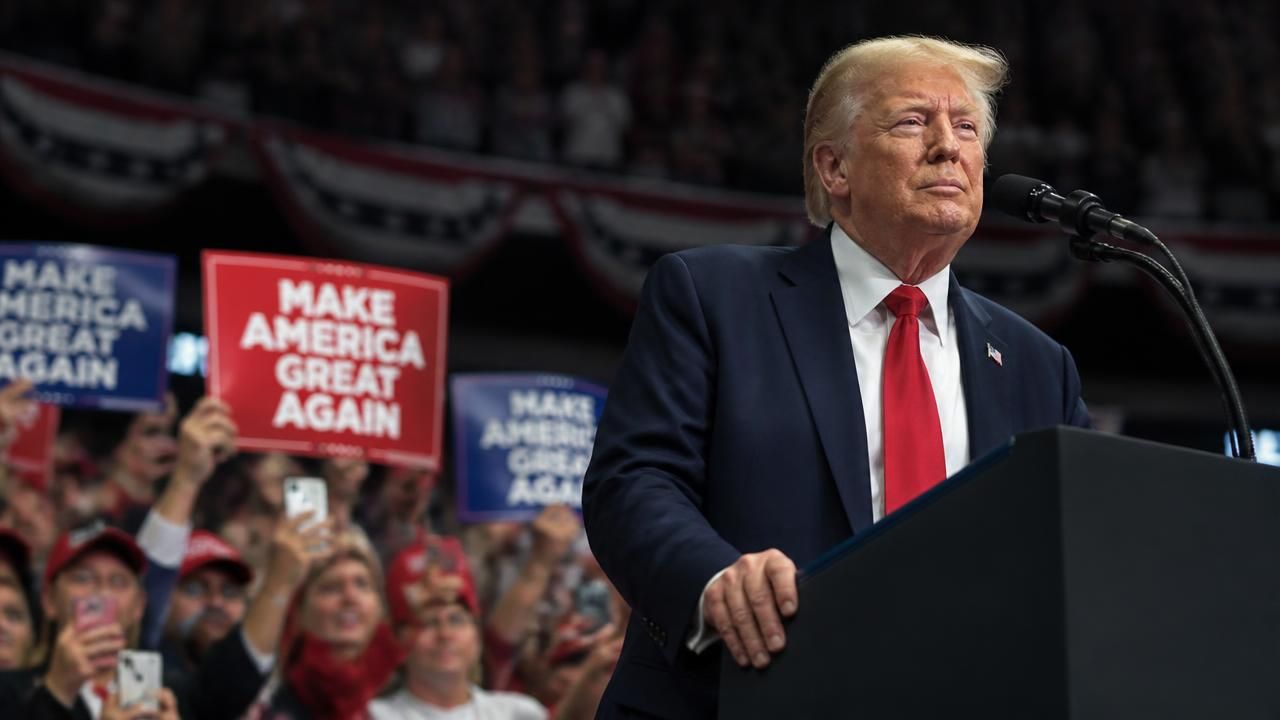
President Donald Trump’s rally in Northern Kentucky on the final stretch of the 2026 midterm campaign was meant to do what such events usually do: energize the base and lift local Republicans. Instead, it became a focal point for a larger question hanging over the election—whether Trump’s pull in deep-red territory has weakened enough for Democrats to compete in districts he once won comfortably. With less than a week until Election Day, the Kentucky race has emerged as a bellwether for both parties.
The setting mattered. Trump carried the Kentucky district at the center of the fight by double digits in 2024, according to NPR Politics, which examined the race through Kentucky Public Radio’s reporting. Democrats are now putting up a fight in midterm contests that went for Trump by wide margins, and the Kentucky district is one of the House seats the party is targeting, USA Today reported. The Detroit News framed the same contest as a test of whether a Trump backlash can lift Kentucky Democrats on Election Day.
A Kentucky bellwether
Local coverage illustrated how quickly a state race has become nationalized. WLKY and WLWT reported on Trump’s visit to Northern Kentucky to rally support for GOP candidates, while Cincinnati.com offered takeaways from the rally. But the sharpest response came from Gov. Andy Beshear, the state’s Democratic chief executive, who fired back after the event.
“A complete disservice,” Beshear said after the rally, according to WLKY.
The remark underscored the stakes. Beshear remains one of the party’s most prominent figures in a red state, and his criticism signaled that Democrats intend to contest Trump’s influence district by district rather than cede rural and exurban turf. Forward Kentucky and columnist Al Cross went further, framing the election as a referendum on how far Trump has fallen in Kentucky—a state he won easily in recent presidential cycles.
The deep-red swing
Trump’s itinerary told its own story. The New York Times reported that he was swinging through deep-red states seeking to reverse lagging Republican enthusiasm, including a Kansas rally where Republicans are fighting to preserve a Senate seat. That is not the posture of a party playing offense. Instead of spending the final days exclusively in battlegrounds, Trump has been asked to shore up places that normally should be safe.
The defensive map extends beyond Kentucky. Fox News Power Rankings moved South Carolina to toss-up, a striking shift for a state long seen as reliably Republican. MSN reported that Trump’s former strongholds are now tight races, and a separate MSN map tracked Trump’s approval rating in every state one week before the midterms. Another MSN feature identified one key midterm race in all 50 states and why each matters—a reminder that the 2026 election is not one national referendum but dozens of local fights shaped by candidate quality, turnout, and district-level backlash.
Democratic worries beneath the optimism
Democrats have their own reasons for anxiety. News8000 reported on an under-the-radar Senate race that is “far too close for comfort” and embodies the party’s midterm worries. Even as Democrats target Kentucky and other Trump-friendly districts, they are defending a Senate map and local races that could complicate any national narrative of momentum. MSN’s look at a small town in Ohio that shows why Trump is in trouble suggested the backlash is real, but it also pointed to the kind of granular, uneven shifts that can cut both ways.
The result is a midterm environment with competing signals: Democratic energy in places Trump won, Republican fears of lagging enthusiasm, and a president still capable of drawing crowds but no longer guaranteed to lift every candidate on the ballot. That tension was visible in Kentucky, where the rally was both a show of force and an acknowledgment that the GOP cannot take deep-red seats for granted.
Flashpoints beyond Kentucky
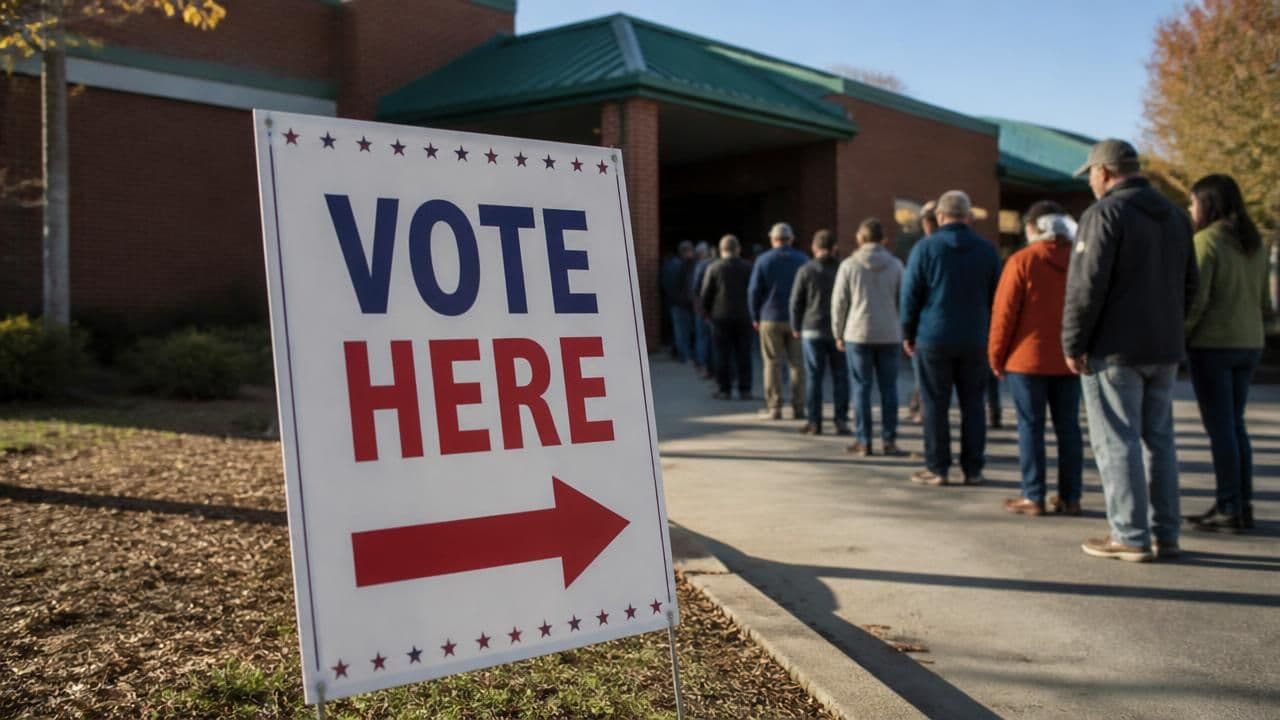
The final week has produced other flashpoints. Fox News reported that a fiery Texas House race and a Minnesota fraud scandal are fueling 2026 midterm battles ahead of Election Day. In Alaska, the Messenger-Inquirer reported that a probe was ordered into a spoiler candidate, with Democrats pointing to GOP dirty tricks. NHK World noted that U.S. voters are getting ready for the November midterms, a simple reminder that the machinery of turnout—not just rallies—will decide close races.
The broader mood is international, too. The Herald Corporation reported that voter backlash is spreading from Brazil to Hungary to Israel, under the headline “It’s not just Trump.” The comparison is imprecise, but it captures an anti-incumbent current running through several democracies. In the U.S., that current may not determine every race, but it helps explain why Trump is spending precious final days in states that were once afterthoughts.
What to watch
For Kentucky, the test is twofold: whether Democrats can convert anti-Trump sentiment into votes in a district Trump won by double digits, and whether Beshear’s push can translate into down-ballot gains. For Republicans, the question is whether Trump’s rally reversed lagging enthusiasm or merely highlighted the party’s defensive posture. Al Cross wrote that voting will test how far Trump has fallen in Kentucky. The answer will not be known until the ballots are counted, but the final week has already made the stakes clear: in 2026, even Trump strongholds are not safe ground.