Apple has released macOS 27 Golden Gate, the newest version of its desktop operating system, kicking off a staggered rollout that culminates in a coordinated, ecosystem-wide launch on September 14 alongside iOS 27, iPadOS 27, watchOS 27, and tvOS 27. After a summer of developer builds — Beta 6, Beta 8, and finally the first release candidate — the final version is now landing on Macs, with coverage from The Verge, MacRumors, AppleInsider, OSX Daily, Macworld, and MacStories converging on a single story: this is Apple's most AI-forward Mac release yet, and its most consequential for anyone still running Intel hardware.
A Siri that finally does things
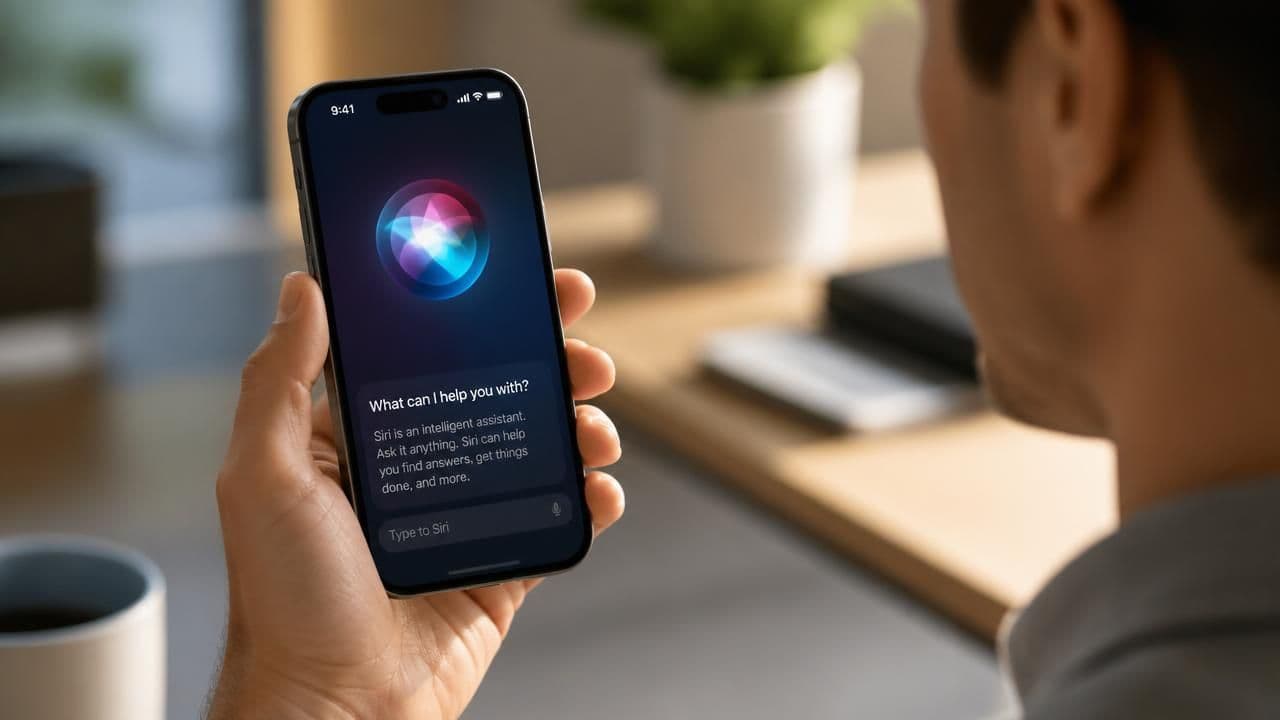
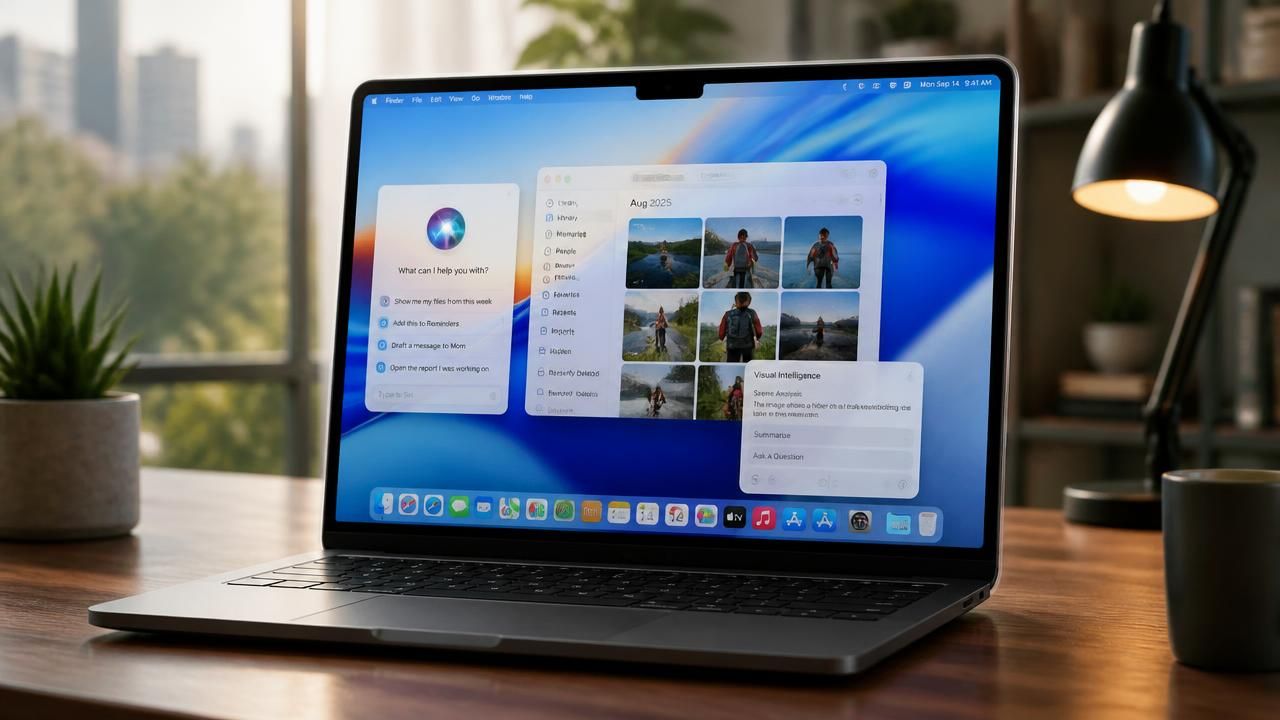
The headline feature, by near-universal consensus, is Siri AI. The assistant has been rebuilt to work with personal context — letting users ask questions about their own photos, emails, and documents, and take actions directly inside apps such as Messages and Reminders. Apple has also introduced a dedicated Siri app that keeps an archive of past conversations, making the assistant feel less like a one-off command line and more like a persistent workspace.
The new Siri AI is arguably the biggest feature in macOS 27 — it lets you ask questions, search through things involving your personal context like photos and emails, and take actions in apps such as Messages and Reminders. — The Verge
Golden Gate also bundles Visual Intelligence, the on-screen, camera-aware analysis tool Apple has been pushing across its platforms, plus refinements to Liquid Glass, the translucent design language introduced in the previous cycle. Reviewers at MacStories framed the release as an unusually feature-dense update, while Macworld flagged a less obvious addition: a hidden popover menu aimed squarely at "AI power users," a sign that Apple is building out deeper controls for people who want to tune how the assistant behaves.
The end of the Intel Mac era
Underneath the feature list sits a harder, structural change. macOS 27 requires Apple Silicon. Intel-based Macs are cut off entirely, following last year's macOS Tahoe (macOS 26), which Apple billed as its final major update for Intel machines. Ars Technica characterized the shift as Apple "drawing down the Intel Mac era," and the practical mechanics arrived earlier this year with iOS and macOS 26.6, a transitional release that paved the way for the 27-generation break.
Rosetta 2's last dance
Even for Apple Silicon owners, the Intel legacy lingers one cycle longer. According to MacRumors, macOS 27 Golden Gate is the last version to support Intel apps through Rosetta 2, the translation layer that lets x86 software run on Apple's Arm-based chips. That gives developers — and holdouts running older professional software — a single upgrade window before the bridge is retired.
Compatibility, betas, and how to get it
- Hardware: All Apple Silicon Macs are supported; Intel Macs are not.
- Timeline: Developer betas ran through the summer, with Beta 6, Beta 8, and a release candidate landing before the final build.
- Public release: September 14, simultaneously with iOS 27, iPadOS 27, watchOS 27, and tvOS 27.
- Beta access: Mashable has published the full MacBook compatibility list and instructions for joining the public beta.
AppleInsider reported that the release candidates for iOS 27 and macOS 27 arrived as the release window neared, and MacDailyNews noted that Apple seeded eighth betas across macOS, iOS, iPadOS, tvOS, and watchOS — a synchronized cadence that reflects how tightly Apple now ships its platforms.
Fine print: usage limits and platform positioning
Not every detail emerged from the keynote stage. MSN's coverage highlights that macOS 27's release notes quietly disclose usage limits on Siri AI and Image Playground, the generative image tool. That detail matters: it suggests Apple is metering the most compute-intensive AI features rather than offering them unconditionally, a posture consistent with how the company has handled server-side AI elsewhere.
Coverage of the launch has also splintered by audience. Consumer tech outlets led with features — Liquid Glass, performance gains, Visual Intelligence. Developer- and power-user-focused sites led with compatibility, Rosetta 2 deadlines, and hidden menus. Mainstream aggregators took a broader competitive angle, with at least one framing the news as a rebuke to Microsoft: "Who cares about Windows 11? Apple has just announced macOS 27." The subtext across all of them is the same: Apple is betting that on-device and personal-context AI is the next battleground for the desktop, and it is willing to leave older hardware — and older software — behind to get there.
Why it matters
Golden Gate is both a feature release and a fence line. For the majority of Mac users on Apple Silicon, it delivers the most capable Siri to date and a design refresh on top of it. For the remaining Intel holdouts and anyone relying on Rosetta 2-translated apps, it marks the beginning of a migration clock. And for Apple's competitors, it is a statement that the company intends to define the AI desktop on its own silicon, on its own schedule — with the entire iOS 27 generation arriving in lockstep on September 14.