The artificial-intelligence boom is pouring billions into data centers, and the financial system is rushing to keep up. But what looks like a generational investment opportunity is also reshaping old markets and creating new hazards that lenders, insurers and regulators are only beginning to price. From commercial mortgage-backed securities to local water supplies, the AI data-center trade is no longer just a technology story—it is a finance story with multiplying risks.
CMBS and the New Data-Center Risk
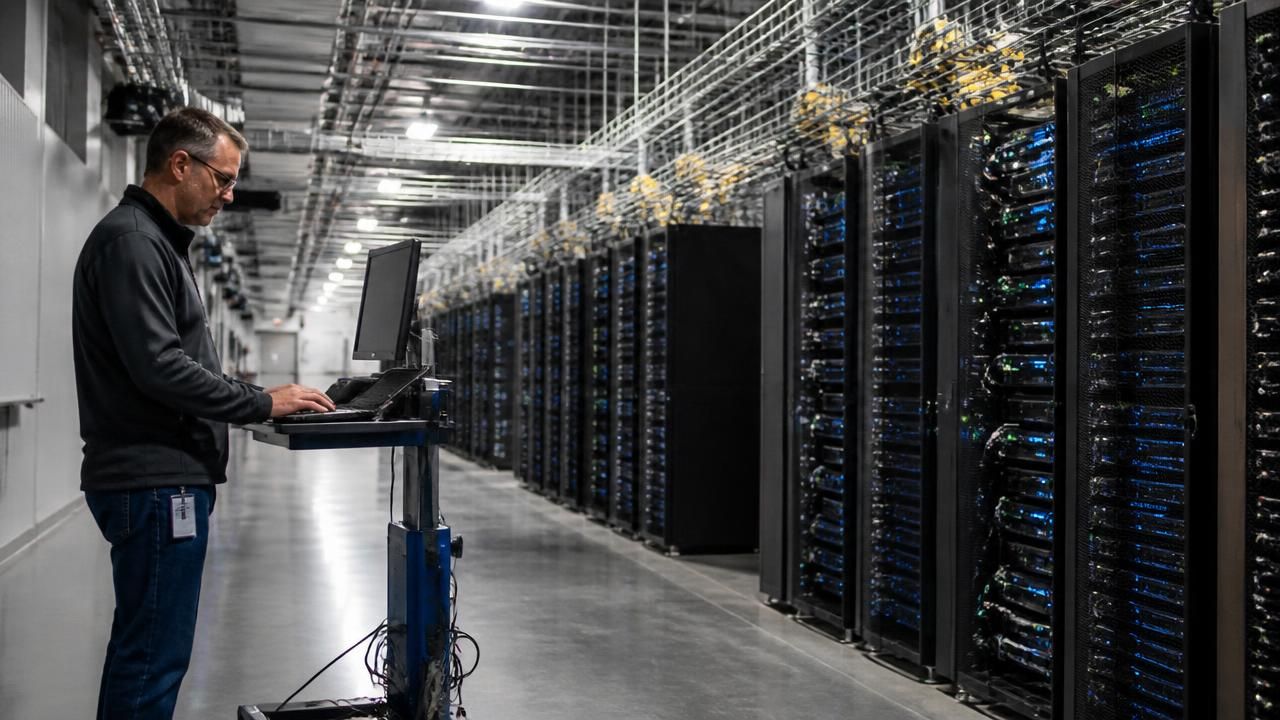
The commercial mortgage-backed securities market, long a mainstay of financing for America’s offices, apartments and malls, is being reshaped by a surge in data-center deals. Bloomberg Markets reports that the shift is forcing investors to grapple with an entirely new set of risks. Unlike a traditional office building or shopping center, a data center is a specialized, capital-intensive asset whose value depends on power availability, cooling capacity, tenant credit and rapidly changing technology.
“The commercial mortgage backed securities market … is being reshaped by a surge in data-center deals, forcing investors to grapple with an entirely new set of risks.” — Bloomberg Markets
Lenders are responding with caution. Finance & Commerce reports that lenders are scrutinizing data-center financing as opposition builds. American Banker notes that banks are navigating the AI data-center backlash, balancing lucrative loan growth against reputational, environmental and political exposure. The result is a more selective market: hyperscaler-backed projects with long leases and secure power may still attract cheap capital, while speculative developments face higher spreads, tougher covenants and demands for more equity.
Insurance: A $200 Billion Opportunity—and a Risk Puzzle
The boom is also creating a new insurance market. MSN reports that the AI boom could help create a $200 billion insurance market as data centers and energy projects surge. Insurers are being asked to cover construction, equipment breakdown, business interruption, cyber liability and natural catastrophes. But underwriting these risks is difficult. A single outage can cost millions per hour, and climate-related water scarcity or grid failure can shut a facility for weeks.
That has turned insurance into both a profit center and a warning signal. If insurers demand higher premiums or exclude certain perils, financing costs rise. If they underprice the risks, they may face losses that ripple through the financial system.
Water, Health and the Hidden Environmental Bill
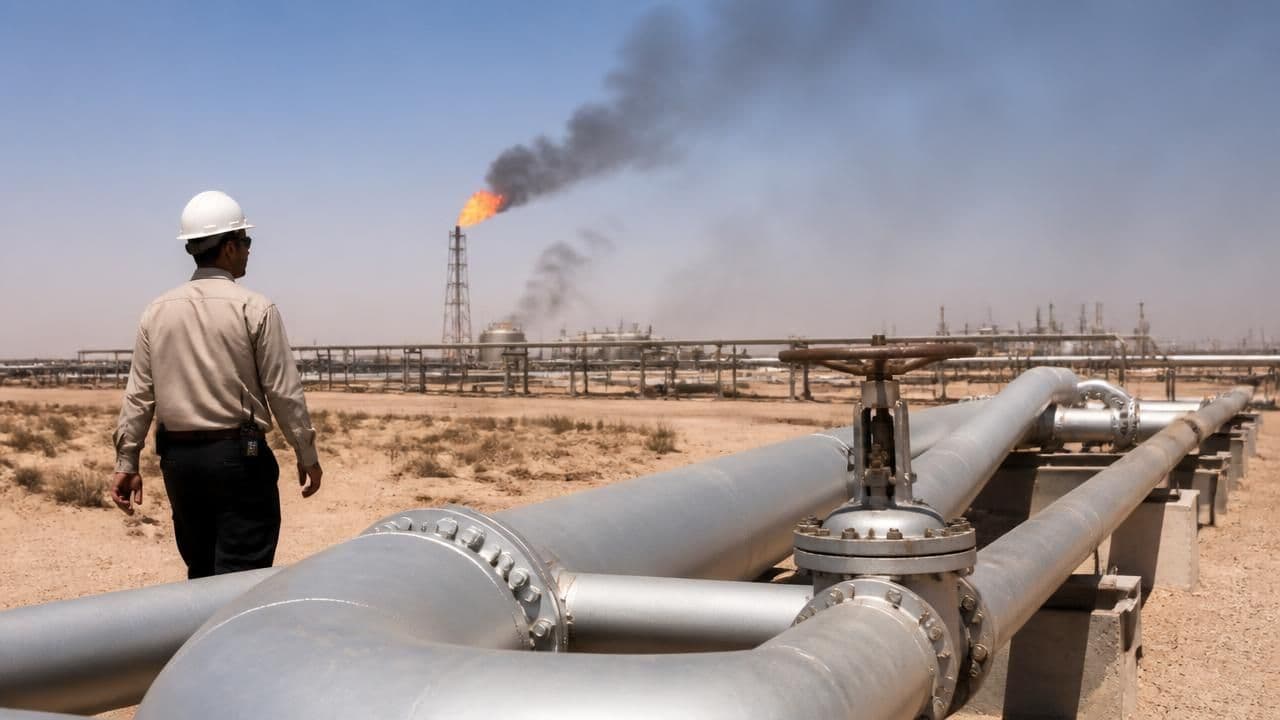
Forbes warns of a hidden data-center water risk that deserves more attention. Data centers consume vast amounts of water for cooling, often in regions already stressed by drought. That competition for water can pit operators against farmers, residents and municipalities. InsideClimate News adds another layer: former EPA officials warn that the data-center boom brings health hazards. Backup diesel generators, cooling chemicals and increased air pollution can affect nearby communities, especially low-income neighborhoods.
Former EPA officials warn that the data-center boom brings health hazards—a risk they say regulators are not yet equipped to handle, according to InsideClimate News.
These environmental costs are not always reflected in loan documents or securities filings. But they are becoming material. Local opposition can delay permits, raise construction costs and even block projects entirely, turning a financial asset into a stranded one.
China Supply-Chain and Geopolitical Exposure
CNBC reports that hidden China risks are emerging in America’s multibillion-dollar AI data-center boom. The supply chain for data centers depends on Chinese-made transformers, electrical components, cooling equipment, batteries and rare-earth materials. Tariffs, export controls or a geopolitical rupture could disrupt construction timelines and inflate costs. Investors who thought they were buying a domestic AI play may be exposed to overseas manufacturing bottlenecks.
The contrast with China itself is stark. NBC News reports that China’s data centers face little pushback amid the AI boom. One observer told NBC News: “That’s a matter for the state.” In the United States, by contrast, data centers face zoning fights, water protests and political scrutiny.
Texas and the Political Backlash
Texas welcomed the AI boom with open arms and generous incentives. Now, MSN reports, Governor Greg Abbott says data centers have “dug their own grave.” The remark reflects growing frustration over grid strain, water use and whether the industry is paying its fair share. Texas is a major data-center hub, but its power grid is already tested by extreme weather and rising demand.
The backlash is not limited to Texas. Finance & Commerce says opposition is building across the country, and American Banker reports that banks are trying to navigate it. For lenders, the political risk is now a credit risk. A project that wins permits today can face lawsuits, moratoriums or retroactive fees tomorrow.
What It Means for Investors
The AI data-center boom is not a bubble in the simple sense. Demand for compute is real, and the largest technology companies have strong balance sheets. But the financing structure is evolving quickly, and not all projects are equal. Investors should watch several indicators:
- Power and water security: Projects without firm, long-term supplies face operational and reputational risk.
- Tenant concentration: Many data centers rely on a handful of hyperscaler tenants, creating correlated exposure.
- Community and regulatory risk: Local opposition can delay or kill projects, especially in water-stressed areas.
- Supply-chain dependence: China-related bottlenecks could raise costs and slow timelines.
- Insurance and CMBS pricing: Rising premiums or tighter underwriting can squeeze returns.
Banks and CMBS investors are already adjusting. Some are demanding stronger guarantees, shorter maturities or green certifications. Others are partnering with insurers and energy companies to package risks more cleanly. The market is maturing from a land grab into a disciplined asset class—painfully.
The AI data-center boom promised a financial windfall. It is delivering one, but with water, health, geopolitical and political strings attached. The investors who thrive will be those who treat those strings as core financial variables, not externalities. As Bloomberg Markets put it, the market is being reshaped—and investors are being forced to grapple with an entirely new set of risks.