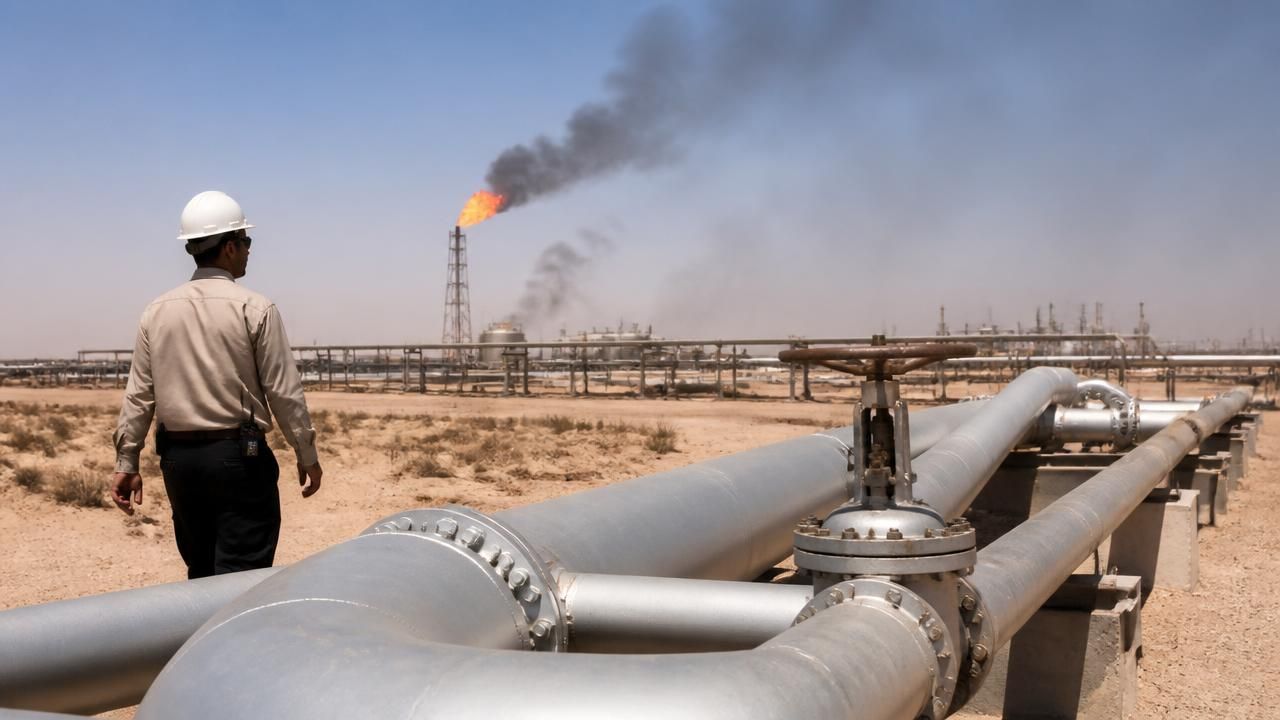
Saudi Arabia has been forced to shut a critical oil pipeline feeding the Red Sea port of Yanbu after a drone attack, throwing schedules into disarray for refiners across Asia that were expecting to lift crude there in the coming days. The disruption strikes at one of the kingdom's principal export arteries at a moment when state producer Saudi Aramco is already weighing a revamp of how it prices crude for its single largest market.
A Vital Artery, Cut
The affected line is the East-West pipeline, known in the industry as Petroline, which carries crude roughly 1,200 kilometres from the giant fields and processing hubs of the Eastern Province to the Red Sea coast, bypassing the Strait of Hormuz entirely. Yanbu, at the western terminus, is a major loading point for cargoes bound for Europe, the Mediterranean and, increasingly, Asia.
Reports of the drone strike follow a pattern of repeated attacks on Saudi energy infrastructure in recent years, most notoriously the 2019 assault on Abqaiq and Khurais, which briefly knocked out about half of the kingdom's output. This time, the damage appears confined to the pipeline system rather than production itself — a distinction that matters enormously for how markets absorb the news.
Asian Refiners Wait for Answers
According to Bloomberg Markets, refiners in Asia are seeking clarity on cargoes due to be picked up at Yanbu, with buyers uncertain whether shipments will be delayed, rerouted, or cancelled outright. Separate coverage highlighted that some buyers are already scrambling to secure an alternative pickup point, a scramble that typically pushes freight rates and spot differentials higher within hours of a supply scare.
Asia is where the disruption bites hardest. More than half of Saudi Arabia's crude exports head east, with China, India, Japan, South Korea and Taiwan the dominant buyers. Many of those refiners run configurations optimised for Saudi grades, meaning a sudden change in loading logistics — even a temporary one — can cascade through refinery scheduling, tanker availability and hedging books.
Why the Supply Impact May Stay Limited
The immediate read from several outlets was that the shutdown should have a constrained effect on global supply. That framing rests on three pillars:
- Alternative loading capacity: Saudi Arabia can shift volumes to Gulf coast terminals such as Ras Tanura, bypassing the damaged segment at the cost of longer voyages and higher freight.
- Spare production capacity: Aramco retains meaningful spare output, and OPEC+ quota policy has left the kingdom with room to absorb short-term interruptions.
- Inventory buffers: Global commercial inventories and floating storage remain adequate to cover a disruption measured in days rather than weeks.
The contrast between the headline severity of a "pipeline closure" and the muted price reaction reflects a market that has grown inured to Middle East supply shocks — and one that has learned, since 2019, to price them as transient events.
Aramco Weighs New Pricing for Asia
Complicating the picture is a separate signal reported by Rigzone: Aramco is mulling a new oil pricing mechanism for Asia. The company sets a monthly Official Selling Price (OSP) for its grades, historically benchmarked for Asian buyers against the average of Oman and Dubai crude assessments. Any shift in that benchmark — toward a different futures marker, for instance — would ripple through term contracts worth billions of dollars annually and reshape hedging strategies from Singapore to Mumbai.
The timing is delicate. Buyers already unsettled by loading uncertainty are being asked, in effect, to digest potential changes to the formula that determines what they pay. Pricing reforms of this kind are rarely welcomed by refiners during periods of logistical stress, and negotiations over term volumes could become more fraught as a result.
How the Story Was Framed
Coverage of the incident diverged in emphasis, reflecting the different audiences each outlet serves.
"Asia Refiners Seek Saudi Updates After Oil Pipeline Closure" — Bloomberg Markets
"Saudi pipeline shutdown expected to have limited supply impact" — MSN
"Asian refiners seek alternative pickup point for Saudi crude" — MSN
"Aramco Mulls New Oil Pricing for Asia" — Rigzone
The wire-service framing leaned operational and buyer-centric: what happens to the cargoes, and who is affected. The aggregation coverage leaned reassuring, stressing that the physical market can absorb the hit. The trade-press angle looked past the immediate outage toward structural questions about how Saudi crude is priced — a reminder that in oil markets, the slow-moving policy story often outlasts the fast-moving supply story.
What to Watch
Three things will determine whether this remains a footnote or becomes a genuine market event. First, the duration of the pipeline outage: a repair measured in days is absorbable; one measured in weeks forces a reallocation of export flows that could tighten Mediterranean and European markets. Second, whether the attack signals an escalation in a broader regional campaign against Saudi infrastructure, which would raise the risk premium embedded in Brent and Dubai benchmarks. Third, whether Aramco proceeds with its Asian pricing review — and whether buyers respond by seeking greater supply diversification.
For now, the message from traders is one of watchful patience. Refiners want certainty on their barrels. The market, so far, is betting they will get them.