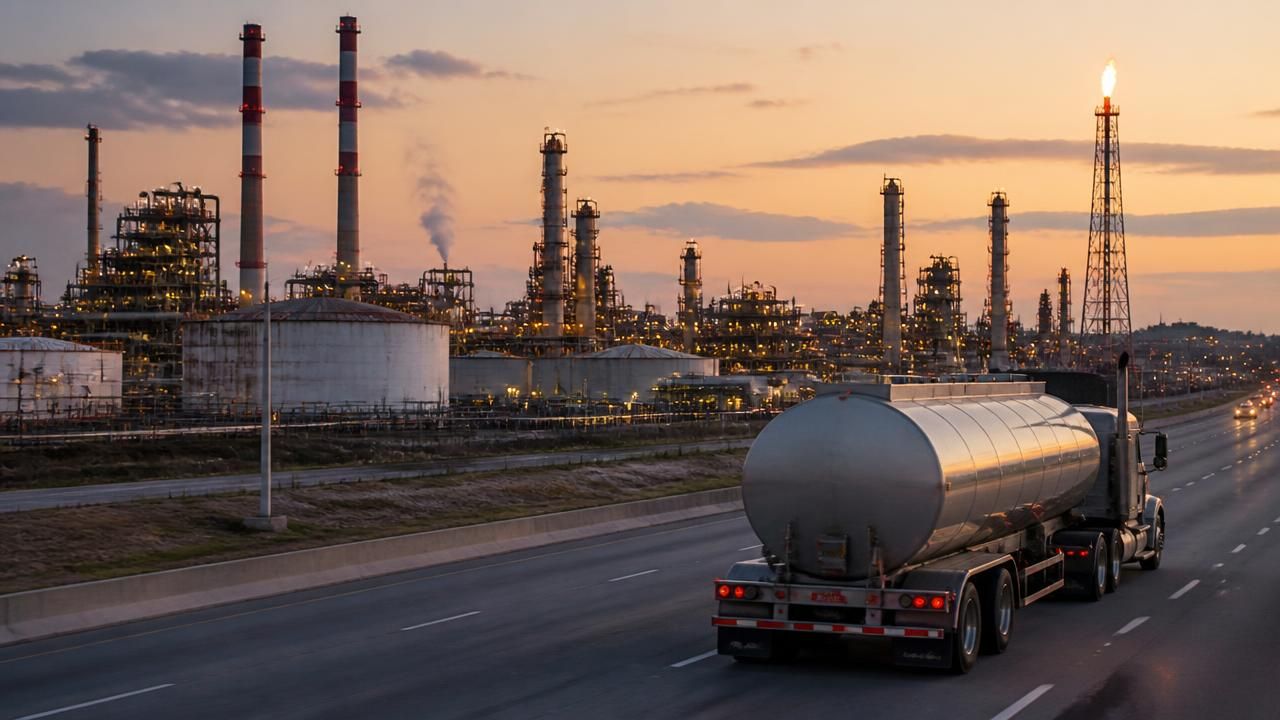
Diesel prices have climbed to all-time highs, and the reason is not a shortage of crude oil but a shortage of the industrial capacity to turn it into fuel. The record run is exposing what energy analysts describe as the weakest link in the global petroleum supply chain: refining, a capital-intensive, slow-moving business that cannot be scaled up on demand.
According to Bloomberg Markets, refinery disruptions abroad are colliding with limited domestic capacity in the United States, where plants are already running close to their practical maximum. GasBuddy analyst Patrick De Haan told Bloomberg This Weekend that the arithmetic is unforgiving.
"Producing more crude alone won't solve the problem, because refiners are already operating near their limits — leaving little room to boost gasoline and diesel supplies quickly." — Patrick De Haan, GasBuddy
The constraint matters because diesel is the circulatory system of the industrial economy. It powers long-haul trucking, freight rail, agricultural machinery, construction equipment, backup generators and home heating in much of the Northeast. When distillate prices spike, the cost ripples through food, retail and manufacturing supply chains within weeks.
A bottleneck, not a crude shortage
The United States has not built a large-scale, grassroots refinery in decades. Capacity has instead been consolidated, upgraded and, in several cases, retired — most notably when the pandemic crushed fuel demand in 2020 and marginal plants were converted to renewable diesel or shut outright. That leaves the system with very little slack when an unplanned outage, a maintenance turn-around or a foreign supply disruption hits.
The international picture compounds the problem. Sanctions and shifting trade flows since the war in Ukraine have rerouted diesel cargoes, lengthened voyage distances and forced buyers in Europe and Latin America to compete for the same Atlantic Basin barrels. Disruptions at refineries abroad — whether from outages, weather or geopolitics — tighten an already thin market.
MSN's coverage frames this bluntly, describing refining bottlenecks as "the next big oil problem" as Middle East skirmishes flare up. OilPrice.com goes further, arguing in its headline framing that the diesel crisis threatens to outlast the Middle East war itself — a signal that traders view refining capacity, not battlefield headlines, as the durable structural issue.
How different outlets frame the story
- Bloomberg Markets treats it as a supply-chain and commodities story, centered on the physical limits of refining and the futility of simply pumping more crude.
- Politico frames the same record prices politically, tying them to the Trump administration's energy posture and the policy levers — or lack of them — available in Washington.
- Yahoo Finance and MSN approach it as a markets story, highlighting three refiners converting the crisis into record profits.
- OilPrice.com emphasizes geopolitics and duration, warning the diesel squeeze could persist well beyond the current Middle East conflict.
Several of these reports sit behind paywalls or access restrictions — Politico requires JavaScript and cookies, financial-world.org returned a 403 error and Yahoo Finance's feed was rate-limited — but their headlines alone reveal a shared conclusion: the story has migrated from geopolitics to industrial capacity.
The profit paradox
For independent refiners, the crisis is a windfall. Crack spreads — the margin between a barrel of crude and the products refined from it — widen dramatically when distillate supplies are tight, and refiners with available capacity, favorable crude slates and coastal export access capture the difference. The result is a split-screen economy: record profits on the refining side, record costs for truckers, farmers and homeowners on the other.
That divergence tends to draw political attention quickly. High diesel prices function as a tax on goods movement, and they show up in headline inflation data with a lag. Policy responses under discussion in Washington have included emergency waivers, pressure on producers, and appeals to OPEC+ — none of which address the refining bottleneck directly in the short term.
Why it could persist
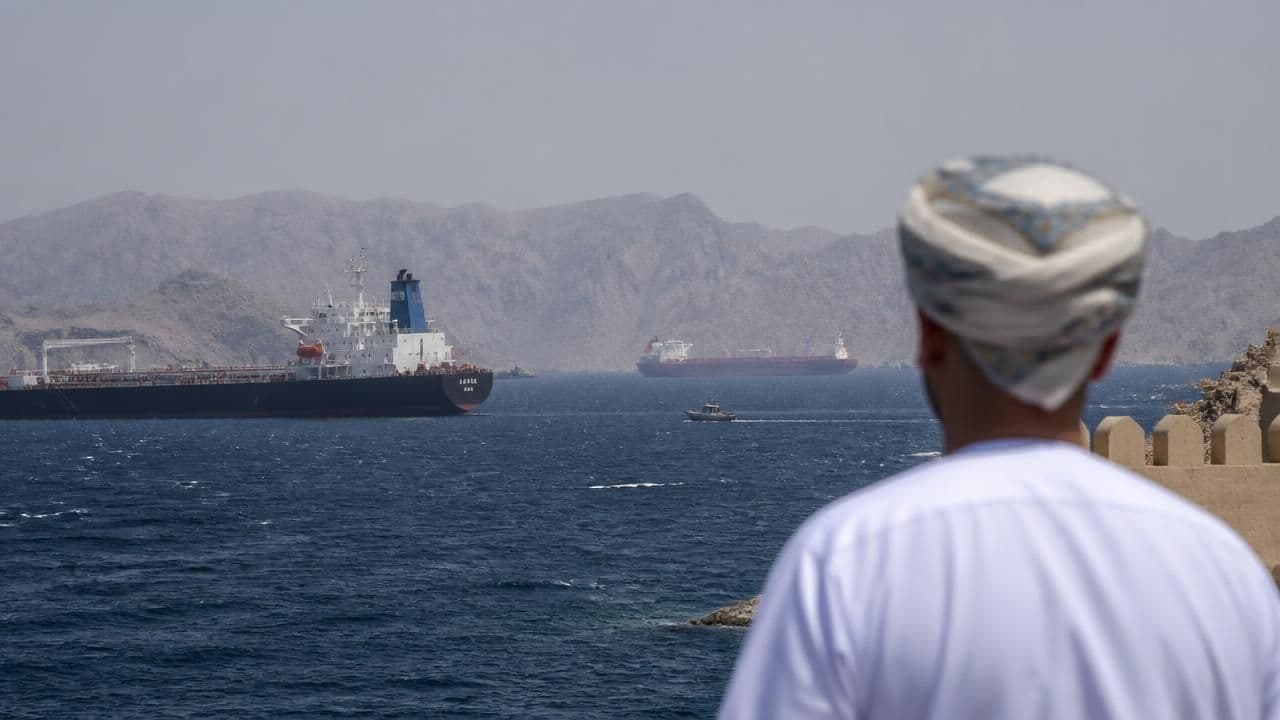
Three factors argue against a fast resolution. First, refinery maintenance cycles are scheduled months in advance and cannot be compressed. Second, new capacity takes years and faces permitting, environmental and community opposition. Third, geopolitics keeps adding risk premiums: any escalation threatening the Strait of Hormuz or Red Sea shipping routes would further stretch an already tight distillate market.
Seasonal demand adds pressure. Diesel consumption rises with harvest season, winter heating and holiday freight volumes, meaning the market must absorb any supply shock with even less cushion.
What to watch
- US refinery utilization rates and any unplanned outages at major Gulf Coast and Midwest plants.
- Distillate inventories, particularly in the Northeast and Europe.
- Whether the White House turns to emergency measures or strategic reserve releases.
- Refiner earnings guidance, which will quantify exactly who is winning from the squeeze.
The larger lesson may outlast this cycle. For two years the energy debate has focused on crude supply, OPEC+ quotas and sanctions on Russian barrels. The diesel crisis reframes the problem: in a world that can produce plenty of oil but refine less of it than it needs, the bottleneck — not the barrel — sets the price.