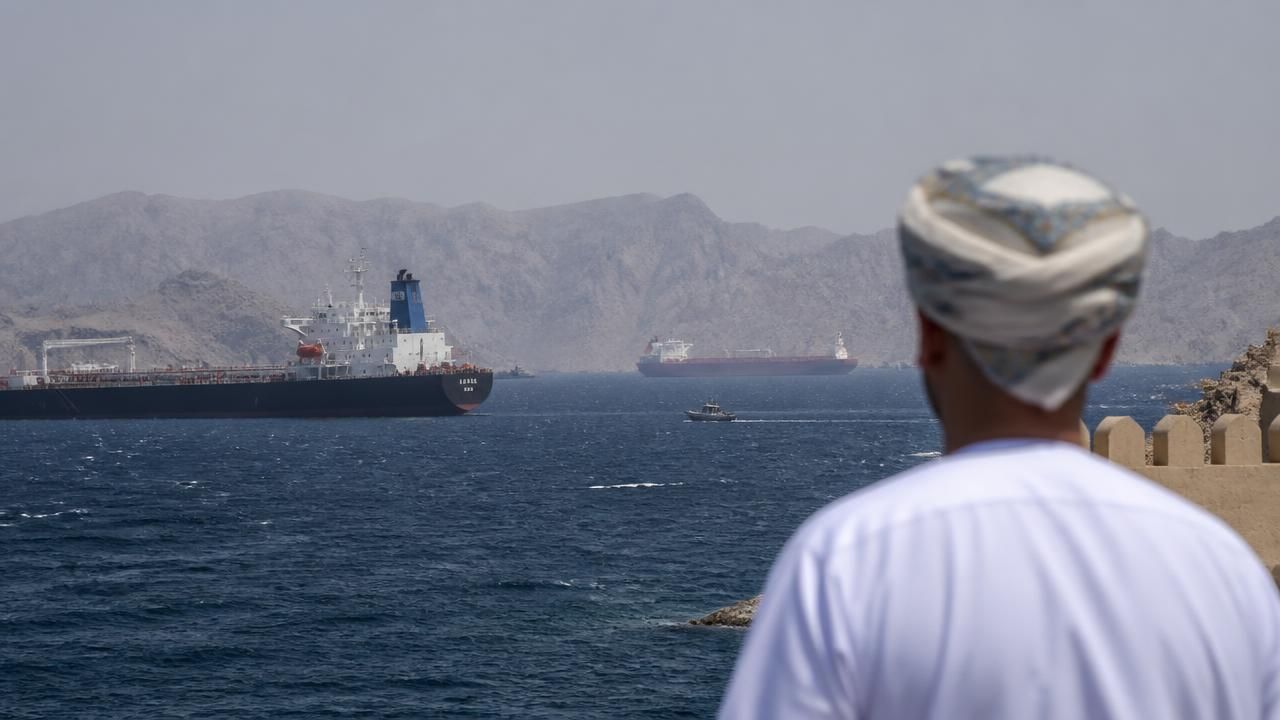
DUBAI — Iran and Oman are negotiating a new framework to govern shipping through the Strait of Hormuz, regional officials say, as repeated attacks on vessels, an intensifying U.S. sanctions campaign and threats against Gulf port cities push the world's most important energy chokepoint toward a reckoning.
The talks pivot on a Gulf-backed proposal presented to Tehran by Oman that would replace Iran's contested demand for mandatory transit tolls with a system of "voluntary" fees, according to Reuters. Iranian and Omani delegations have been working through three interlinked questions — navigation rules, jurisdiction over the waterway and who bears the cost of keeping it open — France 24 reported.
The diplomacy remains fragile and, at times, openly contradictory. Iran's state-aligned outlets have framed the discussions as an emerging understanding, with MSN reporting plans for a joint demining operation and a temporary shipping corridor. A senior Iranian source told The Detroit News that the accord is "still being worked on." Yet The Times of India reported that Oman had rejected Iran's toll proposal outright — a reminder that no single account of the negotiations has been confirmed by all parties.
Why Hormuz Matters
Roughly a fifth of the world's consumed oil and a significant share of liquefied natural gas moves through the Strait of Hormuz, the narrow waterway between Iran and Oman that connects Gulf producers to global markets. Any sustained disruption there ripples instantly into freight rates, insurance premiums and pump prices — which is why the standoff has become as much a financial story as a military one.
For months, shipping through the strait has been menaced by attacks that have driven up energy costs and prompted insurers to reprice Gulf routes. Iran has simultaneously tightened its grip on traffic, with reports describing "fines, detention, confiscation" imposed on vessels — measures that amount to a de facto assertion of control over passage.
A Gulf-Backed Compromise
Oman's proposal, according to Reuters, would create a voluntary fee structure that gives Tehran a financial stake in the waterway without formalizing a toll regime that Gulf monarchies and Western governments could never accept. Bloomberg reported that Gulf states are weighing how to respond to Iran's push for a "new arrangement," with growing regional frustration over a conflict that has destabilized their own economies and left them exposed as U.S. allies.
Qatar has separately pushed "de-escalation" talks with Iran, discussing both a temporary Hormuz shipping corridor and a joint mine-clearance plan. Mine clearance is the practical key to any deal: without confidence that the waterway is navigable, shipowners and their underwriters are unlikely to return in force regardless of what is signed.
"We will correct delusions," Iranian officials said, rejecting U.S. characterizations of the security situation in the strait even as Tehran signaled readiness to escalate in the face of rising American pressure, according to The New York Times.
Trump's Economic Offensive
President Trump has said Tehran wants a deal, floated the idea of U.S. control over the Strait of Hormuz and warned that Iran is "in big trouble." Fox News reported that Iranian officials have described a "two-year" plan to withstand what they call an "Economic D-Day" of American sanctions.
CNN framed the president's strategy as a new plan to crush Iran's economy — with an open question about whether Washington will stay the course. The ambiguity cuts both ways: Trump's suggestion of U.S. stewardship of Hormuz unsettled Gulf capitals that prefer a regional solution, while his threat of economic strangulation gives Tehran an incentive to keep the waterway in play as leverage.
Iran's Supreme Leader, Ayatollah Ali Khamenei, used the moment to call for Gulf unity, a message aimed at splitting the monarchies from Washington. The pitch has had only partial success. Gulf governments, frustrated by the costs of a war they did not choose, are nonetheless looking for a larger role in shaping a path forward, Bloomberg reported.
The Conflict Widens
Diplomacy is being conducted under fire. The Associated Press reported new attacks on Gulf countries after Iran warned major UAE ports to evacuate — a warning that, if carried out, would strike at the commercial heart of the region. Separately, The Times of India reported that Iran-backed Houthis had taken control of an island in the Bab el-Mandeb Strait, placing a second vital trade artery at risk and threatening the Red Sea route that many carriers had used to bypass Hormuz.
Washington has claimed progress in reopening the strait, but The Courant noted that the war is far from over, and Tehran has publicly questioned U.S. assertions that oil is "normally" transiting the southern route.
What Comes Next
Analysts see three possible paths. The first is a narrow technical agreement — demining, a temporary corridor and voluntary fees — that restores partial traffic without resolving the underlying dispute. The second is a wider U.S.-Iran confrontation in which Hormuz becomes a theater rather than a negotiating table. The third is a prolonged limbo in which selective Iranian enforcement keeps risk premiums elevated and energy markets jittery.
For now, the markets are pricing the middle option. Freight and insurance costs remain elevated, Gulf producers are quietly diversifying export routes, and the negotiators in Muscat are working against a clock set not by diplomacy but by the next attack.