Sen. John Fetterman made an unannounced video appearance at a Republican convention this week, a move that instantly became the most-talked-about moment of the gathering and the latest flashpoint in the Pennsylvania Democrat's long-running feud with his own party.
According to multiple reports, Fetterman — who was not listed on any public program — delivered a taped message to Republican attendees in which he discussed the possibility of working with President Donald Trump. Notably, he did not offer direct praise of Trump, according to NPR, which described the video as a surprise addition to the convention's lineup and framed it squarely around Fetterman's strained standing among Democrats.
A Surprise From Across the Aisle
The appearance, first reported by NPR and KGOU and quickly picked up by The Guardian, Yahoo, MSN and Fox News, was notable less for its length than for its venue. Fetterman's decision to send a message to a Republican gathering — the type of event typically reserved for members of the host party — raised immediate questions about his political identity and his relationship with the Democratic caucus.
"He spoke about working with Trump but did not outright praise him," NPR reported, a distinction that would become central to how the story was told across the political spectrum.
Fetterman has spent much of his Senate tenure cultivating precisely this kind of ambiguity. He has met with Trump, backed some of the president's nominees, and broken with Democratic leadership on immigration enforcement and other flashpoints. Those choices have made him a frequent target of progressive criticism at home while simultaneously making him one of the few Democrats Republicans regularly cite approvingly.
Two Very Different Headlines
The biggest divide in coverage was not over what Fetterman said, but what his appearance meant.
- NPR and KGOU emphasized the intraparty dimension, noting in their headlines that Fetterman was "already at odds with his party" before the video aired — treating the GOP appearance as an escalation of an existing conflict rather than a new one.
- The Guardian and MSN played the story straight, leading with the surprise nature of the appearance at a Republican convention ahead of the midterms.
- Fox News leaned into the question of allegiance, reporting that Fetterman "insists he's still a Democrat" and teasing where his "true loyalty lies" — a framing that cast the senator as a man caught between two camps.
- Yahoo highlighted the cameo as "praising Republicans," a characterization that sits awkwardly beside NPR's reporting that he stopped short of praising Trump himself.
That gap in framing is telling. For outlets on the right, the story is evidence that even Democrats acknowledge Republican momentum. For outlets on the left, it is further confirmation that Fetterman is a senator without a natural political home.
An Uncomfortable Fit at Home
Fetterman's trajectory has been unusual. Elected in 2022 after a stroke that complicated his campaign, he arrived in Washington as a progressive folk hero — the hoodie-wearing, tattooed former mayor of Braddock. Within two years, he had become one of the Senate's most vocal critics of his own party's left flank, particularly on Israel, border policy and the treatment of Trump-era prosecutions.
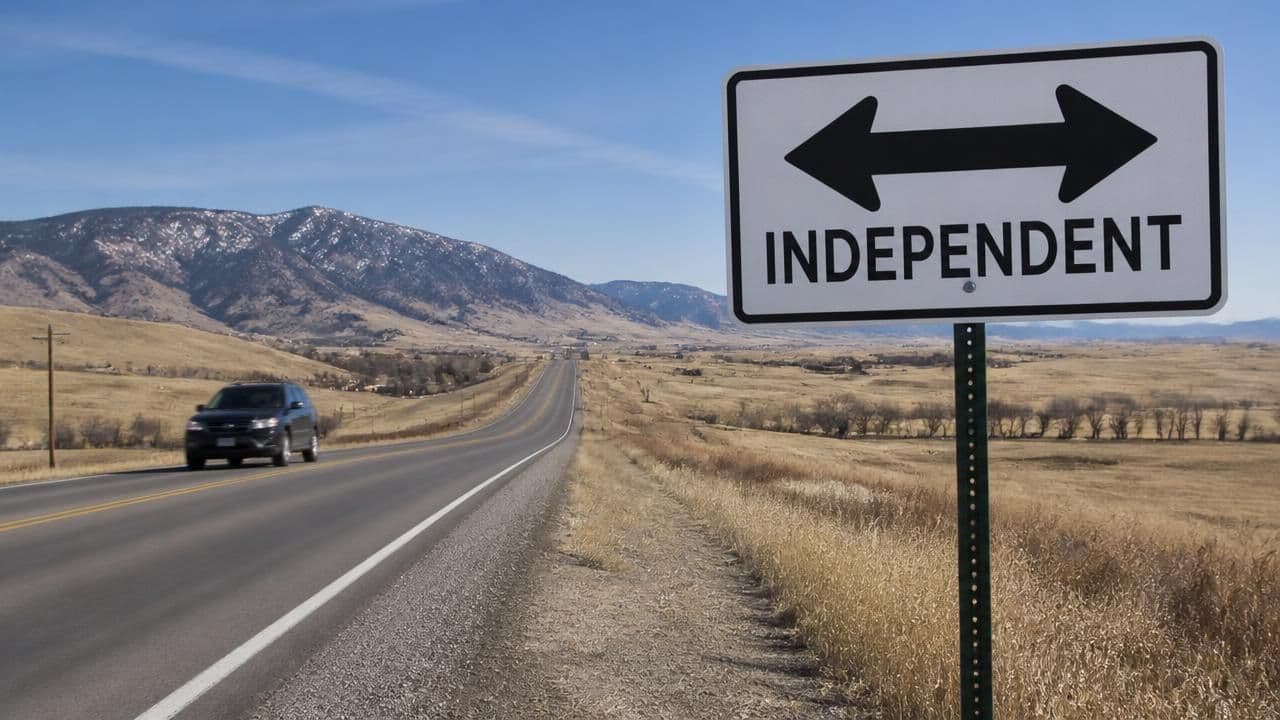
His public breaks have been steady enough that speculation about a party switch resurfaces with regularity — speculation he has repeatedly rejected. Fox News reported that Fetterman was explicit on that point after the appearance: he remains a Democrat.
Still, the video lands in a party already nervous about its 2026 midterm map. Pennsylvania is among the most competitive states in the country, and Republicans have signaled they intend to contest it heavily. A Democratic incumbent generating headlines like these cuts both ways: it may appeal to swing voters who reward independence, but it feeds the perception among the base that Fetterman is more interested in his own brand than in the party's fortunes.
What Comes Next
For Republicans, the video is a gift — a moment of bipartisan validation they can replay at fundraisers and in advertising. For Democrats, it is a headache that will likely be met, as previous episodes have been, with a mixture of silence from leadership and frustration from activists.
Fetterman, for his part, has shown no inclination to change his approach. His allies argue that voters are exhausted by strict party loyalty and that his willingness to talk to Republicans is a strength, not a liability. His critics counter that there is a difference between working across the aisle and performing for the other side's cameras.
What is clear is that the episode has done little to resolve the central question of Fetterman's political future — and has almost certainly guaranteed that the next chapter will be watched just as closely.