Apple's September hardware showcase delivered plenty of firsts: the iPhone Duo, the company's debut foldable; the iPhone 18 Pro and Pro Max; active noise cancellation finally coming to the cheapest model in the lineup, the AirPods 5; and a new Siri Recap feature arriving on the Watch Series 12 and Watch Ultra 4. What it did not deliver, to the relief of some and the disappointment of others, was the camera-equipped AirPods Pro that had been rumored relentlessly throughout the year.
According to Bloomberg's Mark Gurman, the product has been delayed until 2027. Yet the story is messier than a simple no-show, because Apple's own software appears to have already confirmed the device exists.
What Apple actually shipped
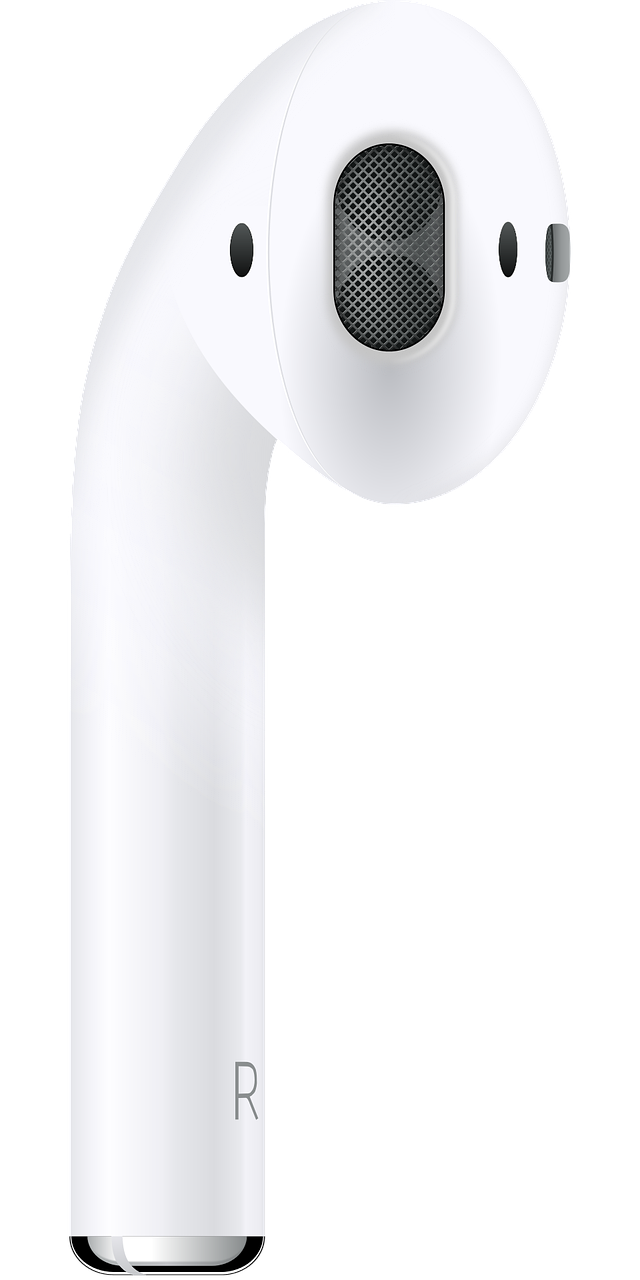
The AirPods 5, now the entry point to Apple's earbud line, inherit active noise cancellation — a feature that until recently was reserved for the premium Pro tier. AndroidHeadlines framed the launch bluntly: the AirPods 5 may finally be here, but buyers should not expect cameras yet. That distinction matters, because it separates what Apple is willing to sell today from what its engineers are quietly building for later.
Alongside the earbuds came the foldable iPhone Duo, a symbolic milestone for a company that spent years dismissing the form factor, and the Siri Recap feature, which extends Apple's AI ambitions to the wrist.
The camera AirPods that weren't
Expectations had been running high. Gizmochina reported before the event that camera-equipped AirPods could launch alongside the iPhone 18 Pro in September. Mashable's pre-event rumor roundup grouped the AirPods 5, the cameras, and AI into a single narrative arc — three threads Apple ultimately pulled apart. Forbes, meanwhile, reported that the camera AirPods are being held until 2027 “despite Apple's video confirmation,” suggesting the company has already publicly demonstrated or acknowledged some portion of the technology.
The strongest evidence surfaced on the software side. Cult of Mac reported that AirPods Pro camera functionality leaked inside the macOS 26.7 release candidate, indicating the feature is far enough along to have left Apple's internal prototypes and entered shipping code. Mashable went further, noting that the AirPods with cameras were not the only new product Apple inadvertently revealed — the software leak spilled additional unannounced hardware as well.
Two camps, one pair of earbuds
The delay has not cooled the debate. The Verge greeted the absence with relief, arguing that camera-equipped earbuds raise a thicket of privacy concerns that no company — Apple included — has adequately answered.
“I'm happy about that and I hope we never get them,” The Verge wrote of the missing AirPods Pro, citing broad concerns about putting cameras on a device worn in public at all times.
AppleInsider took the opposite position, publishing an argument whose headline said it plainly: there is a good reason to praise AirPods with cameras, and not to fear them. The outlets are not really disagreeing about facts; they are disagreeing about the social cost of ambient sensors.
Why cameras in earbuds at all?
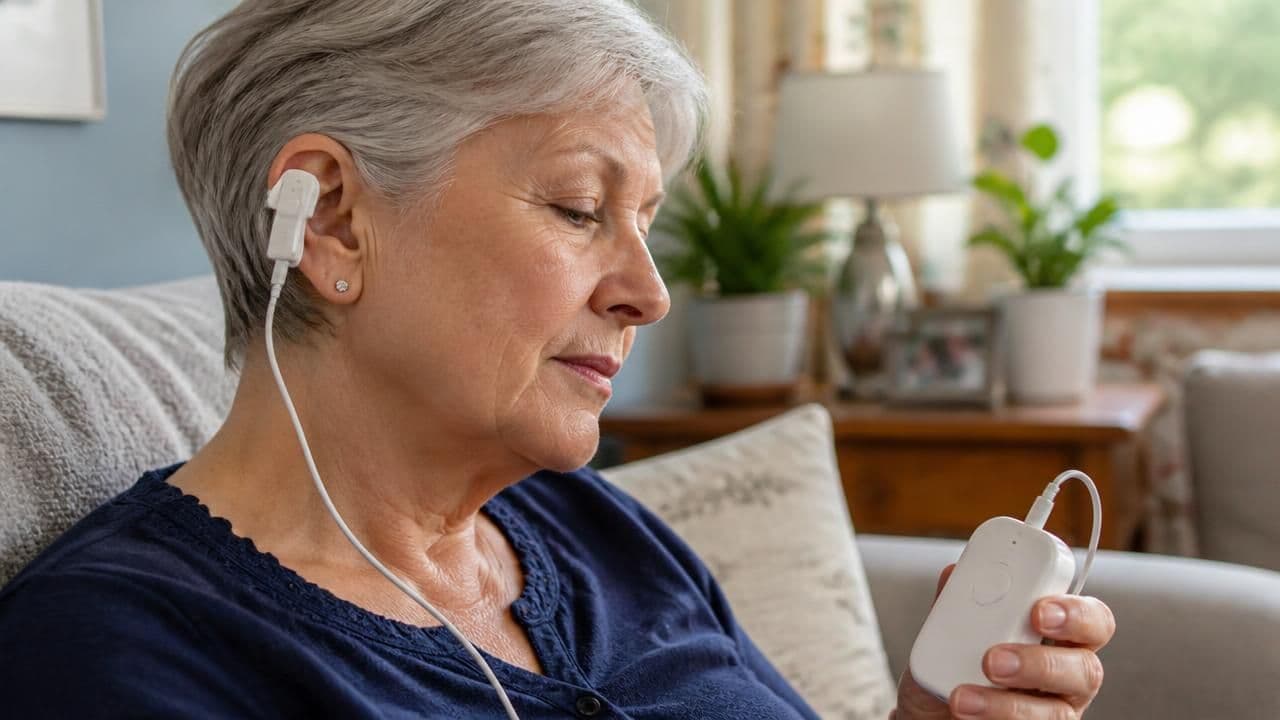
The answer is almost certainly not photography. Cameras small enough to fit in an earbud stem produce images far below phone quality. Their value lies in context: downward- and outward-facing sensors that let a voice assistant understand what the wearer is looking at, feeding visual intelligence features that underpin Apple's AI strategy.
That framing places AirPods in direct competition with Meta's Ray-Ban smart glasses, which have demonstrated genuine consumer appetite for camera-equipped wearables — but also the discomfort that comes with face-worn cameras. Earbuds occupy a different social position. They are already normalized in offices, gyms, sidewalks, and transit. A camera tucked into a stem is far less conspicuous than a lens above the nose, which is precisely what makes privacy advocates uneasy and AI optimists excited.
Apple has spent years positioning itself as the privacy-first technology company. A camera array built into its best-selling wearable would test that positioning in a way that on-device processing claims may not fully neutralize.
The 2027 timeline
A slip to 2027 gives Apple time on several fronts. The company can refine the visual intelligence stack, decide how the hardware signals recording status to bystanders, and settle questions about where image processing occurs. It also aligns the product with a maturing generation of on-device AI models that would make the sensors genuinely useful rather than a novelty.
For consumers, the practical takeaway from this September is straightforward: the AirPods 5 are available now, with noise cancellation at the lowest price Apple has ever offered it. Everything else about Apple's camera-eared future remains speculation, leaks, and code strings — for at least another year.