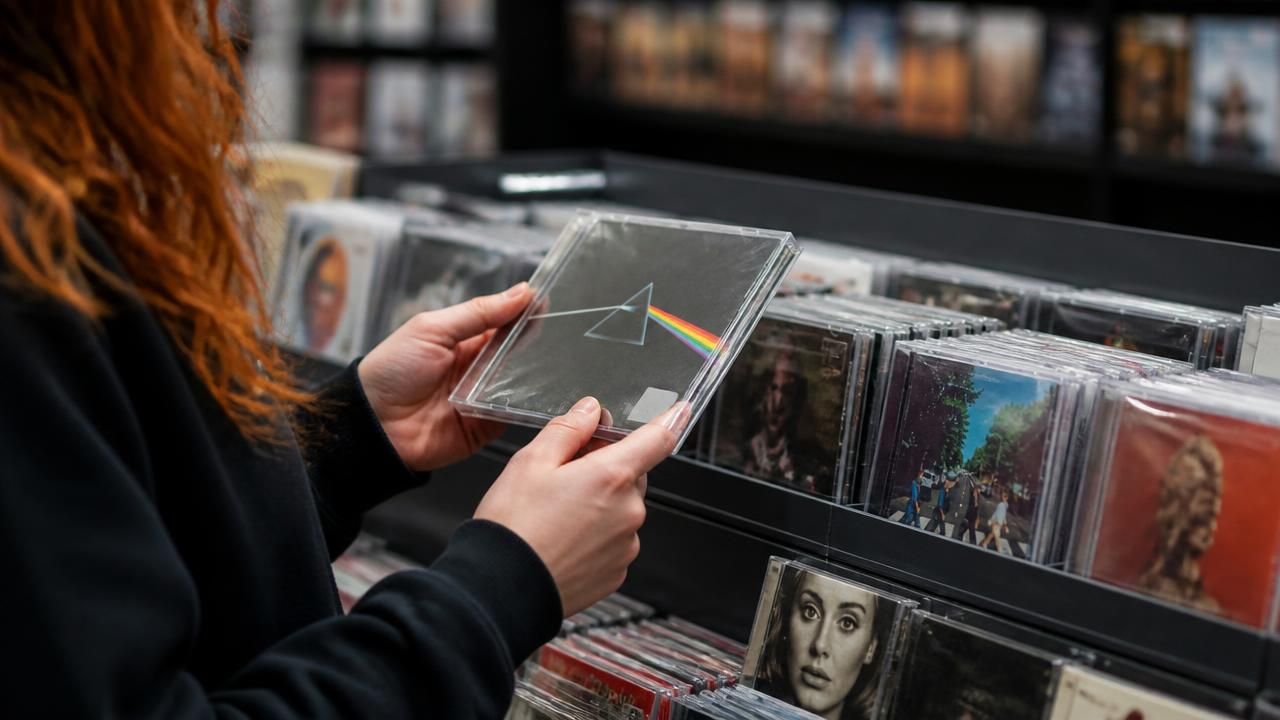
The compact disc is not dead. Far from it—according to a new report from the Recording Industry Association of America (RIAA), CD sales exploded in the first half of 2026. The RIAA reports that 17.5 million CDs were sold in the first six months of the year, up from just 12 million during the same period in 2025. That is a jump of 45.7 percent in units and 58.6 percent in dollar terms, which reached $171.1 million. The surge is even more remarkable when you consider that CD sales actually shrank 22 percent from 2024 to 2025.
The Numbers Behind the CD Boom
The RIAA is not alone in noticing the resurgence. Research firm Luminate, which tracks music consumption, released its own mid-year report in July 2026, tallying 16.3 million CD units sold in the first half of the year. While the figures differ slightly due to methodology, both sources confirm a dramatic reversal of a long downward trend.
To put the numbers in perspective, the CD market had been shrinking steadily for over two decades, with streaming accounting for more than 80% of recorded music revenue. A decline of 22% from 2024 to 2025 suggested the format was headed for obsolescence. Instead, the first half of 2026 has produced a double-digit percentage surge that has caught even industry veterans by surprise.
Physical media is enjoying a broader moment. Headlines from Yahoo Finance and MSN note that 'retro media' sales are up sharply, with vinyl records seeing an 18% increase in the same period. The compact disc, once dismissed as a relic of the 1990s, is now sharing in a revival that has also boosted cassette tapes and even MiniDisc players.
A Broader Physical Media Resurgence
The CD boom is part of a larger trend toward tangible formats that has been building since the late 2010s. Vinyl sales have grown steadily for over a decade, and in 2025, vinyl outsold CDs for the first time in over 30 years. Now CDs are fighting back. Collectors, audiophiles, and younger listeners—many of whom never owned a CD player in their youth—are driving demand.
According to Luminate, the average CD buyer in 2026 is younger than the typical purchaser from 10 years ago, suggesting that the format is gaining novelty appeal among Generation Z. Retailers such as Urban Outfitters and Barnes & Noble have expanded their music sections, while indie record stores report that CDs now account for a growing share of their revenue.
Why Are CDs Making a Comeback?
Several factors explain the surge. First, streaming fatigue is real. As streaming services raise prices, reduce catalog depths, and sometimes remove songs without notice, listeners are seeking ownership. A CD offers a permanent, non-DRM-protected copy of an album, complete with liner notes and artwork.
Second, nostalgia is powerful. The 1990s and early 2000s are now nostalgic touchstones for a generation that grew up with CDs. For younger listeners, the format is a curiosity—something distinct from the infinite cloud of streaming. As one Verge reviewer put it, 'There's some real gems in there,' captioning a photo of a CD collection. The physical object has a tactile, collectible quality that digital files cannot reproduce.
Third is the so-called 'physical media backlash.' Consumers have grown frustrated with the ephemeral nature of digital ownership. When a streaming service loses a licensing deal, songs vanish. When a hard drive fails, a lifetime of downloads can disappear. CDs are resilient and permanent. This sentiment is reflected in the Yahoo Finance headline that frames the surge as 'strong resurgence amid physical media backlash.'
Industry Perspectives and Market Dynamics
News coverage of the boom has varied in emphasis. The Verge dubbed it 'CD sales are booming as physical media continues its resurgence,' while MSN headlines used phrases like 'unexpected comeback' and 'retro tech boom.' These different frames highlight the dual nature of the story: it is both a commercial surprise and a cultural shift.
Some analysts caution that the growth is from a low base and may be volatile. After all, a 45.7% jump sounds impressive, but 17.5 million CDs is still far below the peak years of the late 1990s, when the industry shipped nearly one billion CDs annually. Even so, the dollar figure—$171.1 million in six months—represents real money for labels and retailers.
Record labels are taking notice. Some have begun reissuing classic albums in special CD editions with bonus tracks, remastered audio, and expanded booklets. New releases often get a CD release alongside streaming and vinyl, recognizing that a dedicated segment of fans will pay for the physical artifact.
What This Means for the Music Business
The CD resurgence is unlikely to reverse the dominance of streaming, which still generates the vast majority of industry revenue. But it adds a profitable niche that can support artists and labels beyond the algorithmic churn of playlists. Physical sales often come with higher profit margins, and superfans routinely buy multiple editions of an album.
For retailers and manufacturers, the boom means rethinking supply chains. CD pressing plants, which had shuttered across the 2010s, are reopening or expanding. JVC Media America, one of the last major CD manufacturers, has reportedly increased production shifts. Logistics companies that once discounted physical media now treat it as a premium product.
The story also speaks to the enduring human need to own and hold a piece of culture. In a digital world, the CD is a tangible artifact that connects us to sound in a way that a stream cannot. As the first half of 2026 shows, reports of the CD's death were greatly exaggerated.