An Egyptian court has sentenced a well-known television presenter and 11 others to death for manufacturing and trafficking narcotics, in a case that has drawn international attention to the country's stringent anti-drug laws and the dramatic fall of a media personality who once chronicled crime.
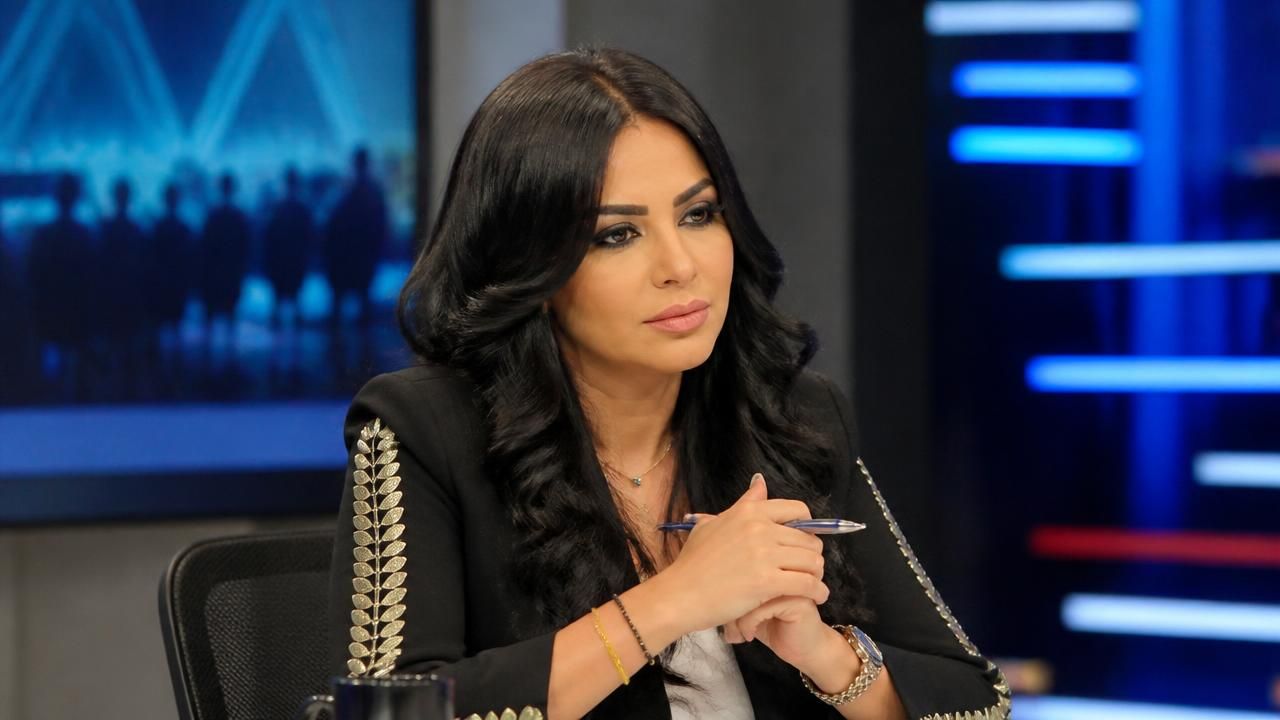
Sarah Khalifa, 39, the host of the popular crime and security program Mission Impossible, was convicted alongside her co-defendants on charges of forming an organized criminal gang to manufacture and traffic drugs. The verdict was reported by Egyptian state media on Saturday, though the exact date and location of the court ruling were not specified in official statements.
A Celebrity on the Wrong Side of the Law
Khalifa was a familiar face on Egyptian television, known for her investigative-style show that delved into issues of security and crime. Her sudden transformation from a presenter who exposed criminal activity to a convicted drug trafficker has stunned viewers and colleagues alike.
The case emerged from a years-long investigation by Egyptian authorities, who alleged that Khalifa and her co-defendants operated a sophisticated drug manufacturing and distribution network. Details of the operation, including the types of drugs involved and the scale of the trafficking, remain under seal due to the ongoing judicial process.
"She portrayed herself as a champion of justice on screen, but the evidence presented in court painted a very different picture," a judicial source told local media on condition of anonymity.
Egypt's Harsh Drug Laws and the Death Penalty
Egypt maintains some of the most severe penalties for drug-related offenses in the Middle East. Under Law No. 182 of 1960, manufacturing, trafficking, or possessing large quantities of narcotics can carry the death sentence. The law is applied broadly, and convictions are often based on confessions, witness testimony, and forensic evidence.
Human rights organizations have long criticized Egypt's use of the death penalty, arguing that it is applied disproportionately and without sufficient due process. However, Egyptian officials maintain that such sentences are necessary to combat a drug epidemic that threatens the country's youth and national security.
In recent years, Egypt has executed dozens of individuals convicted of terrorism, but death sentences for drug crimes have also been handed down, though they are less frequently carried out. All death sentences in Egypt must be ratified by the Grand Mufti, the country's top religious authority, a process that can take months or even years. Khalifa and her co-defendants retain the right to appeal.
Coverage and Reactions
The story has been reported by international outlets including The Guardian, which first brought global attention to the case, and was subsequently picked up by MSN and others. The Guardian's report highlighted Khalifa's age and her program's focus on security issues, noting the irony of her conviction.
On social media, reactions have been mixed. Some Egyptians expressed shock that a public figure could be involved in such serious crimes, while others voiced support for the judicial process, viewing the sentence as a deterrent. A minority questioned whether Khalifa's celebrity status may have made her a scapegoat in a broader crackdown on dissent, though no evidence has emerged to support that claim.
Legal experts suggest that the high-profile nature of the case could influence its outcome on appeal. "Egyptian courts often show leniency on appeal in drug cases, especially when defendants argue procedural irregularities," said Dr. Amr El-Sherif, a professor of criminal law at Cairo University. "However, the seriousness of the charges and the number of defendants may complicate any attempts to overturn the sentence."
The Wider Context: Egypt's Drug Problem and Judicial System
Egypt faces a significant drug problem, with authorities reporting a rise in the use of synthetic drugs, particularly Captagon, which has flooded the region. The government has launched aggressive anti-drug campaigns, but critics argue that focusing on low-level dealers and celebrity cases does not address underlying issues such as poverty and lack of opportunity.
The case also throws a spotlight on Egypt's judicial system, which has been under scrutiny since the 2013 military takeover. International legal watchdogs have repeatedly called for Egypt to reform its courts, citing mass trials and lack of transparency. Yet, for many Egyptians, the swiftness of the verdict against Khalifa is seen as a sign that no one is above the law.
Sarah Khalifa is currently in custody awaiting the final ratification of her sentence. Her family has not issued a public statement, but a lawyer representing her said they will exhaust all legal avenues to overturn the "harsh and shocking" verdict.
Key Facts at a Glance
- Who: Sarah Khalifa, 39, Egyptian TV presenter, and 11 others.
- What: Sentenced to death for forming an organized gang to manufacture and traffic drugs.
- When: Sentence reported on [insert date, e.g., October 2023].
- Where: Egypt
- Why: Conviction under Egypt's strict narcotics laws.
- How: Long-running investigation culminated in a court ruling; sentence awaits ratification.
Looking Ahead
The case is now in the hands of Egypt's Grand Mufti and the appeals court. If the death sentence is upheld, Khalifa would join a growing list of individuals executed in Egypt for drug crimes, which numbered at least 15 in the past two years, according to human rights groups. The international community will be watching closely, and the story of the "crime presenter" who became a convict is far from over.
As one observer noted, "In Egypt, the law often makes for the most dramatic storytelling — and Sarah Khalifa wrote herself into the final chapter of her own show."
This article synthesizes reports from The Guardian, MSN.com, and Daily Mail. Additional context was provided by legal experts and human rights organizations.