The war in Ukraine has entered a new and unforgiving phase: a grinding war of attrition that is testing the economic, military, and political resilience of both Kyiv and Moscow. Yet even as Western leaders pledge unwavering support for Ukraine, a series of warnings from European defense planners and Russian state institutions this week has laid bare uncomfortable truths about the sustainability of the conflict.
From a conference on the future of European military coordination to a Russian state development bank's internal forecasts, the message is increasingly clear: attrition warfare is not only being waged on the frontlines in Ukraine but also in the war rooms of NATO and the Kremlin, where questions of industrial capacity, troop morale, and public will are becoming as decisive as any battlefield maneuver.
Europe's Warning: A Lack of War Readiness
According to defense officials and security experts working with NATO, Europe would not currently be able to sustain a prolonged war of attrition with Russia if conflict were to break out. The assessment, delivered at a high-level conference on the future of European military coordination this week, highlights a troubling gap between political rhetoric and practical military capacity.
The pessimism stems from a recognition that years of underinvestment in defense and a fundamental lack of public readiness for war have left European NATO members vulnerable. As one official familiar with the discussions put it, the continent's armed forces are not sufficiently stocked or structured for the kind of prolonged, high-intensity conflict that Russia's war in Ukraine exemplifies.
"The public in many European countries is not mentally or practically prepared for a war of attrition. There is a dangerous assumption that any future conflict would be short and technologically decisive, but the reality in Ukraine shows the opposite," said a defense planner at the conference.
The concerns are compounded by what experts describe as a deliberate Russian hybrid war strategy. Pro-Kremlin and far-right political parties across Europe are reportedly amplifying Moscow's narratives, eroding public support for Ukraine and undermining the political consensus needed for sustained defense spending. This, in turn, gives Russian President Vladimir Putin leverage even without firing a shot in Europe.
Russia's Internal Fears: State Bank Predicts Defeat
At the same time, internal Russian assessments paint a similarly stark picture from Moscow's perspective. A key Kremlin-affiliated state bank, VEB.RF, has reportedly predicted that Russia will ultimately lose its war of attrition with Ukraine. The analysis, which circulated in Russian financial and political circles, underscores the severe strain that Western sanctions and the massive cost of the invasion are placing on Russia's economy.
Perhaps more telling is the fate of the economist behind that warning. This week, a Russian state economist was fired after openly cautioning about Moscow's economic future and the nation's inability to sustain the war effort over the long term. The dismissal signals that the Kremlin is actively suppressing dissent even among its own institutional elites, choosing loyalty over economic realism.
A Demographic and Military Toll
The human cost of the attrition strategy is equally unsustainable. Reports citing data from The Guardian reveal that Russia is losing roughly six times more troops in Ukraine than it is able to mobilize. This staggering ratio means that even with conscription drives and the recruitment of convicts, Russia's front-line forces are being depleted far faster than they can be replaced.
- Russian troop losses are estimated to be several hundred per day in peak fighting periods.
- Mobilization efforts have struggled to generate trained replacements, with many newly drafted soldiers being sent to the front with minimal preparation.
- Ukraine, while also suffering significant casualties, has the advantage of fighting on home territory and receiving steady Western military aid.
Those numbers have led some analysts to describe the conflict as a "dual-attrition trap"—where both sides are bleeding resources and manpower, but Russia's losses are disproportionately worse. The longer the war drags on, the more Russia's capacity to continue is called into question.
Ukraine's Strategy: Attrition as a Path to Victory
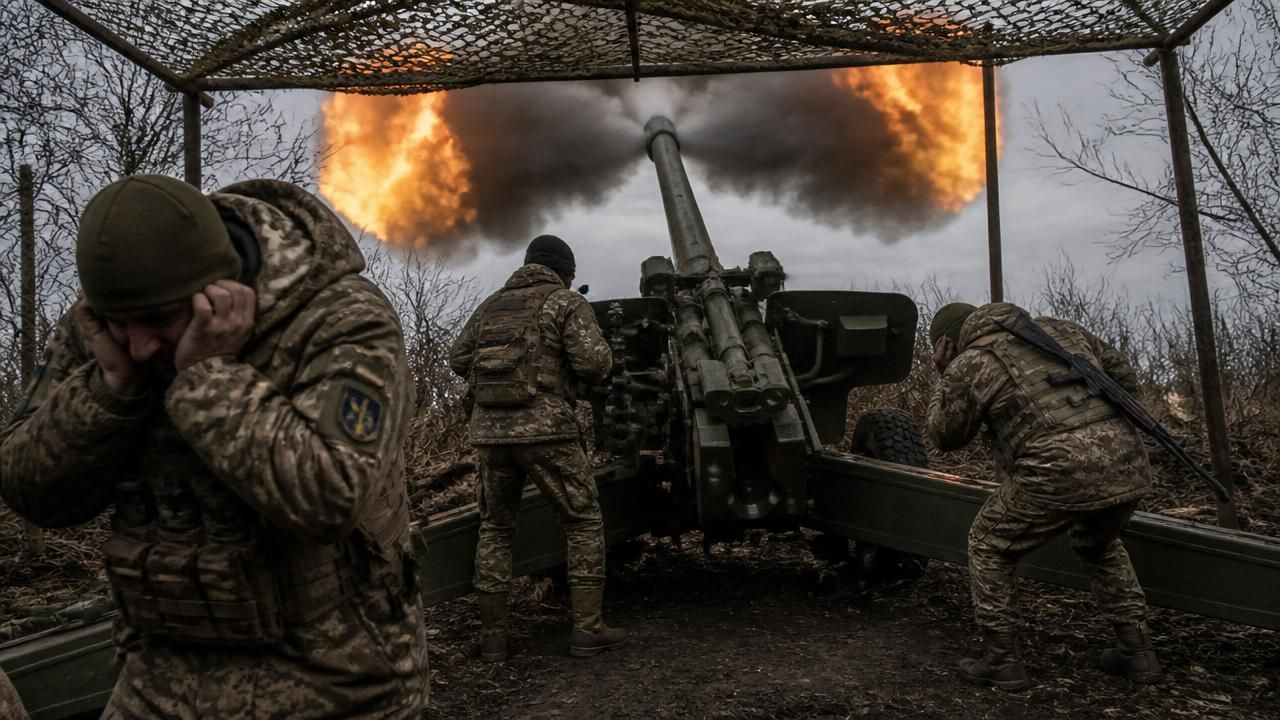
Despite the immense suffering, Ukraine has deliberately embraced an attrition-based strategy as a means of wearing down the Russian military. The Hill reports that Ukrainian commanders view the war as a numerical and logistical grind in which every Russian tank destroyed, every soldier killed, and every piece of equipment lost contributes to a cumulative collapse of Russia's capacity to fight.
This approach is built on the assumption that Russia's economy and political system are less resilient than Ukraine's, especially with the support of the international community. By forcing Russia into a long war, Ukraine aims to make the conflict so costly that even Putin's domestic support base turns against him.
The Economic Backbone
The attrition war is as much about economics as it is about shells and bullets. Russia's military budget has ballooned, but Western sanctions continue to bite, affecting everything from microchips to machinery. VEB.RF's warning reportedly focused on the risk of runaway inflation and a shrinking industrial base, which could cripple Russia's ability to produce new weapons within a matter of years.
In contrast, Ukraine's economy is being propped up by billions of dollars in Western aid, and its defense industry is increasingly integrated with NATO's production lines. This gives Kyiv the ability to sustain a prolonged conflict that Russia, for all its size, may not be able to match.
Framing the Story: Different Perspectives
The coverage of these developments reflects the political and strategic stakes involved. Western outlets like The Guardian focus on Europe's own shortcomings and the danger of a hybrid war, urging leaders to take tangible steps toward preparedness. Meanwhile, American voices on both the left and right—from The Hill to Fox News—highlight Ukraine's tactical approach and dismiss Russian propaganda about inevitable victory.
Even within Russia, there are glimmers of truth-telling that manage to leak out. The firing of the VEB.RF economist is a reminder that Moscow recognizes the seriousness of its predicament, even if it refuses to admit it publicly. The Kremlin's censorious response to such forecasts only amplifies the question of how long the Russian public will accept a war that the state itself knows it may lose.
Implications for the West and the World
The converging warnings from European defense planners and Russian economists point to a central paradox: while Russia may be losing the war of attrition on the ground, the West is not yet ready to leverage that advantage. If NATO is genuinely committed to Ukraine's victory, it must move beyond rhetorical support and address its own deficits in military production, public messaging, and strategic resilience.
For now, the war remains a brutal test of endurance. Ukraine has chosen attrition as its path to victory; Russia is trapped in that same logic. And Europe, the indispensable backer of Kyiv, must decide whether it is willing to endure the sacrifices that a prolonged war requires—or whether it will let the hybrid war, both from within and without, decide the outcome for it.