On a bright autumn morning in 1960, thousands of South Africans gathered in the township of Sharpeville to protest the oppressive pass laws that restricted the movement of Black, Indian, and Coloured citizens. The peaceful demonstration turned into one of the darkest days in the nation's history when police opened fire on the crowd, killing 69 people and wounding nearly 200 others. Now, more than six decades later, survivors of that massacre are seeking justice through a new class action lawsuit demanding compensation from the state.
The legal action, filed in a South African court, is part of a broader wave of litigation aimed at addressing the lingering wounds of apartheid. Abraham Mofokeng, who was 20 years old at the time and working as a factory worker, vividly remembers the day's tragic turn. “The weather was very nice, the sun was out. You could not have suspected that the day would go so horribly,” he recalled in an interview. Mofokeng is among the claimants who argue that the government has never adequately acknowledged its responsibility for the killings or compensated the victims and their families.
The Sharpeville Massacre: A Turning Point
The massacre occurred during a nationwide campaign organized by the Pan Africanist Congress (PAC), a breakaway group from the African National Congress (ANC). Protesters marched to the Sharpeville police station without their pass books, deliberately courting arrest as an act of defiance. The apartheid government responded with lethal force. The event drew international condemnation, isolated the regime, and galvanized the anti-apartheid movement both within South Africa and abroad. It also became a symbol of the brutality of racial segregation and the lengths to which the state would go to maintain control.
In the years that followed, the Truth and Reconciliation Commission (TRC) documented the massacre and recommended reparations, but many survivors say the official response has been insufficient. “We continue to suffer,” says Thandi Mokoena, a survivor who lost her brother in the shooting. “We have waited our whole lives for the government to do the right thing. This lawsuit is not just about money; it is about recognition and dignity.”
Legal Proceedings and Claims
The class action lawsuit represents scores of survivors and families of those killed. It seeks financial compensation for physical injuries, psychological trauma, loss of income, and the lasting economic and social disadvantages inflicted by the apartheid regime. The claimants argue that the current South African government, as the successor to the apartheid state, bears legal liability for the unlawful actions of its predecessor. Similar claims have been pursued in recent years relating to other apartheid-era atrocities, including the 1976 Soweto uprising and the killing of anti-apartheid activists in the 1980s.
Legal experts say the case could set a significant precedent. “Apartheid-era litigation is complicated but not impossible,” says Professor Sarah Nkosi, a law professor at the University of the Witwatersrand. “The key question is whether the statute of limitations applies, and whether the state can be held liable for actions taken under a previous legal framework. Survivors have long argued that the harm is ongoing, which may allow the courts to hear the case.”
The government has yet to file a formal response, but officials have historically maintained that reparations were addressed through the TRC process and the subsequent granting of compensation to apartheid victims. However, many survivors argue that the amounts paid were far too small and did not reflect the scale of the injustice.
Victims' Voices and Broader Context
The Sharpeville massacre holds a unique place in South African history. 21 March is now commemorated as Human Rights Day, a public holiday honoring those who died. The event also catalyzed international sanctions against apartheid, which contributed to the eventual end of white minority rule in 1994. Yet the legacy of Sharpeville remains a source of pain for the families and communities directly affected.
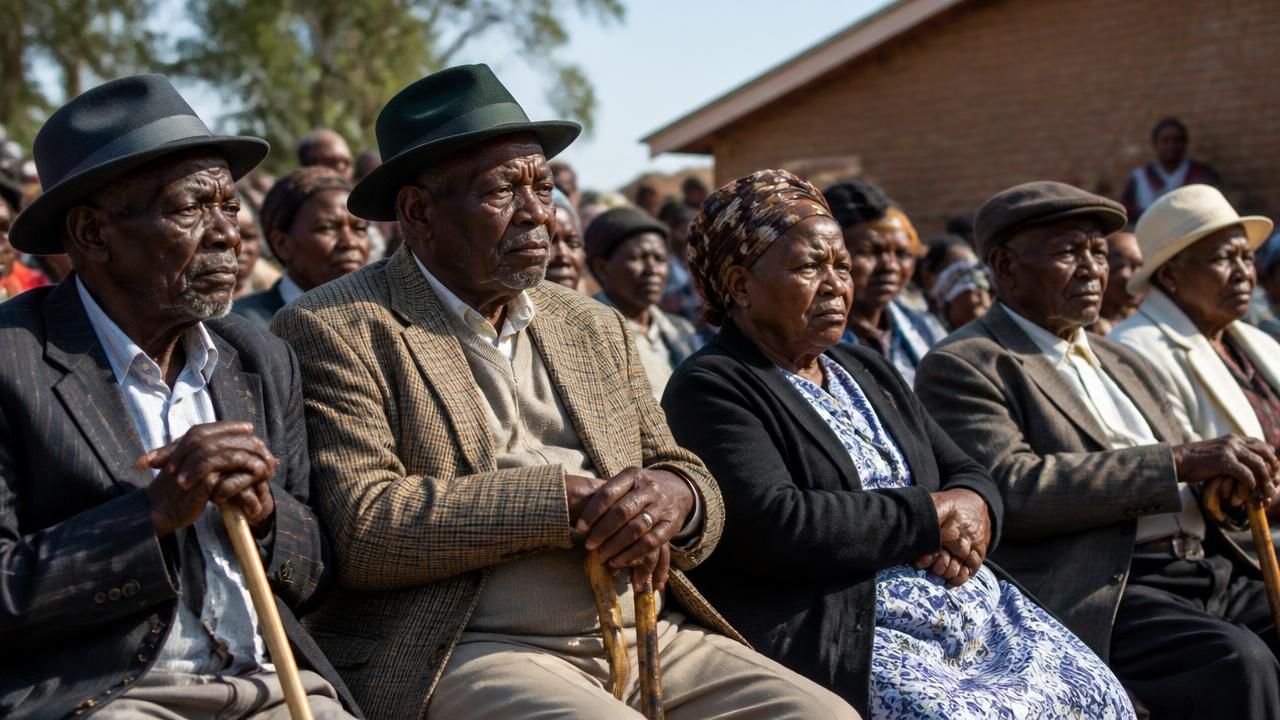
Mofokeng, now in his 80s, says the legal action is a last chance for justice. “We are old now. Many of us have died waiting. This is not about revenge. It is about our government, the government we fought for, finally recognizing the harm done and making amends.” The case has drawn support from human rights organizations and political leaders, who view it as an essential step toward genuine reconciliation.
“We continue to suffer. We have waited our whole lives for the government to do the right thing.”
Different Perspectives and the Road Ahead
News coverage of the lawsuit highlights divergent framings. Some outlets emphasize the legal strategy and the challenge of holding the state accountable decades after the event. Others focus on the emotional and moral dimensions, portraying the survivors as elderly individuals seeking closure in their final years. The government's perspective is likely to center on the argument that past compensation programs and the constitutionality of such claims preclude a new lawsuit. But for the claimants, the case is about more than legal theory.
The court will decide whether the suit can proceed, and if it does, it could open the door for hundreds of other apartheid-era claims. Legal observers say the outcome may depend on whether judges accept the argument that apartheid-era harm constitutes a continuing violation, which would circumvent time-bar restrictions. A ruling in favor of the survivors would be a landmark judgment, imposing a direct financial liability on the state for crimes committed under the apartheid regime.
Historical Significance
Sharpeville was not an isolated incident; it was a grim illustration of the systematic violence used to enforce racial segregation. The pass laws, requiring non-white South Africans to carry documents detailing their residential and employment status, were among the most hated instruments of apartheid. The protests of 21 March 1960 were a direct response to these laws, and the massacre that followed transformed Sharpeville into a symbol of resistance.
The current lawsuit is also a reminder that transitional justice processes, such as the TRC, did not fully resolve the material needs of apartheid victims. While truth-telling was essential to healing, survivors argue that without adequate reparations, reconciliation remains incomplete. This new legal effort is a testament to their enduring determination to be heard.
As the case moves through the courts, it will be watched closely by historians, legal experts, and human rights advocates across the world. For the survivors and their families, it is a final opportunity to hold the state to account and achieve a measure of justice that has eluded them for over 60 years. The outcome will not undo the past, but it may offer some semblance of closure and serve as a powerful precedent for addressing historical injustices globally.