The world is facing a new energy shock as two major conflicts intertwine. Renewed US-Iran fighting and ongoing Ukrainian attacks on Russian refineries are squeezing global fuel supplies, driving diesel prices to multi-month highs and threatening the broader economic recovery. What began as separate regional crises has now merged into a single, compounding supply disruption that analysts warn could intensify as peak demand season arrives.
According to Bloomberg News, the threat of mines in the Strait of Hormuz continues to deter shipping traffic, while Ukraine's precision strikes on Russian processing plants are exacerbating an already tight diesel market. Bloomberg's Oil Products Reporter Will Kubzansky described the situation as a “distillates crisis heading into peak demand season,” highlighting the unique vulnerability of diesel and other middle distillates to supply disruptions.
The Distillates Crisis
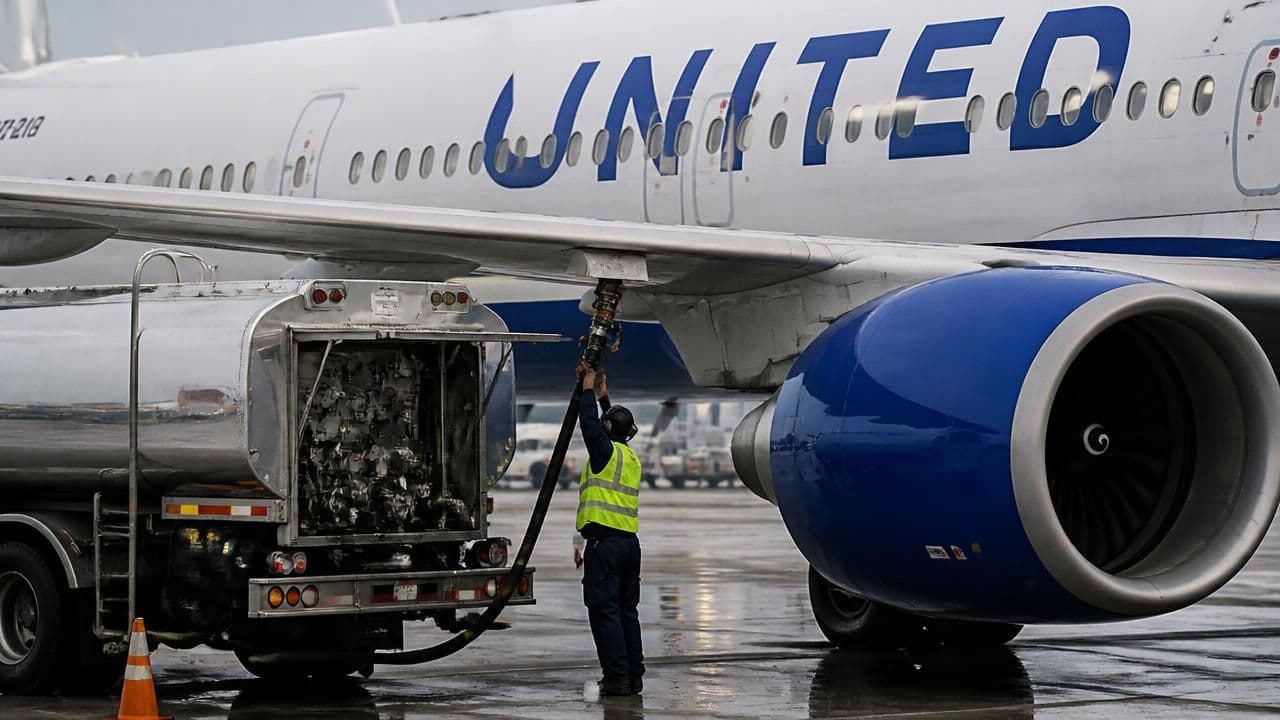
Diesel, heating oil, and jet fuel are derived from the middle distillates stream, which has been under mounting pressure. The US benchmark for diesel reached its highest level since April, according to Yahoo Finance, as wars in both Ukraine and Iran strain global supply. The United States, while a major oil producer, still relies on imports for certain refined products, and global diesel shortages quickly translate into higher prices at the pump for American consumers and businesses.
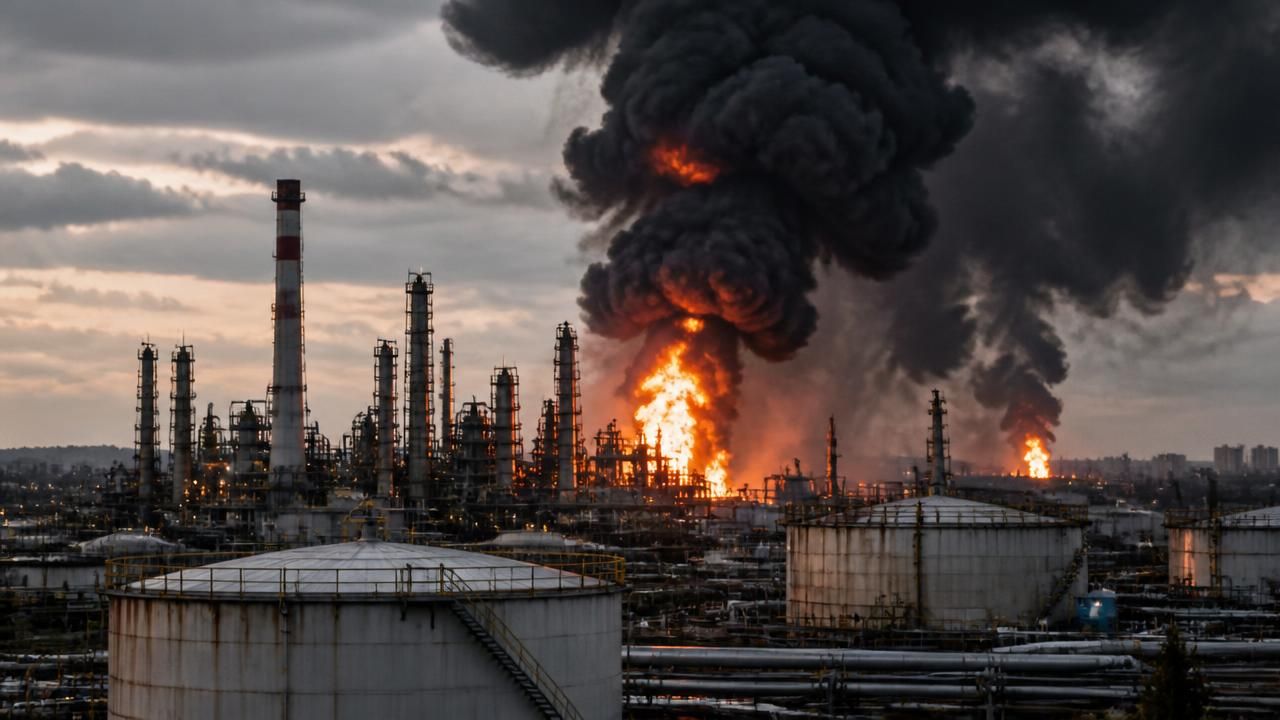
With the Northern Hemisphere entering peak summer driving and agricultural seasons, demand for diesel typically rises. Yet refineries in Russia—among the world's largest exporters of diesel—are being knocked offline by Ukrainian drone attacks, some of which have targeted primary processing units and export terminals. Meanwhile, in the Middle East, US-Iran clashes have raised the specter of a full closure of the Strait of Hormuz, a chokepoint through which about 20% of global oil and significant diesel volumes transit.
“We are looking at a perfect storm for distillates,” said Will Kubzansky of Bloomberg News. “Refining margins are elevated, inventories are low, and any further disruption could send prices spiraling.”
Two Wars, One Shock
The interconnection between the two conflicts was underscored by an unusual incident reported by OilPrice.com: Ukraine's attack on an Iranian cargo ship. This strike, likely intended to disrupt Iranian arms transfers to Russia, physically linked the two war theaters in the energy market. It also demonstrated how a single ship can become a symbol of the broader convergence of supply risks.
As National Interest notes, the Iran and Ukraine wars have effectively become one energy shock because both are centered on major oil-producing or transit regions. Russian refineries feed global diesel markets, while the Persian Gulf is critical for crude and refined products heading to Asia and beyond. The interplay means that a de-escalation in one theater could be offset by escalation in the other, making any recovery highly fragile.
Market Winners and Losers
The energy shock has created clear winners and losers, as outlined by MSN's analysis of the US-Israel war on Iran. On the winning side are commodity traders and major energy companies. Glencore, one of the world's largest commodity traders, reported a $3.3 billion trading profit in its latest quarter, according to OilPrice.com, as volatility generated enormous opportunities in crude and refined product markets. Investors who bet early on oil price spikes have also scored significant gains, but as CNBC notes, staying long on that trade is getting trickier as prices have already adjusted and geopolitical risk premiums are exceedingly elevated.
On the losing side are consumers and manufacturing-dependent economies. US gas and diesel prices have climbed, squeezing household budgets and adding to inflationary pressures. The CNBC analysis points to the energy shock as a headwind for the US economy just as the Federal Reserve attempts a soft landing. In emerging markets, the pain is even sharper, as many are net importers of fuels and lack the fiscal firepower to subsidize their populations.
Who Benefits?
- Commodity traders and hedge funds capitalizing on volatility
- Oil-exporting nations outside the conflict zones, such as Saudi Arabia and Iraq
- Refiners with access to non-disrupted crude feedstocks
Who Loses?
- Consumers facing higher fuel and heating costs
- Diesel-dependent industries like trucking, agriculture, and aviation
- Central banks battling persistent inflation
Markets Defy Fears—For Now
A striking aspect of this crisis is the market's relative resilience. According to The New York Times, after six months of the Iran war, markets have defied worst fears, with equities not collapsing and oil prices not reaching the catastrophic levels some predicted. This has led some analysts to argue that the global economy has adapted to supply shocks better than in past decades, thanks to strategic reserves, diversified sourcing, and demand elasticity.
However, Reuters cautions that the energy crisis is “just getting started.” The evacuation of commercial shipping from the Strait of Hormuz, the ongoing depletion of OECD commercial inventories, and the approaching winter (when heating oil demand in Europe and Asia peaks) could all trigger a second, more severe wave. The NYT piece notes that efforts to make war more precise using technology have not prevented this outcome: drones and smart bombs have enabled attacks on critical infrastructure, but they have not created a more controlled or limited form of conflict. Instead, they have made energy infrastructure more vulnerable, as each strike compounds the other.
What's Next?
Looking ahead, the immediate focus is on the Strait of Hormuz and the possibility of new US strikes against Iranian nuclear or military sites. The Biden administration has signaled a desire to avoid a wider war, but incidents such as mine attacks on tankers could force a response. In Ukraine, spring and summer campaigns typically bring intensified drone operations against Russian refineries, and Kyiv has shown no intention of halting those strikes.
The convergence of these two wars means that even a ceasefire in one theater would leave global energy markets still under severe strain. For consumers and policymakers, the lesson is uncomfortable: energy security is no longer a function of production alone, but of the resilience of refineries, shipping lanes, and the global trading system. As Bloomberg Weekend noted, the only certainty is that volatility will persist—and that the world remains one stray missile away from a deeper crisis.