The US Open has long been a stage for athletic excellence, but increasingly it is also a runway. This year, as the world's top tennis players compete in New York, their on-court attire is generating as much buzz as their forehands. From Naomi Osaka's bow-adorned "Lolita goth" ensemble to sleek, avant-garde designs from major sportswear brands, the fashion statements at Flushing Meadows are not just personal expression—they are powerful drivers of consumer retail behavior.
Naomi Osaka's Bold Style Statement
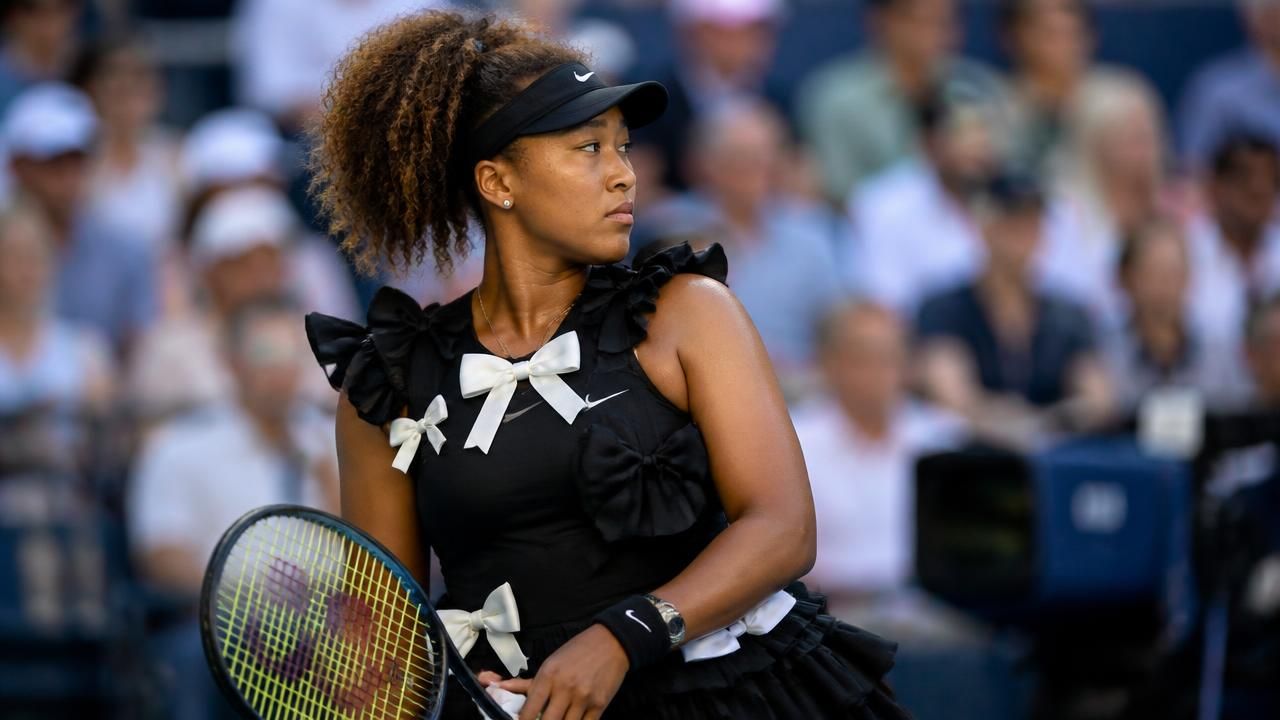
Naomi Osaka, a four-time Grand Slam champion and fashion icon, arrived at the U.S. Open covered in bows, a look she described as "Lolita goth" with elements of "coquette" style. The outfit, created by Nike in collaboration with designer Yoon Ahn, has captured widespread attention on social media and in fashion circles. The New York Times, in a feature shared widely on Facebook, detailed how Osaka's ensemble blends Japanese street culture with high-fashion whimsy, making a deliberate statement about individuality and cultural fusion.
Osaka's fashion choices are not new—she has previously used her platform to highlight social issues and celebrate her Haitian-Japanese heritage. But this year's look has resonated particularly strongly, sparking conversations about the intersection of sports and style. As one social media post noted, "When Naomi Osaka walks onto the court for the U.S. Open in New York, this week, she will be covered in bows." The post, which linked to a New York Times feature, underscored how her outfit has become a talking point far beyond the tennis community.
From Court to Consumer: The Retail Ripple Effect
The impact of such high-profile fashion moments extends well beyond the tennis court. According to Dana Telsey, CEO and chief research officer at Telsey Advisory Group, a leading retail research firm, the styles worn by players at the US Open directly influence consumer purchasing decisions. In an interview on Bloomberg Television's "Bloomberg Money" with hosts Scarlet Fu and Tom Keene, Telsey explained that the visibility of these athletes creates a "halo effect" for brands, translating into immediate demand for similar products—from tennis whites to statement accessories.
"When you see a player like Naomi Osaka wearing a unique, designer-driven outfit, it captures the imagination of consumers," Telsey said. "People want to emulate that look, and retailers respond by stocking items that echo these styles, whether it's bows, bold colors, or cutting-edge silhouettes." Telsey's insights underscore a broader trend: sports events are increasingly serving as launchpads for fashion trends, with athletes acting as influencers who bridge the gap between elite performance and everyday wear.
The Broader Retail Landscape
Telsey's commentary comes at a time when the retail industry is undergoing significant transformation. A recent report from WWD (Women's Wear Daily) highlighted that larger retailers are launching their own beauty brands, while the luxury fashion market gap widens. The report, which looked ahead to 2026 fashion and beauty trends, identified artificial intelligence, luxury market segmentation, and wellness as key drivers of retail innovation. These trends are converging with sports fashion, as brands leverage data and AI to predict which on-court styles will resonate with consumers.
Moreover, the e-commerce boom has accelerated the speed at which tennis-inspired fashion reaches the mass market. A dropshipping market report from Grand View Research projects substantial growth in the years ahead, as online retailers enable consumers to quickly purchase looks seen on their favorite athletes. This direct-to-consumer model allows even niche styles—like Osaka's bow-covered ensemble—to find a global audience within days of a tournament appearance.
Multiple Perspectives on a Single Story
The story of US Open fashion and its retail impact has been covered from multiple angles. Bloomberg focused on the financial implications, featuring Telsey's expert analysis. WWD connected the phenomenon to broader shifts in the fashion and beauty industries, noting how major brands are restructuring their strategies to capture the attention of trend-conscious shoppers. Meanwhile, social media platforms like Facebook amplified the cultural significance of Osaka's look, with fans and fashion enthusiasts debating its meaning and influence.
This multi-faceted coverage illustrates that tennis fashion is no longer a niche topic. It is a lens through which to examine consumer behavior, brand strategy, and the evolving relationship between sports and popular culture. As the US Open progresses, all eyes will be on the players—not just for their athletic feats, but for the next memorable outfit that could spark a global trend.
Implications for Brands and Athletes
For brands, the US Open represents a high-stakes opportunity to align with athletes who embody both performance and personality. Nike's collaboration with Yoon Ahn for Osaka's outfit is a prime example of how sportswear companies are investing in designer partnerships to create distinctive, limited-edition looks that generate buzz and drive sales. Similarly, other players are working with stylists and designers to craft personal brands that extend their marketability beyond the court.
For athletes, fashion has become an essential component of their public image. It allows them to express their identities, connect with fans, and secure lucrative endorsement deals. As Telsey noted, "The modern athlete is a brand ambassador in every sense." The retail impact of these fashion statements is measurable, and it will likely grow as social media and e-commerce continue to blur the lines between sports, entertainment, and shopping.
Looking Ahead
As the tournament progresses, the fashion narrative will evolve alongside the sports drama. Will Osaka's bows inspire a new trend in athleisure? Will other players counter with their own bold choices? Retailers and analysts will be watching closely, ready to translate the next viral moment into commerce. What is clear is that the US Open has become a dual-stage: one for athletic achievement and another for the business of style.
In the words of Telsey, "Fashion is a form of communication, and at the US Open, the players are telling the world who they are. Consumers are listening—and buying."