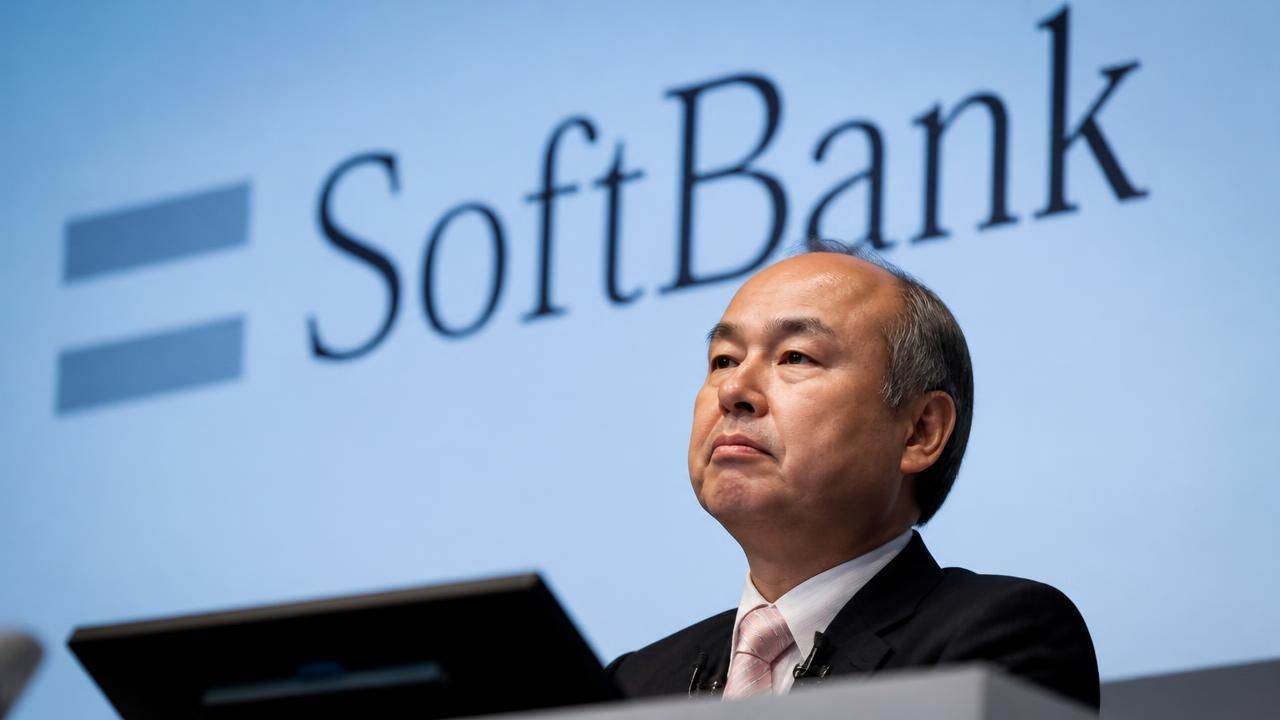
SoftBank Group Corp. is discovering that conviction in artificial intelligence carries a price — and the bond market is now setting it. The Japanese technology conglomerate's credit-default swaps, the insurance-like contracts investors use to hedge against a borrower failing to pay, have climbed to their highest level in nearly four years, according to Bloomberg Markets, as concerns mount over the scale of the group's AI-related funding commitments and the possibility of yet another mega-acquisition.
The move in the CDS market — reported variously as a three-year and near-four-year high across outlets — marks a notable shift in sentiment toward a company that spent much of the past two years being rewarded for leaning aggressively into the AI trade. Now, the same exposure that lifted SoftBank's shares is being repriced in its debt.
The Financing Push Behind the Anxiety
The proximate cause of the strain is a wave of borrowing. SoftBank has lined up roughly $11 billion in junk-rated bonds — described by Yahoo Finance as a record debt deal for the Tokyo-listed group (TSE:9984) — alongside an approximately $11.87 billion loan tied to its OpenAI bet, according to Seeking Alpha. Aggregated, MSN reported that SoftBank has added about $21 billion to its "AI firepower" through new debt arrangements.
The structure matters. SoftBank is effectively converting balance-sheet capacity into equity stakes in frontier AI companies, a strategy that worked spectacularly during the 2020 technology rally but which leaves little margin for error if valuations cool or timelines slip. NAI500 framed the tension bluntly in its headline: SoftBank's $11 billion junk debt is a live test of AI's cost of capital.
An OpenAI Bet With a Moving Timeline
At the center of the story is OpenAI, the ChatGPT developer in which SoftBank has become one of the largest outside backers. Ad-hoc News reported that SoftBank's AI ambitions have run into a double snag: a delay to OpenAI's anticipated IPO and a record short squeeze in SoftBank's own shares.
The IPO delay matters for more than optics. A listing would provide a public valuation benchmark for SoftBank's stake, giving credit investors a clearer view of the collateral behind the borrowing. Without it, the market is left to price a private, illiquid asset — precisely the scenario in which credit spreads widen.
"SoftBank's AI ambitions face a financing reality check," read the framing from one European market commentary, as the group's shares slid.
Two Markets, Two Verdicts
The most striking feature of the episode is the divergence between how equity and credit investors are treating the same set of facts.
- Credit markets are turning cautious. The widening in CDS implies investors want more compensation to hold SoftBank risk, with Bloomberg noting that OpenAI-related risks "stay in focus."
- Equity investors have been buying. Invezz asked directly why investors were returning to SoftBank stock despite growing AI exposure — a reminder that shareholders see upside from AI stakes while bondholders see only contractual cash flows and asset coverage.
- Short sellers are under pressure. Reports of a record short squeeze suggest bearish positioning in the stock had become crowded, forcing covers that may have amplified upside moves.
This split is not unusual during capital-intensive buildouts, but it is uncomfortable for a company whose funding model depends on persuading lenders to finance speculative assets. Equity rallies can coexist with widening credit spreads only so long before one market has to concede.
Why It Matters Beyond SoftBank
SoftBank has long functioned as a bellwether for risk appetite in technology. Its Vision Fund defined the 2019–2021 boom, its retrenchment foreshadowed the 2022 downturn, and its pivot toward AI infrastructure and model developers has been read as a signal of where institutional capital believes the next cycle will be built.
If lenders begin demanding materially higher rates to finance that buildout, the constraint propagates. AI development is unusually capital-hungry — data centers, chips, and equity stakes in labs that burn cash for years — and much of it is being financed with debt rather than retained earnings. A repricing of AI-linked credit risk would ripple through hyperscalers' suppliers, private credit funds, and other conglomerates pursuing similar strategies.
The historical parallel SoftBank would prefer investors forget is WeWork; the one it would like them to remember is the post-2022 recovery, when the group sold down assets and rebuilt credibility. The current balance sheet is stronger than in 2020, but the commitments are larger.
What to Watch
Three indicators will determine whether this is a passing tremor or a genuine inflection.
- Spread direction. Whether CDS levels stabilize near current highs or continue widening will signal whether lenders view the $11 billion junk bond as a one-off or the start of a leverage cycle.
- The OpenAI timetable. Any firm signal on an IPO — or further delay — directly affects the perceived quality of SoftBank's largest AI holding.
- Deal discipline. Continued chatter about a large acquisition cuts both ways: it could add strategic value, or it could add debt at precisely the wrong moment in the credit cycle.
For now, SoftBank sits at the intersection of two narratives: the AI boom that has made it a favored vehicle for retail and institutional optimism, and the financing costs that booms inevitably generate. As one market commentary put it, the company now faces a financing reality check — and the bond market, unlike the stock market, is not currently in a forgiving mood.